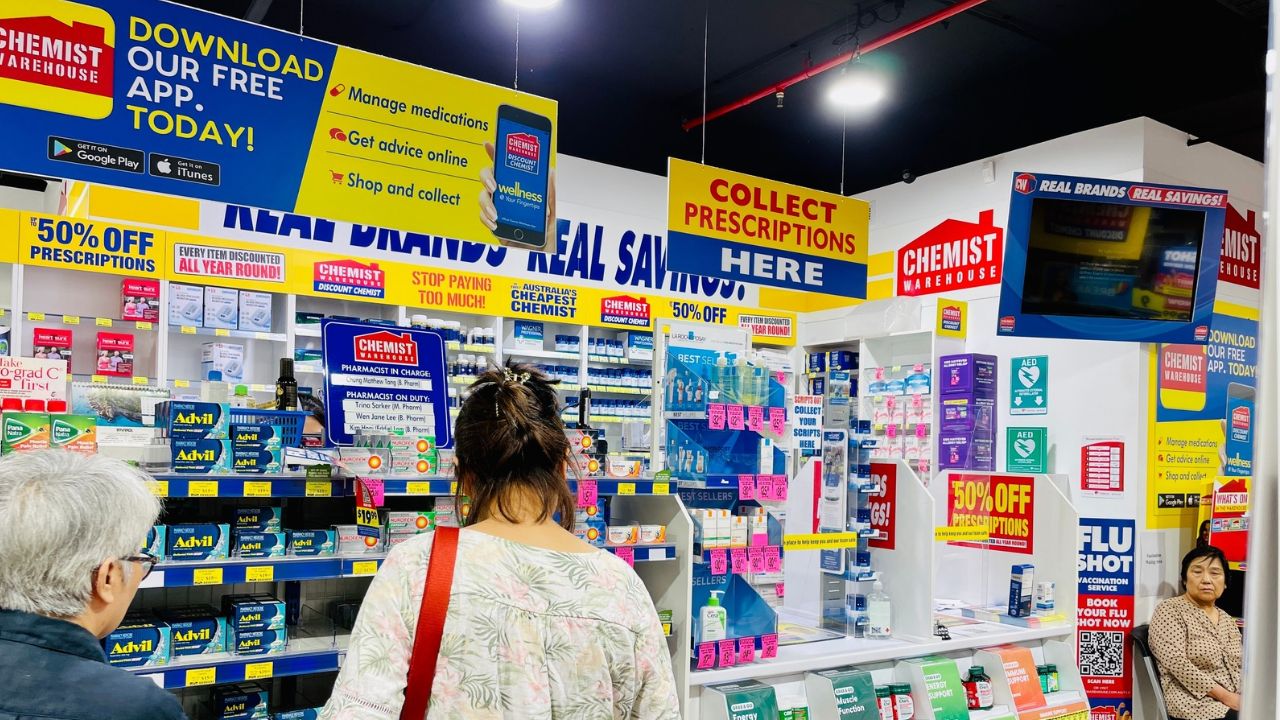
Prime Minister Anthony Albanese has announced a freeze on the cost of Pharmaceutical Benefits Scheme (PBS) prescriptions for general patients, keeping the maximum co-payment at $25 until the end of 2030.
The measure means patients will avoid increases linked to inflation, with the government saying the cost of a prescription would have risen to more than $50 otherwise.
“The last time a script cost $25 was way back in 2004,” Health Minister Mark Butler said.
The announcement extends an existing freeze for concession card holders, who currently pay $7.70 per prescription.
The government estimates the measure will cost $242 million over three years. It has promised to announce offsetting savings in its Mid-Year Economic and Fiscal Outlook in December.
“Our government is focused on delivering cost of living relief that helps Australians,” Albanese said.
“Making sure that any measures that we do are consistent with putting that downward pressure on inflation by reducing costs.
“That is why today we will introduce legislation to extend the freeze on the cost of PBS medicines at just $25 until the end of the decade.
“This helps Australians now with the cost of medicines, but it helps to keep our nation healthier as well.”
Albanese said pharmacists had raised concerns about customers who could not afford all their prescribed medicines and were having to choose which scripts to fill.
“That is not good for a healthy society, and it’s not good for fairness either,” he said.
The freeze builds on other changes to the PBS, including the introduction of 60-day prescriptions and the addition of new medicines to the scheme.
The government says its cheaper medicines measures have already saved Australians $3.3 billion in out-of-pocket pharmacy costs.
Many of the changes have focused on pensioners and concession card holders, who tend to use more prescription medicines.
Butler said a reduction in the PBS safety net threshold had also resulted in more than 100 million additional free prescriptions for pensioners.
“We were determined to get that medicine price down, just as we were determined to give them access for the first time to bulk billing support,” he said.
“These are essential items of expenditure for households.
“So this is a really important measure. It’s going to help with the hip pocket, but it’s also going to help build a healthier Australia.”
Image: Gerry H / Shutterstock.com