More than 5.3 million Australians are set to receive extra money each fortnight when social security payments are indexed from September 20, with the federal government saying the changes will deliver an added $4 billion in support.
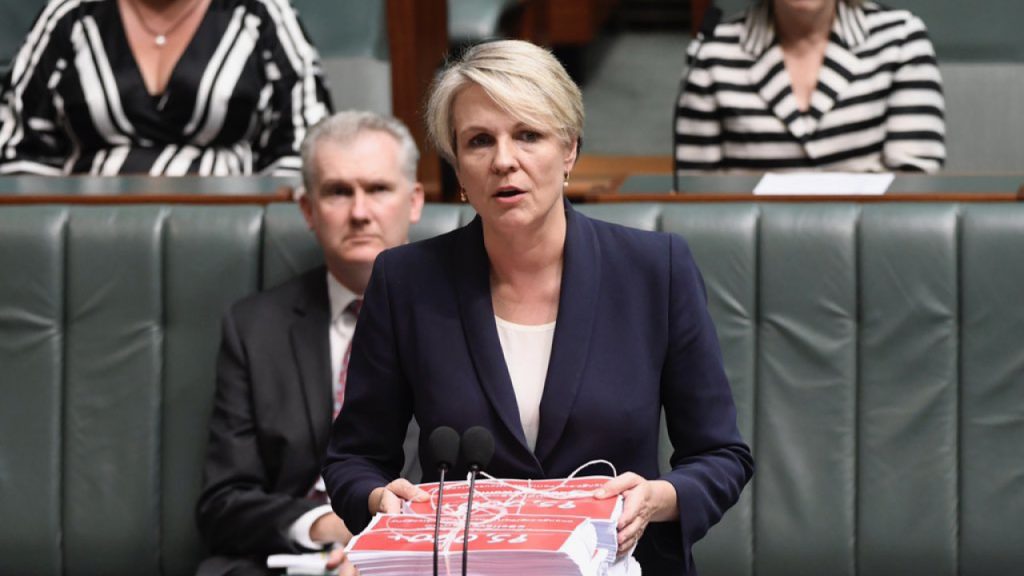
Social Services Minister Tanya Plibersek announced the indexation on Wednesday and said the increase would help people cover daily costs. “We’ll continue to make sure the system is there to support those who need it most, ensuring that everyone can make ends meet and no one gets left behind,” she said.
Under the changes, pensioners on the maximum rate will get more, with singles rising by $36.80 to $1237.70 a fortnight and couples increasing by $55.60 to $1866 per fortnight.
Jobseekers without children will receive an extra $16.20, taking their payment to $833.70 a fortnight. For parents, the maximum rate for singles will climb by $20.90 to $1087.20, while couples will get an extra $14.80 each, lifting their payment to $763 per fortnight.
Singles receiving youth allowance will also get a $20.90 increase, bringing their fortnightly payment to $1087.20.
Rent assistance is also going up. The maximum rate for singles will rise by $4.40 to $223.80, while couples will receive an extra $4.20, taking the rate to $211.
The deeming rate will increase as well, moving to 1.75 per cent for financial assets up to $66,800 for singles and $110,600 for couples. Any financial assets above those thresholds will be deemed at 3.75 per cent.
But the increase has drawn criticism from the Australian Council of Social Service, which says routine indexation does not go far enough. ACOSS chief executive Cassandra Goldie urged the federal government to provide a meaningful real lift in payments.
“While every extra dollar counts, routine indexation does not lift people out of poverty and deprivation,” she told nine.com.au.
Goldie said JobSeeker still remains too low to cover basic living costs. “JobSeeker remains stuck at 40 per cent of the minimum wage and is not enough to afford the things we all need – food, housing and other essentials.
“We know it’s tough going trying to survive on the minimum wage, yet people on JobSeeker are expected to survive on an income of less than half that.”
Anglicare’s 2026 Cost of Living Index report found that someone receiving JobSeeker falls behind by $502 a fortnight after paying rent, food and transport, while a single parent falls behind by $348 per fortnight.