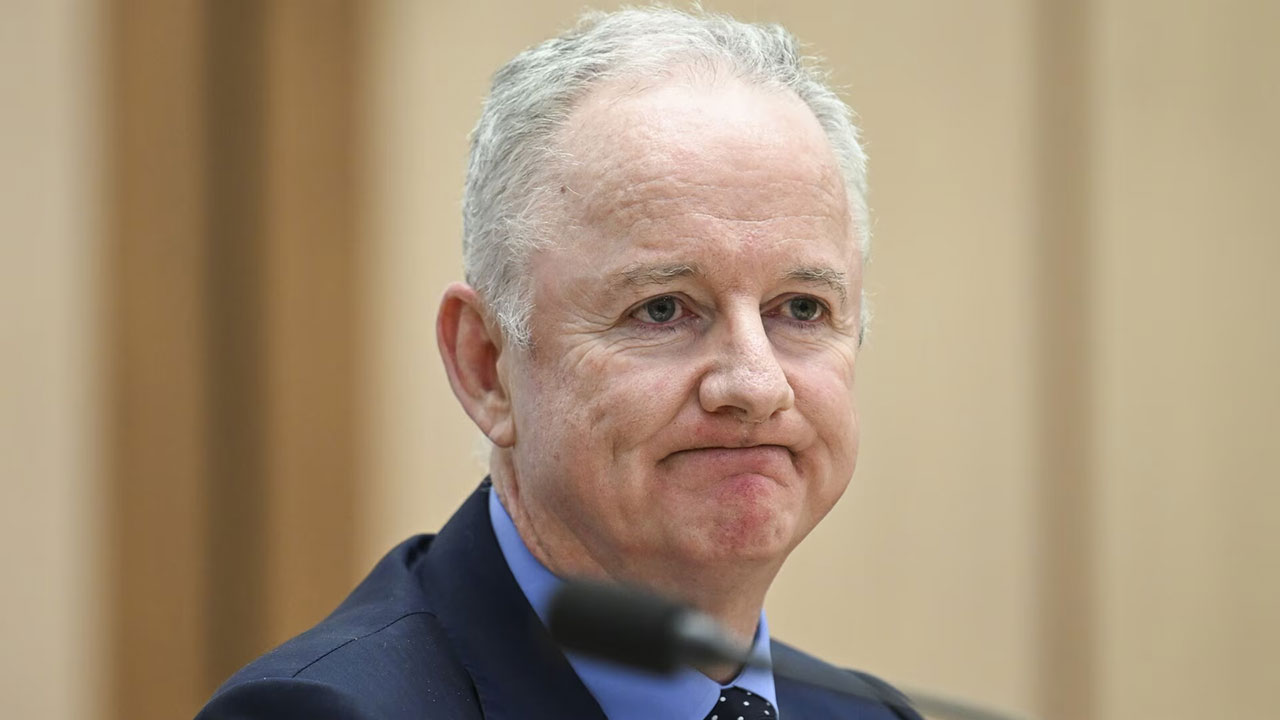
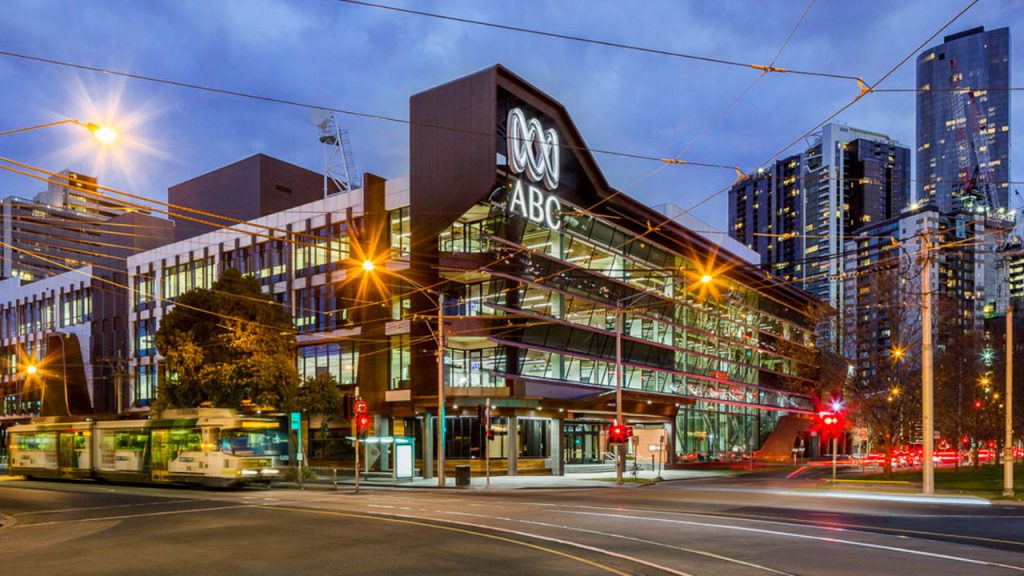
ABC managing director Hugh Marks has warned viewers that some long-running programs may be cut as the broadcaster tries to reshape itself for modern audiences while working within a flat budget.
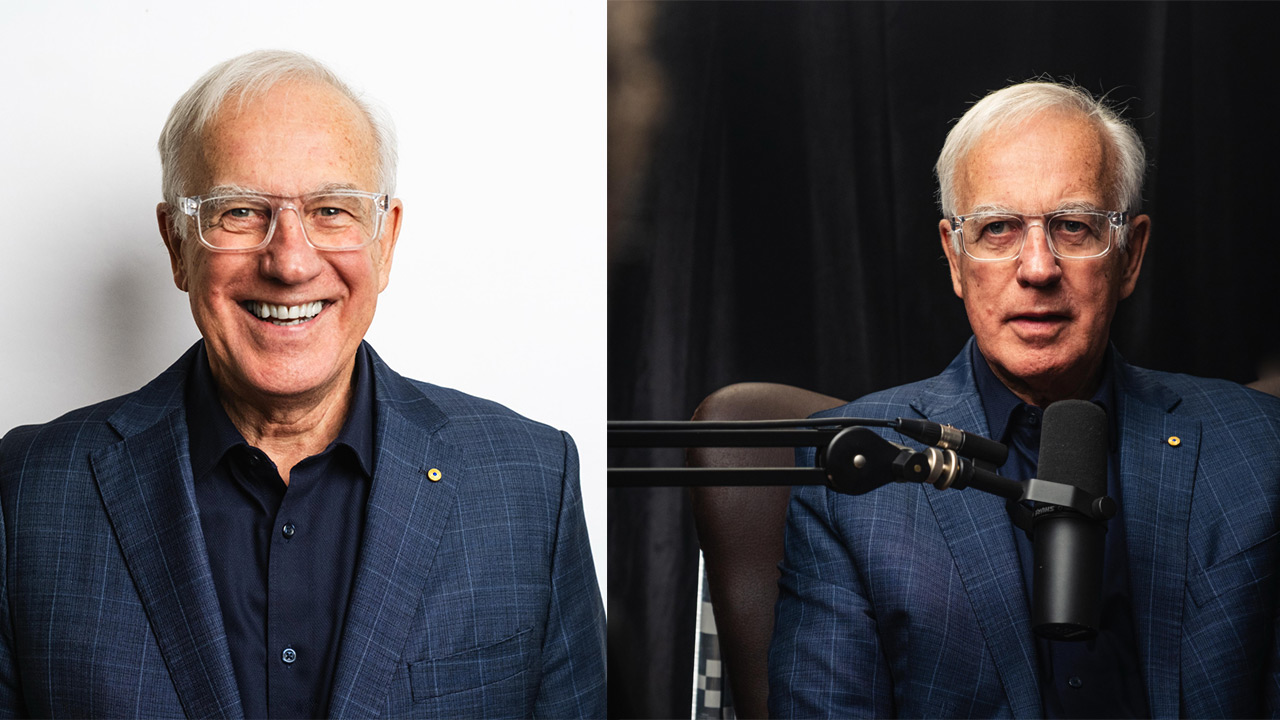
Marks, who replaced David Anderson in March last year, said the ABC had expanded far beyond its traditional radio and television base and was now also serving online news, social media and podcasting, without a matching increase in staff numbers.
“Often we just build extra platforms on top of what we already do and we don’t actually transition, we just add,” he told Alan Kohler on the ABC’s That’s Business podcast.
“And that creates an environment where our teams are stretched to do more because there are more platforms to occupy.”
He said one of the ABC’s biggest challenges was knowing when to stop older formats, even when they still have loyal supporters.
“I think the biggest challenge is the ABC has trouble stopping things,” he said.
“Why? Because generally when we stop things, there are some people still rusted on to that particular program or format.”
Marks made clear that change is coming.
“I would suspect, over the next year and a bit, you’ll see us start to lean into the future of the ABC rather than the past.”
While he did not name any specific show, he suggested some long-established programs may no longer fit the broadcaster’s long-term direction.
“I’ll give you an example: a legacy television show that has been around for 40 years,” he told the podcast.
“There’s still a lot of work that goes into it. All that work is valid and there’s a lot of people working hard to do it, but that particular show may not be the sort of content that we want for the future.
“I won’t give specific examples because then there’ll be teams that go, ‘What does that mean for me?’ But I think I’ve spoken about this challenge a lot and everybody agrees with me.”
He said the ultimate goal was to ensure the ABC remained relevant to Australians across the country.
“And that’s about talking to all Australians,” he said.
“We need to make sure that we’re delivering a service that people really value.
“Yes, emergency broadcasting is part of that, but a daily habit of engaging with the ABC needs to be a big part of that.”
His comments triggered speculation about which long-running ABC shows might be vulnerable. The ABC later sought to calm concerns, with ABC Director Screen Jennifer Collins saying Marks had not been referring to a single title.
“Hugh was not referring to one particular show,” Collins said.
“What Hugh was referring to was that we’re constantly reviewing our slate of content and making an assessment.”
Audience figures for several established ABC programs show mixed results. Compass, which has been on air for 38 years, has fallen 13 per cent in the first three months of 2026 compared with the same period in 2025, dropping from an average national audience of 262,700 to 228,700.
Media Watch, now hosted by Linton Besser, is also down 6 per cent year on year, slipping from 619,300 in 2025 to 581,900 in 2026. By contrast, Behind the News has risen sharply, lifting from 14,100 to 41,800, while Foreign Correspondent is up 15 per cent from 534,600 to 616,600.
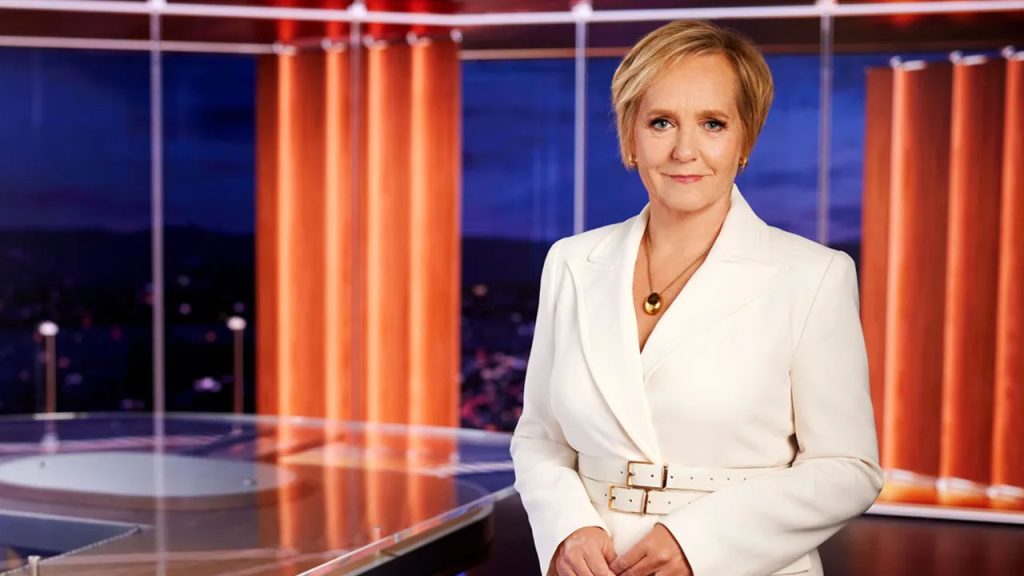
One program that stands out in the discussion is 7.30, the only ABC show currently on air that has been running for exactly 40 years. Rather than declining, its audience has increased 6 per cent year on year, climbing from 704,000 to 742,900.
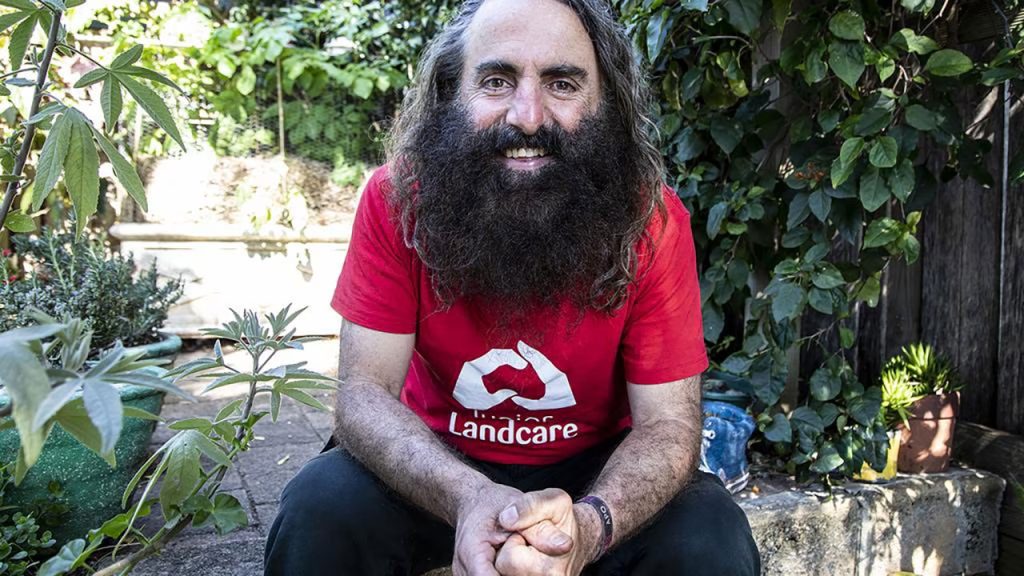
Gardening Australia, now in its 37th year, has also posted strong growth, up 18 per cent from 433,800 to 510,700 viewers. Rage recorded a 9 per cent rise, though its audience remains small, increasing from 32,700 to 35,600.
The ABC’s internal debate comes at a time of wider upheaval across the media industry. In another major development, veteran Seven executive Angus Ross has been appointed head of television at the recently merged Southern Cross Media/Seven, just two months after being made redundant from his previous role as group managing director of the television business. Ross had spent 27 years at Seven before his departure following the merger in January.
His return follows the appointment of Rohan Lund as chief executive four weeks ago, making him the third CEO to lead the company since January. The merger and restructuring had also led to a string of senior departures and prompted some observers to label the shake-up Seven’s “red wedding”.