Australian film fans have chosen The Castle as their favourite homegrown movie of all time, with the beloved Working Dog comedy topping a reader poll run by The Age and The Sydney Morning Herald.
Made in Melbourne and directed by Rob Sitch, the 1997 film’s win will surprise few. Nearly 30 years after it first appeared, its lines remain firmly embedded in everyday Australian conversation, from “Tell him he’s dreaming” and “How’s the serenity” to “It’s the vibe” and “You little ripper!”
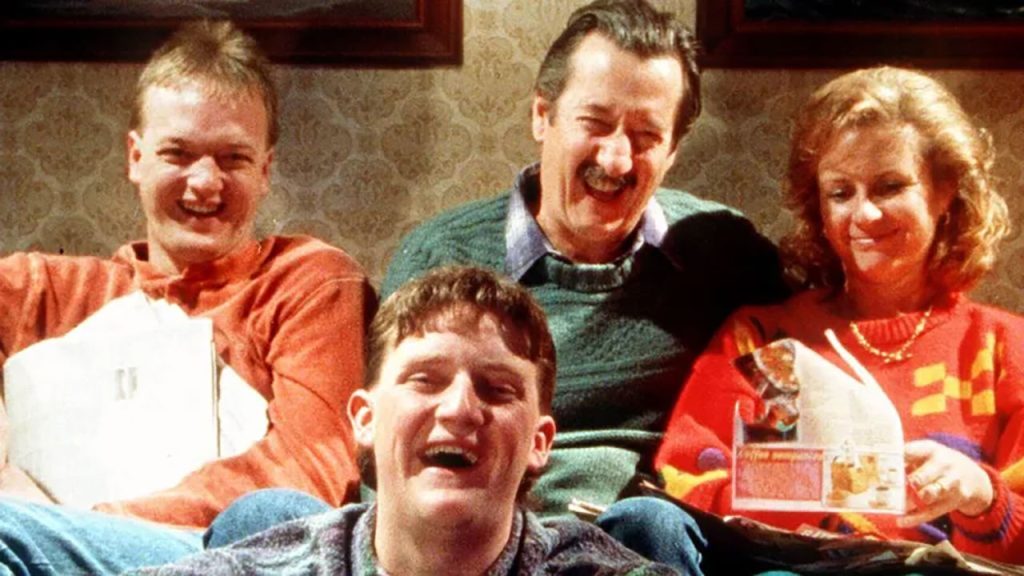
Its staying power goes beyond nostalgia. The Castle, which follows the Kerrigan family’s fight against a powerful consortium trying to “compulsory acquire” their home, still resonates because it captures a specific slice of Australian life while also speaking to something broader and more enduring.
The film doubles as a portrait of working-class Australia in the mid-1990s. Dinner is rissoles with steamed vegetables. The home is decorated with Copperart and Franklin Mint collectables. In the driveway sit a Camira, a Torana, a Commodore and a Cortina. It recalls a time when many Australians simply sat down at 7.30pm and watched whatever was on television.
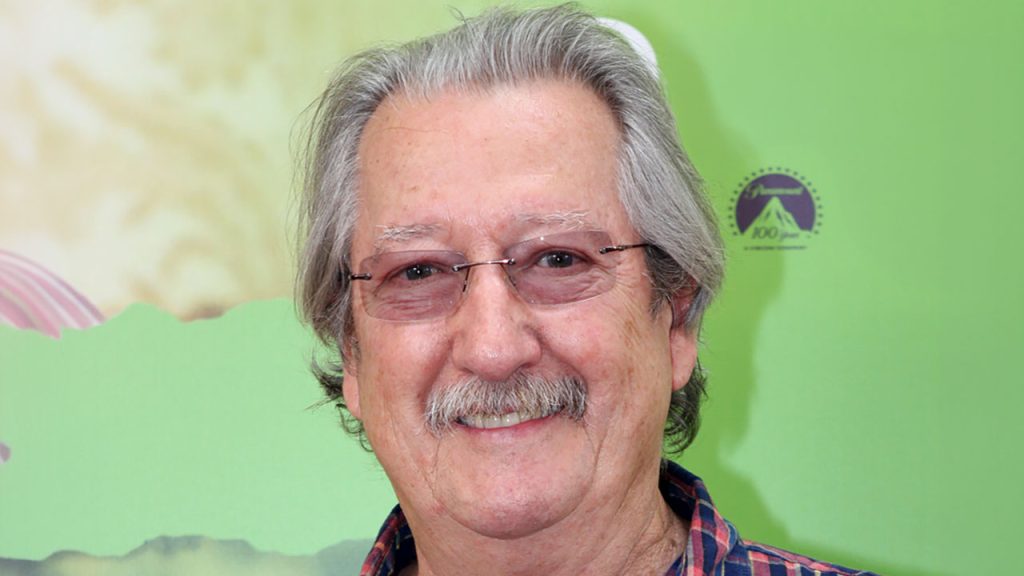
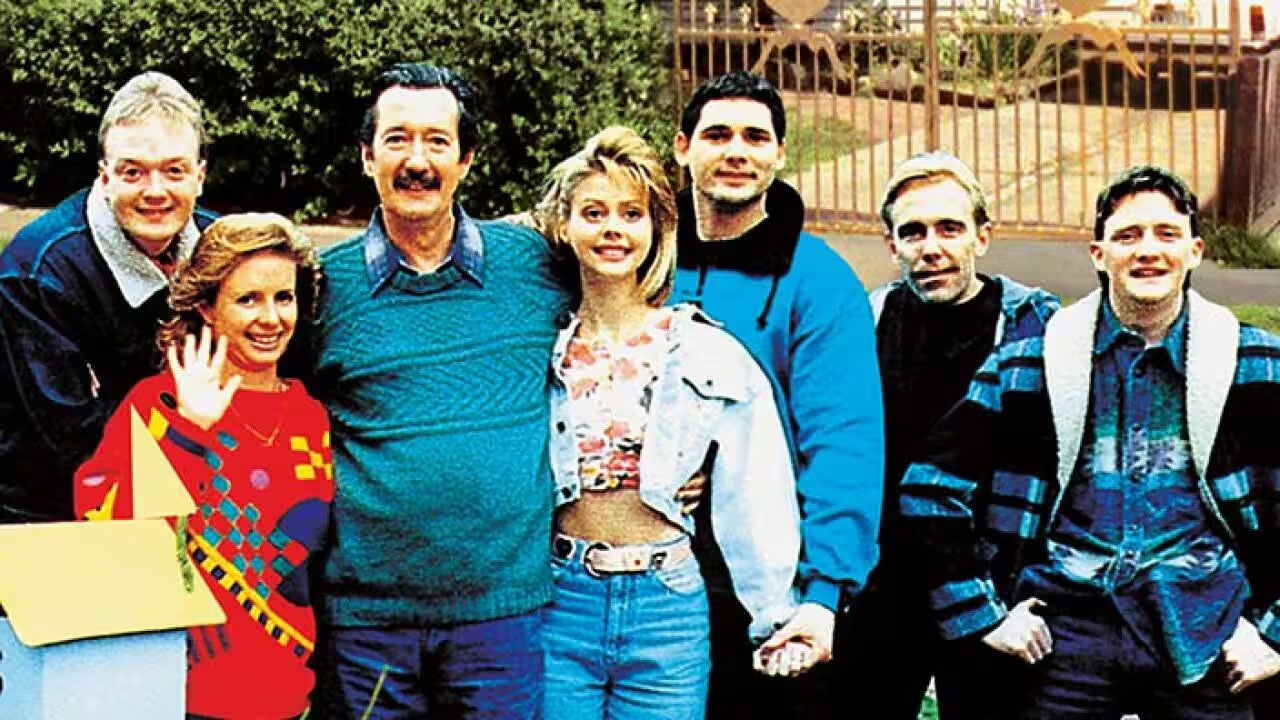
Darryl Kerrigan, played by Michael Caton, loves The Best of Hey Hey It’s Saturday. His wife Sal, played by Anne Tenney, enjoys floral windcheaters and craft projects around the house. Their daughter Tracey, played by Sophie Lee, once had her brush with fame as a contestant on The Price Is Right.
The comedy is packed with memorable visual moments, including Tracey and Con, played by Eric Bana, walking home from the airport after their honeymoon in Thailand, Darryl presenting a tray of overcooked steaks while asking “who ordered medium rare?”, and the family soaking up the “serenity” at Bonnie Doon while the mosquito zapper hums away.
The film’s place as Australia’s most loved movie emerged after The Age and The Herald released a list of the top 50 Australian films last week. The project, described as an immersive exploration of the nation’s screen history, had been in development for months under the guidance of Age Spectrum editor Lindy Percival and the visual stories team, and quickly became one of the most-read culture pieces of the year.
A panel of 24 experts ranked the films and placed Warwick Thornton’s acclaimed debut feature Samson & Delilah at number one. But in a separate readers’ vote, subscribers were able to give a thumbs up to as many titles as they liked, and The Castle emerged as the clear popular favourite.
More than 15,000 votes have been cast so far. The Castle has passed 2,000 votes, ahead of Gallipoli on 1,800, Muriel’s Wedding and Strictly Ballroom on 1,500 each, and another Working Dog production, The Dish, on 1,400.
While the film did well at the box office on release, its reputation was truly cemented through word of mouth, strong VHS rental numbers, DVD sales and frequent screenings on Channel Nine. It is now available to stream on Stan.
Its appeal among readers is partly tied to nostalgia and partly to its warmth, but those are not the only reasons it continues to connect. The story at its centre, of a hugely powerful force enriching itself while claiming the resulting social and economic damage is somehow for the common good, hardly feels outdated in 2026.
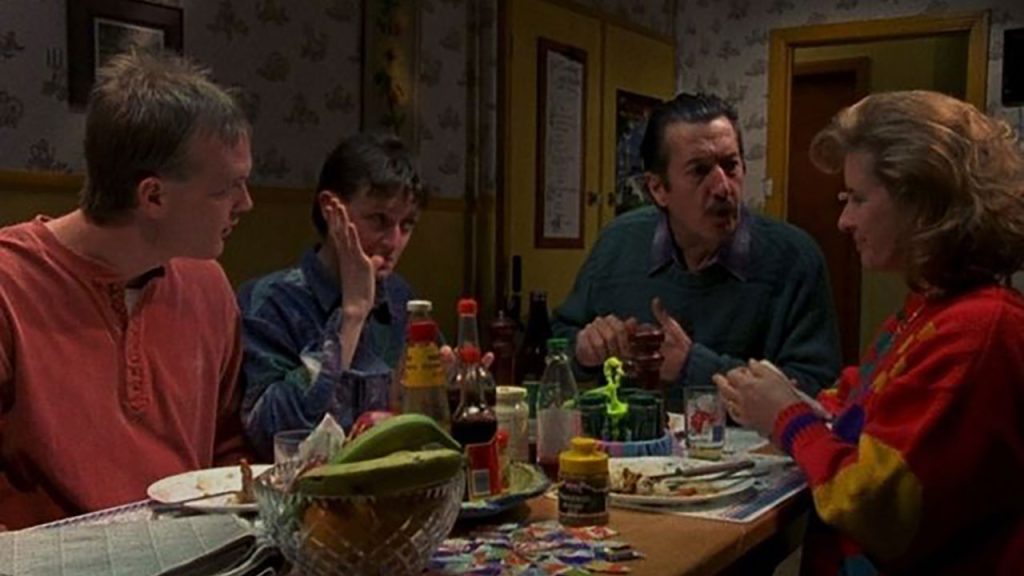
Still, the film was never designed as a heavy statement about inequality. Above all else, it was made to be funny. That may sound obvious for a comedy, but not everyone responded that way at the time. One critic argued that The Castle got its laughs “the wrong way: by making Darryl and his family into figures of fun”. Others claimed the filmmakers were mocking their own characters.
Those criticisms sit awkwardly with the film’s origins. The writers drew heavily from their own families and experiences. Suburban solicitor Dennis Denuto, played by Tiriel Mora, was based in part on Santo Cilauro’s father. Speaking on a panel in 2025, director Rob Sitch revealed that one of Darryl’s best-known lines came directly from his own father, who would praise his wife’s cooking by putting down his cutlery and asking, “Why would you go to a restaurant?”
The setting of the Kerrigans’ house also came from Sitch’s childhood memories. “My cousins lived near that airport [in the film] and we would run to the end of the runway every time we visited,” Sitch wrote in The Age and Herald. “I still remember thinking that it was the best place to live in the world. Imagine getting to watch jetliners land outside your bedroom window every day. Then I grew up and it became a funny anecdote.”
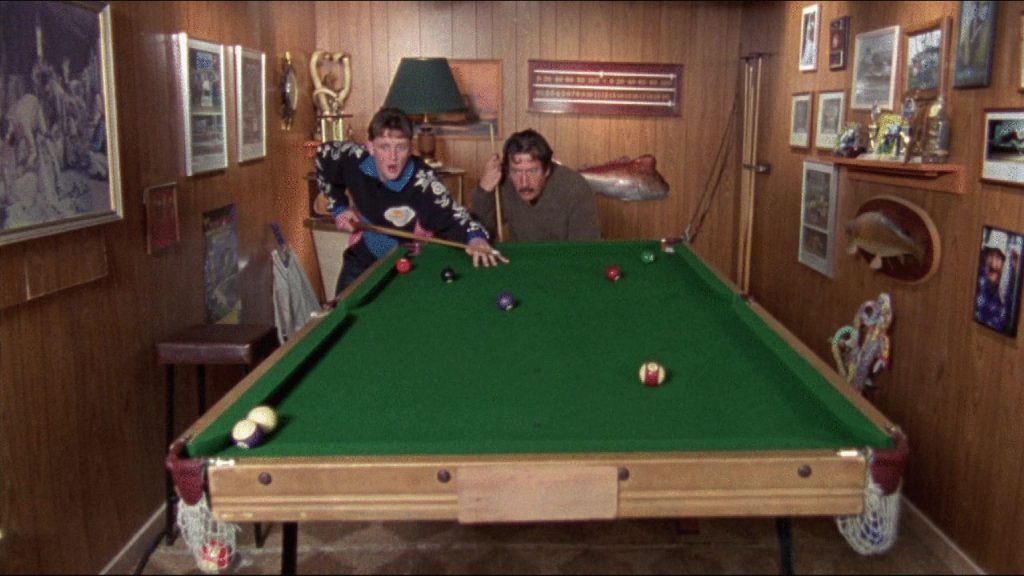
Cilauro later summed up the film’s straightforward charm by saying, “I like the fact that the film is simple: here it is, and there’s nothing more complicated than that. You either take it or you don’t take it.”
Tom Gleisner has also defended Working Dog’s approach, saying, “We [Working Dog] have set out to make broad, mainstream, enjoyable feel-good films, and that is so easily derided by people whose life’s work is about making dark, brooding, angst-ridden think-pieces.”
That helps explain why The Castle has lasted. Its satire is affectionate rather than cruel. It pokes fun without tearing people down. Nearly every character is drawn in broad strokes, from the smug corporate lawyers and the kindly QC Lawrence Hammill, played by Bud Tingwell, to neighbour Farouk, played by Costas Kilias, and Tracey’s Greek in-laws. Yet each of them reflects something recognisable and true, giving the film an emotional core beneath the jokes.
For many readers, the poll result says something encouraging. In a world that can feel increasingly stern and quick to judge, The Castle’s victory suggests plenty of Australians still hold onto one of the nation’s most admired qualities: the ability to laugh at ourselves.