At this time of year most gardens are on the cusp of going into their winter dormancy, or are at least having a well-earned slow down. Now is the time to get outdoors and make things neat and tidy.
Many of the simple tasks done in autumn prepare the yard for winter and set it up for a cracker of a spring. There is really only one rule of thumb when it comes to the garden at this time of year.
If a plant flowers in winter or early spring don’t prune, transplant or divide it in autumn.
The exception to this, of course, is roses.
1. Know the season
We think of spring as planting time but autumn is also the season to plant and transplant many species. Before winter sets in, bulbs need to go in the ground, as do edibles and bare-rooted roses and trees. Many perennials can also be lifted, divided and replanted.
Autumn is a good time for this as the soil is still warm, temperatures and evaporation are generally low and the days are still long enough for plants to develop new roots to see them through winter.
TIP: Species planted in autumn take off twice as fast when spring arrives.
2. Choosing cool bloomers
If there’s one group of shrubs that shine in the cooler months, it’s camellias. The three main types are sasanqua, japonica and reticulata, and they flower from as early as late summer right through to spring.
3. Pamper the lawn
Give the lawn TLC now to help it build resilience to the harsher conditions of winter and keep the grass looking better for longer.
Putting in a little effort in autumn will also provide the lawn with enough energy to keep in reserve for its spring surge of growth.
FEED the grass with a slow-release lawn fertiliser specially formulated for autumn and winter.
APPLY a hose-on soil stimulant to the lawn such as Seasol to increase biological activity in the soil.
TREAT the lawn for weeds, looking out for bindii and wintergrass. Remove by hand if possible, otherwise apply a selective lawn weeder.
If you have a buffalo type of grass such as Sir Walter or Palmetto, ensure you use a selective herbicide that is safe for the species.
RAKE the lawn to keep it free from fallen leaves, as even the slightest reduction in sunlight can reduce the ability of grass to photosynthesise
at this time of year.
MOW with the catcher if your lawn is prone to staying damp in the cooler months, as a build-up of organic matter in wintry conditions can lead to fungal problems.
Give plants a gentle feed to see them through the harsh winter months, to stimulate soil microbial activity and to allow plants to store away energy reserves for the coming spring.
At this time of year, the new generation of biofertilisers and pelletised or powdered organic derived fertilisers are the best option, supplemented with an application of a seaweed tonic.
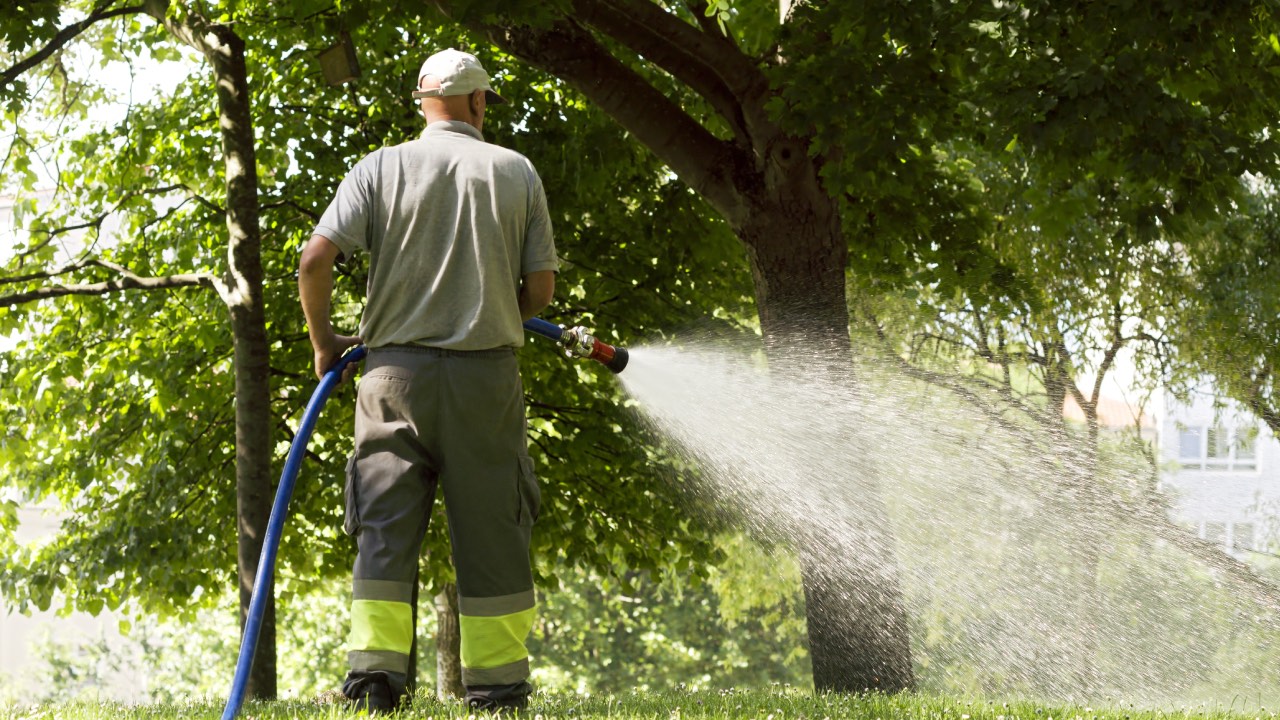
WATER the garden well before application or apply after an autumn rain shower.
SPREAD away from the trunk. The highest concentration of feeder roots is generally around and outside the drip-line of the canopy.
TIP: Water in dry products well to reduce the risk of scorching.
4. Plant and move
The right plants to get in the ground now include shrubs, both winter and spring flowering annuals, and edibles. But the varieties can vary dramatically with region so always check with your local garden centre.
Here are a few simple guidelines to follow to ensure success when planting or transplanting in autumn.
DIG the planting hole double the size and slightly deeper than the rootball.
Ensure the soil on the sides isn’t smooth and compressed. If it is, open it up with a fork or the roots will take much longer to colonise outside the planting hole.
WATER well before and after planting with a fertiliser that encourages root development or a seaweed tonic such as Seasol.
This helps reduce transplant shock and speeds up establishment.
BLEND compost or soil improver into the planting hole, making sure the material suits the needs of the plant.
POSITION the plant so it’s no deeper in the hole than the top of the soil from its pot and gently backfill.
Firm down the soil around the side of the rootball but don’t overly compress it then mound a 50mm high watering dam in a circle about 150mm out from the trunk.
FEED by spreading a slow-release product such as Scotts Osmocote on the surface, or apply a gentle organic fertiliser like blood and bone, before watering in. Don’t put fertiliser in the planting hole as this can lead to root burn.
MULCH well once planted, keeping it clear of the stems.
What to plant
- Trees and shrubs
- Azalea
- Camellia
- Citrus
- Natives
- Bare-rooted or bagged roses, fruit and deciduous trees
- Annuals
- Penstemon
- Poppy
- Pansy and viola
- Lupin
- Calendula
- Marigold
- Chrysanthemum
- Vegies
- Winter lettuce
- Cabbage
- Kale
- Broad beans
- English spinach
- Onion and shallot
- Radish
- Prune and train
To keep plants under control or to a desired form, you need to prune. But the type of pruning you do in autumn depends on the climate zone.
In a frost-prone area don’t prune anything that will reshoot quickly, as new growth may be damaged by frost.
And if a plant is going to flower in winter or spring, apart from roses, pruning now will be at the expense of the flowering display for this year.
Specimen plants and hedges can be heavily pruned or lightly clipped. Each tip that is cut off will send out at least two new side-shoots, improving the density of the foliage of those plants grown for screening.
On many shrubs the tips include the remaining stems of last season’s flowerheads, so cut them off to encourage new buds. With roses this may induce a late autumn flush of flowers, depending on the climate.
Cut off any damaged or diseased material from hedges, tip-pruning to remove the affected leaves, then rake up and dispose of the clippings.
Climbers throw out sprawling shoots over summer. Prune these back to encourage bushiness, then tie or train the remainder back.
As many climbers flower on new growth tips, this pruning also ensures a full flush of flowers next season.
TIP: Don’t prune either ornamental or fruiting grapes until June and give roses an annual winter prune in July.
5. Mulch for health
The simplest, most effective and sustainable thing you can do in your garden is to mulch.
Whether you use an organically derived mulch like leaf litter or an inorganic mulch such as pebbles, the benefits gained are huge.
Mulch helps soil retain moisture, buffers it from temperature drops and suppresses weeds. At this time of year your mulch is likely to need a top-up.
The best time to mulch is after feeding, especially with organic matter as the mulch suppresses its odour.
Calculate the amount of mulch required by multiplying the square metres to cover. One cubic metre of mulch covers 20 square metres when spread 50mm deep, which is the recommended thickness.
The cheapest way to buy mulch is to order it in bulk from a landscape supplier and have it delivered.
If you don’t need a whole load, share the cost with a neighbour and you’ll both save. For smaller areas you can buy mulch by the bag from a garden centre.
WATER the soil well or apply mulch after rain, spreading any fertilisers first. If extra weed suppression is required, lay weedmat or old newspaper to five sheets thick.
SPREAD mulch to 50mm thick, keeping it clear of trunks as contact can allow fungus or rot to develop in the trunk or stem.
TIP: Cover all exposed soil then water in the mulch well.
6. Divide and multiply
While transplanting in autumn take the opportunity to lift and divide summer flowering plants. One clump of plants with fleshy storage roots like iris, agapanthus or canna can give you enough new plants from old for an entire border.
Step 1. Clear the bed
Lift the plant by using a sharp spade to dig around and raise the biggest ball you can. Locate a point that will allow you to cut or break off a section with a strong point of leaf growth and good root mass.
TIP The plants to be lifted should be watered well the day before.
Step 2. Split the crown
Split the crown or the rhizome into suitably sized pieces using a sharp spade, secateurs or garden knife. Each divided section will need to have a reasonable amount of foliage and clump of roots and or rhizomes attached. Discard any obviously dead bits from the divided plants.
Step 3. Trim the foliage
Trim the foliage back by up to half and reduce the root size to encourage new leaves, as well as minimise division and transplant shock by reducing moisture lost through transpiration. Replant or pot up the divided plant in fresh mix then water in gently with a seaweed tonic.
Republished with permission of Handyman Australia.