An Australian research team is exploring a new way of tackling some of the biggest environmental issues, mainly reducing plastic waste and our carbon emissions.
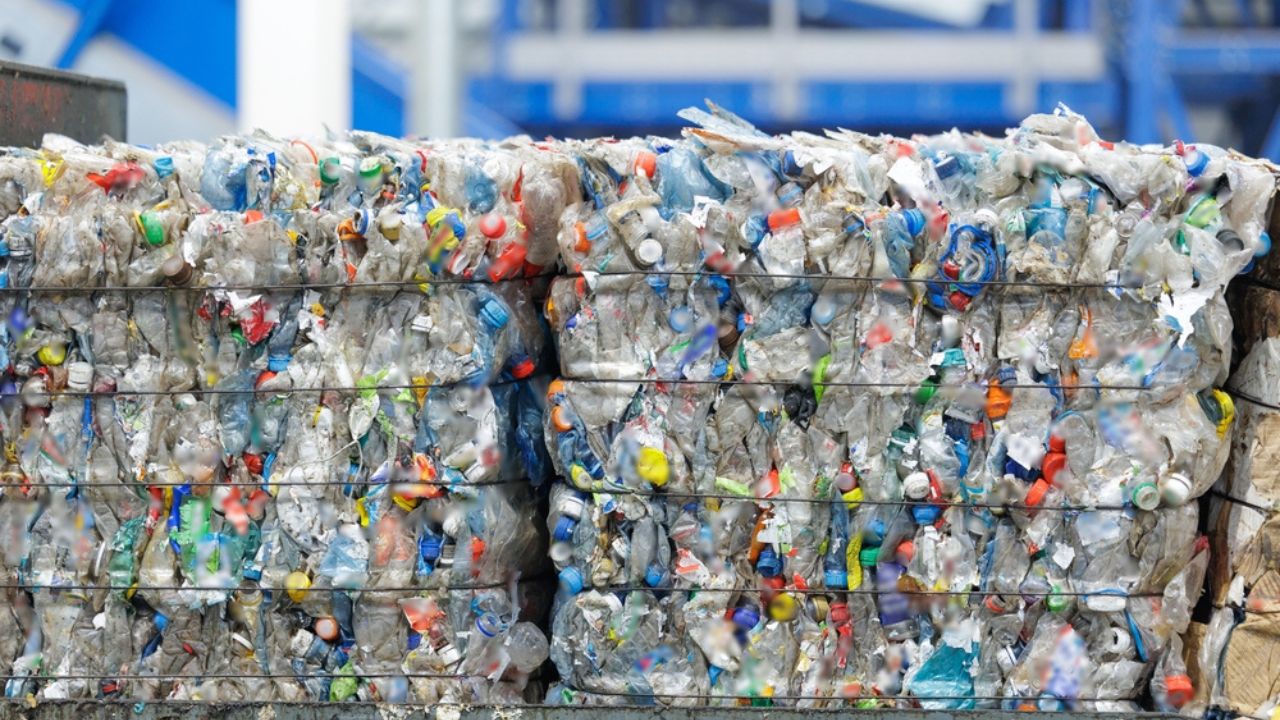
Less than 10 percent of the 400 million tonnes of plastic produced worldwide annually is being recycled, with most of the plastic waste going into landfill.
However, researchers from Adelaide University are seeing this as an “opportunity”, by using new technology called solar-driven photoreforming to transform plastic waste into hydrogen through solar energy.
“Plastic is often seen as a major environmental problem, but it also represents a significant opportunity,” Adelaide University researcher Xiao Lu said.
“If we can efficiently convert waste plastics into clean fuels using sunlight, we can address pollution and energy challenges at the same time.”
Solar-driven photoreforming uses light-activated materials called photocatalysts to break down plastics at relatively low temperatures to produce hydrogen and other valuable chemicals used in the industry.
Hydrogen is a renewable energy source which can be used to power vehicles, generate electricity and produce heat without carbon emissions, with Australia already producing 500,000 tonnes annually by extracting it from water.
The new technology has the potential to be more energy-efficient and easier to build into-large scale production.
While the current research is promising, the Aussie researchers say they have yet to figure out a way of processing it at a commercial level.
“One major hurdle is the complexity of plastic waste itself,” Professor Xiaoguang Duan, the senior author of the research paper, said.
“Different types of plastics behave differently during conversion, and additives such as dyes and stabilisers can interfere with the process.
“Efficient sorting and pre-treatment are therefore essential to maximise performance and product quality.”
However, Professor Duan said the laboratory tests have shown impressive results.
If successful, the process could provide an alternative or addition to Australia’s current plastic recycling schemes.
Image: Shutterstock