Australian local governments are increasingly imposing limits on the number of pets allowed in households, with a particular focus on cats, as part of efforts to protect native wildlife and the environment.
Roaming cats have long been the subject of debate, with conservation groups arguing they pose a significant threat to natural habitats and fauna. In response, several councils have adopted stricter legislation targeting cat ownership and management.
A number of local governments have now introduced restrictions on how many cats residents can keep, regardless of whether they are indoor-only pets or allowed outside.
In Western Australia, recent amendments to the Cat Act have strengthened council powers to enforce containment rules. The City of Melville has introduced a new two-cat limit per household, applying to all pets, not just those permitted to roam. Residents who exceed the limit may face a $200 fine.
Exemptions apply to foster animals, temporary care arrangements, or pets registered with the city before the rule came into effect.
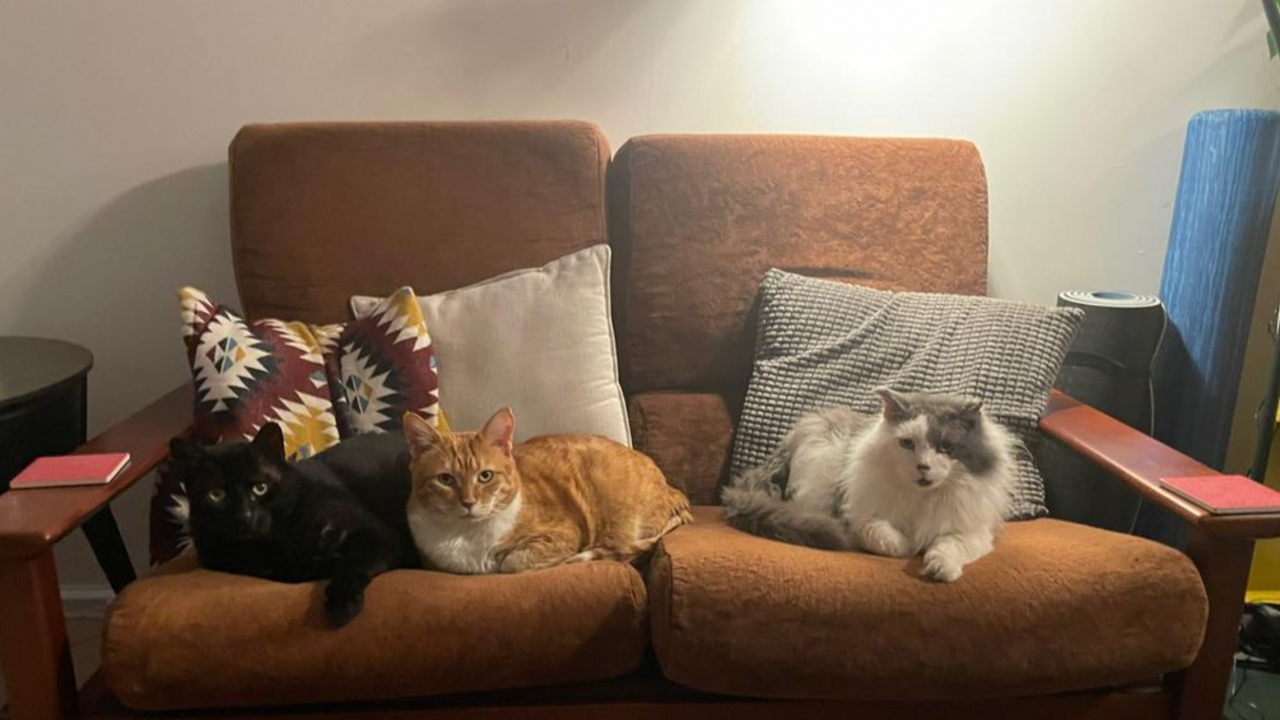
Perth residents Keira and Ian, who live with their daughter and three adopted cats, said the rules fail to consider responsible cat owners.
Keira said she had felt there was quite an unnecessary “prejudice” towards cat owners.
“There is no allowance in the law for indoor cats, and I’m an indoor cat person. I think all cats should be indoor and then if you can, create a cat run for them outside.”
While she agreed that roaming cats – particularly at night – can be harmful to wildlife, she argued dogs also contribute to environmental damage and that cat owners were unfairly targeted.
She said that when searching for properties for a family member, they found many strata residences allowed dogs but banned cats entirely.
“People in our area let their dogs off leash when they’re not allowed to, yet cat owners have all these restrictions,” she added.
“I love dogs, but I feel like it’s a bit unfair.”
Western Australia is not alone in tightening rules. Households in the Queensland local government areas of the Gold Coast, Sunshine Coast, Logan, Ipswich, Townsville, Cairns and Moreton are also limited to two cats.
In South Australia, the councils of Marion, Charles Sturt, Mitcham and Adelaide enforce the same cap, as do Monash, Darebin, Banyule and Greater Geelong in Victoria.
Some councils allow residents to apply for a permit to exceed the limit, considered on a case-by-case basis.
The ACT and Tasmania currently allow up to four cats per household.
New South Wales remains the only state without enforceable cat ownership laws.
However, the NSW Greens have proposed new legislation aimed at preventing roaming.
Greens MP Sue Higginson said cats remain a major threat to vulnerable species.
“Cats in Australia have been an unmitigated disaster and have caused the extinction of at least 27 native species and continue to threaten 120 other species with extinction,” Higginson said.
“As long as domestic cats are allowed outside to kill and maim native species, they will continue to be a leading cause of local extinctions in our neighbourhoods.”
Images: Realestate.com.au