Australia’s housing market lost momentum in April, with national home prices rising by just 0.3 per cent, the slowest monthly increase in more than a year.
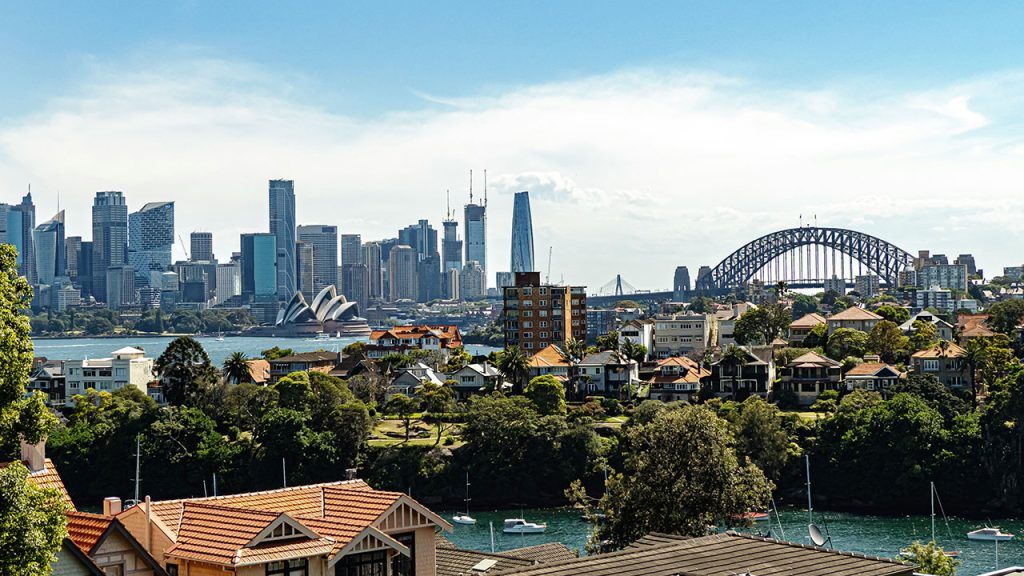
Data from Cotality showed the slowdown was felt across every capital city, but Sydney and Melbourne were the biggest factors behind the weaker result. Home values in both cities fell 0.6 per cent over the month.
Cotality head of research Gerard Burg said the trend was becoming increasingly clear in the nation’s two largest property markets. “There is now a clear indication that the momentum in the housing market has slowed,” he said.
He pointed to the cumulative effect of repeated interest rate increases, ongoing inflation pressures and uncertainty around energy costs as key reasons for the shift. “We’ve obviously seen the impact of multiple rate rises with the likelihood of another one next month, we’ve seen the impact of inflation hitting the budgets of households, and the general uncertainty related to energy prices across the country.”

A separate measure from PropTrack also suggested the market is cooling. Its April figures showed national home prices slipping 0.1 per cent, with Sydney down 0.5 per cent and Melbourne down 0.3 per cent.
Taken together, the data suggests the housing market may be entering a softer period. The Reserve Bank has already lifted interest rates twice this year, taking the cash rate to 4.1 per cent. With inflation still sitting at 4.6 per cent, further rises remain possible.
Mr Burg said that could mean more weakness ahead, especially in Sydney and Melbourne. “It does look like the direction we’re heading in is a further slowdown at best, with some markets continuing to soften even further, notably Sydney and Melbourne,” he said.
Although growth eased everywhere, results still varied sharply around the country. Perth recorded the strongest increase, with home values climbing 2.1 per cent in April, adding more than $21,000 to the median dwelling price. Brisbane, Adelaide and Darwin also posted gains of more than 1 per cent, even as growth moderated.

Price growth has continued to be strongest in the more affordable end of the market across the capitals, helped by borrowing limits and first-home buyer activity. Regional areas have also held up well, supported by comparatively lower prices and ongoing demand. Over the first four months of the year, the combined regional index rose 4.2 per cent, compared with a 1.8 per cent rise across the combined capitals.
ANZ economist Madeline Dunk said some markets are simply more exposed to higher interest rates than others. “Historically, when rates go up, Sydney in particular, but also Melbourne too, tends to fall by more and tends to move a bit faster in that downturn,” she said.
She said higher borrowing costs also tend to affect buyer confidence more broadly. “When rates are higher too, there’s a sense of nervousness about the economy and the outlook, and all of these things can contribute to shifts in sentiment and confidence.”
Ms Dunk said supply was another major factor. In smaller capital cities, very low listing numbers were helping to support prices. “For a lot of those smaller capitals that are still reporting very solid housing price growth, we know listings are very, very low,” she said. “So that helps to keep those markets tight if there’s not as much supply available.”

In contrast, Sydney and Melbourne have seen more auction listings in recent months, giving buyers greater choice. “It means buyers have a little bit more option and potentially a bit more power in the market if there are more properties for them to pick from.”
She also said global uncertainty was adding to the pressure on households, with conflict in the Middle East contributing to already fragile consumer sentiment. ANZ-Roy Morgan figures show consumer confidence sitting around 64.3, far below the long-term monthly average of 108.9.
“We’ve seen confidence has been very, very weak. It’s been hovering around the lowest on record,” Ms Dunk said. “We’ve been seeing people have been feeling worse over the last couple of months compared to how they were feeling before COVID lockdown started.”
Rising petrol prices are adding to the strain. Ms Dunk said estimates suggest households are paying about $18 more each week for fuel on average, putting further pressure on budgets and weighing on broader spending.
Even so, Mr Burg said Australia is unlikely to see steep falls in property values because the supply of new housing remains constrained. “While demand is softer, supply is picking up in terms of existing homes available for sale, there is a structural limit to the downside,” he said.