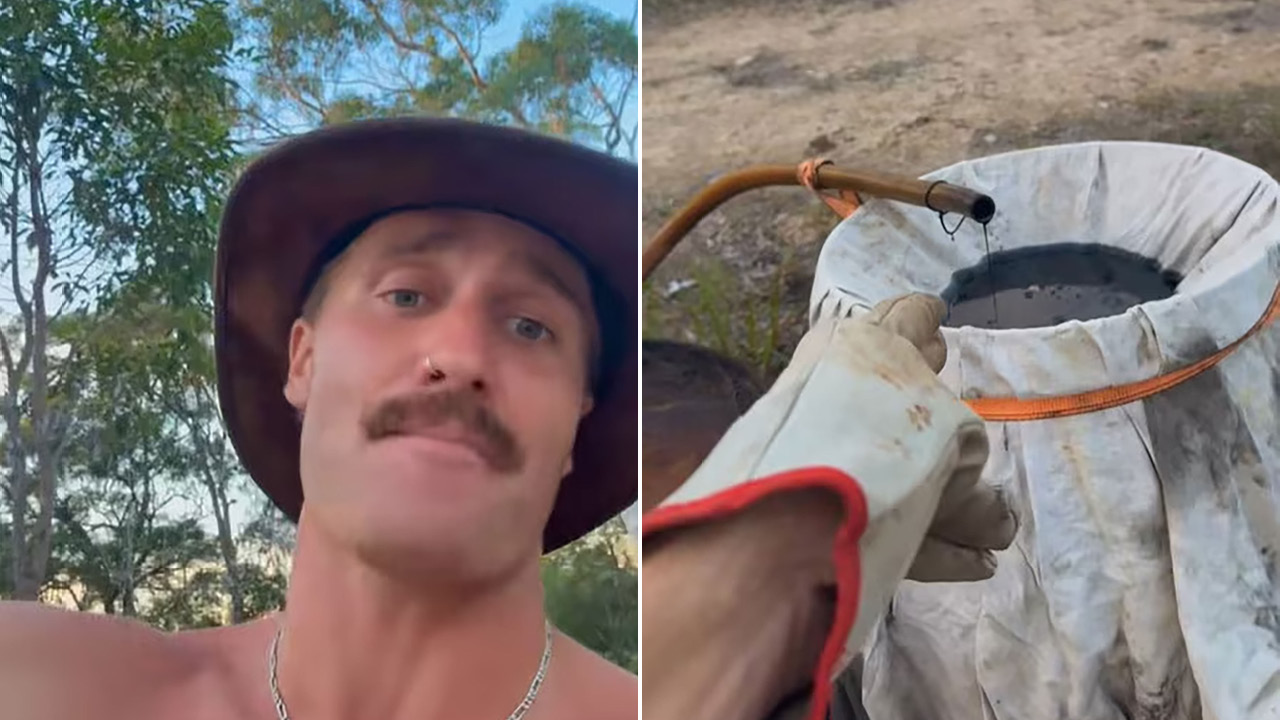
As fuel prices climb, some Australians are getting inventive to keep their vehicles on the road. Sunshine Coast tradie and recent Big Brother finalist Bruce Dunne has gone viral after sharing a homemade approach to cutting his diesel costs, using old oil drums, filters and recycled cooking oil.
In his TikTok clip, Dunne tells viewers: “I really hoped it wouldn’t come to this but here we are, cooking up our own diesel,” before adding, “Because politely, $3.15 for a litre of the dino juice is daylight robbery. I’m not paying it.” He also jokes about the smell, saying, “So if you see me ripping down the main strip, smelling like a fish and chip shop, just mind your own yeah?”
@heres_brucy I know a scam when I see one
The video attracted a flood of reactions, including: “What in the Mad Max,” “Tutorial asap pls,” and “Everyone will be converting their engines to run on canola oil soon enough.”
Dunne said the idea came after a painful trip to the servo. “I went to fill up before it kind of got too expensive,” he said. “I did the whole jerry cans and all that, ended up paying $500 in one trip to the fuel station. “I was like, this is ridiculous … nah, this is too much. So I deep-dived and figured out how I can run something else, and here we are.”
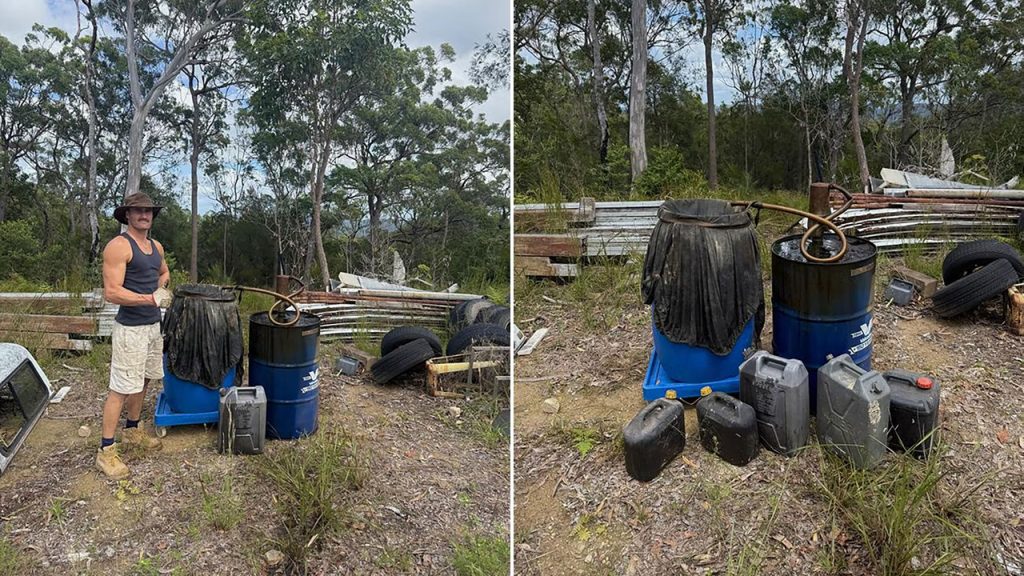
Working in heating, ventilation and air conditioning, he relies on his vehicle every day and says the pressure is worse in areas without realistic transport alternatives. “Where we are, we need fuel. There’s no real alternative. If you’re not driving, you’re stranded.”
His setup, he explains, depends on older diesel technology. “The key ingredient is I’m running mechanical fuel pumps … old school diesels,” he said. Right now, he is blending fuels to stretch each tank further: “At the moment I’m doing a 50-50 mix, vegetable or sump oil with diesel, just to cut the price in half. “But once diesel’s gone … we’ll probably be running it 100 per cent.”
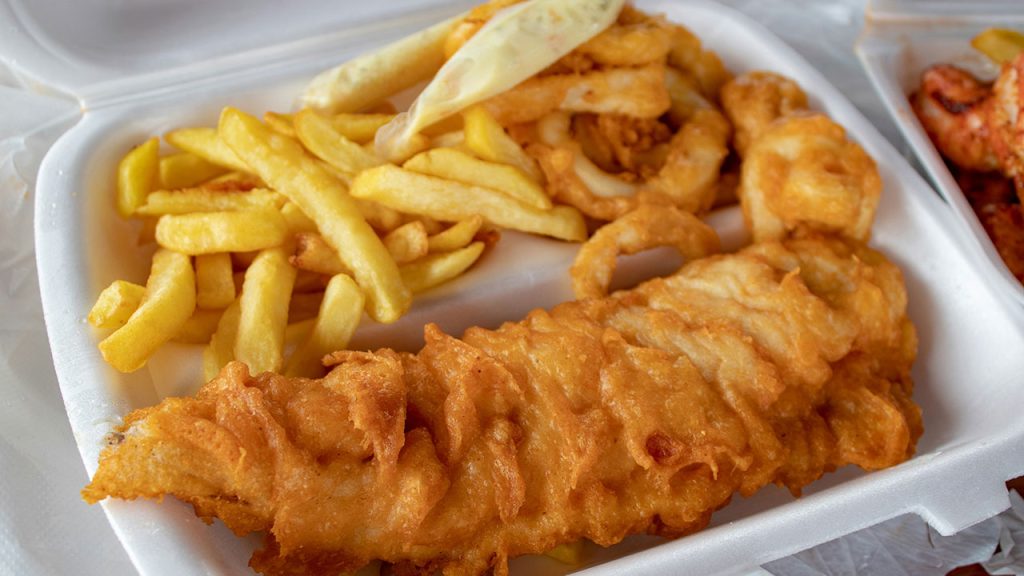
The oil, he says, is collected for free from used cooking oil, including from local fish and chip shops, then filtered and mixed. “Runs like a dream,” he said.
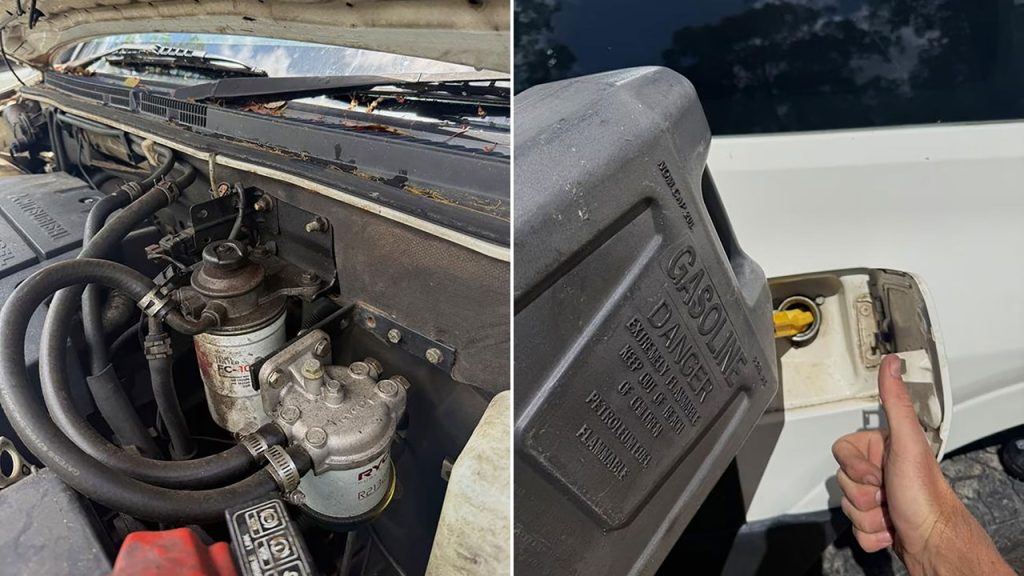
What began as a personal workaround is now spreading through his family and mates. “I’ve started cooking it up for my brother and my dad … and I’ve had a lot of my mates asking, ‘can you show us how to do it?’” he said. “I’ll give it another month or so, I reckon everyone around me will be running this version of it.”
He also stresses there are legal limits. “I’ve done the research, we’re not allowed to sell it. If it’s for personal use, that’s fine. But commercial, it has to meet proper standards.”
Motoring specialist David McCowen urged caution for anyone tempted to copy the idea. “Desperate times call for desperate measures, but it’s best not to try this at home,” he said. “Home-made diesel based on cooking oil is something thrifty car enthusiasts have experimented with for decades. “But you need to be careful. Modern cars with sophisticated emissions might not work with fuel that does not match the way their systems have been calibrated. “There are also questions surrounding safety, equipment, training and insurance. I’d hate to see anyone get hurt or lose their home trying to save money on fuel.”
Dunne acknowledges his own vehicle is effectively experimental, but says the frustration many people feel is reaching boiling point. “It’s taking the piss at this point. Honestly, it’s pissing me off what’s going on. They need to sort this out or we are going to run out eventually, and then we’ll see what happens.”