Planning a trip across Australia or New Zealand often starts with the same intention, freedom, and the ability to go where you want, when you want. But in reality, independent travel can quickly become more complex than expected. Distances are vast, logistics stack up, and what should feel like time away can turn into time spent organising what comes next.
Guided travel offers a different kind of experience. One where the details are taken care of, but the journey still feels personal, immersive and, importantly, relaxed.
Here’s how the two approaches compare, and why more travellers are rethinking the way they explore.
Flexible travel, without the planning
One of the biggest misconceptions about guided travel is that it limits flexibility. In practice, it often creates more of it. Well-paced itineraries strike a balance between guided experiences and time to explore independently. You might spend the morning discovering the domes of Kata Tjuta with your group, then enjoy a relaxed afternoon at your own pace.
With independent travel, that flexibility comes with constant decision-making. Where to go next, how to get there, what to prioritise. Guided travel removes that pressure, so your time feels truly your own.
Travel that feels social, not crowded
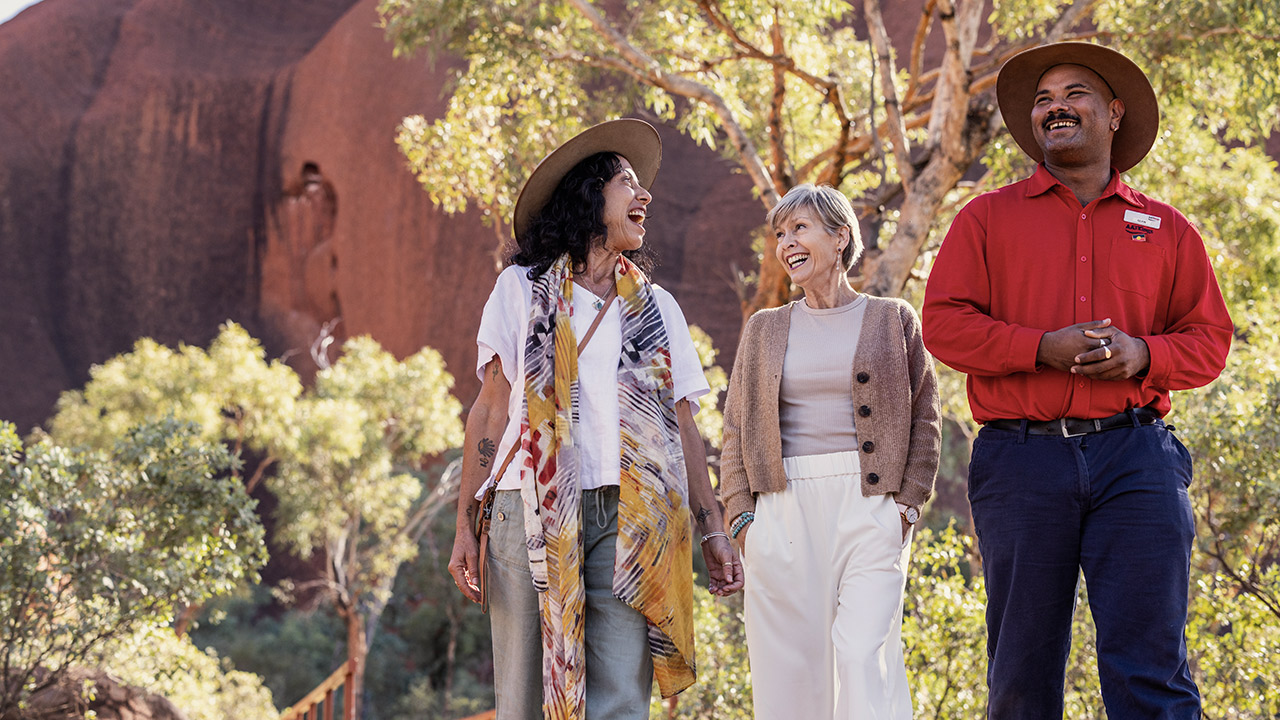
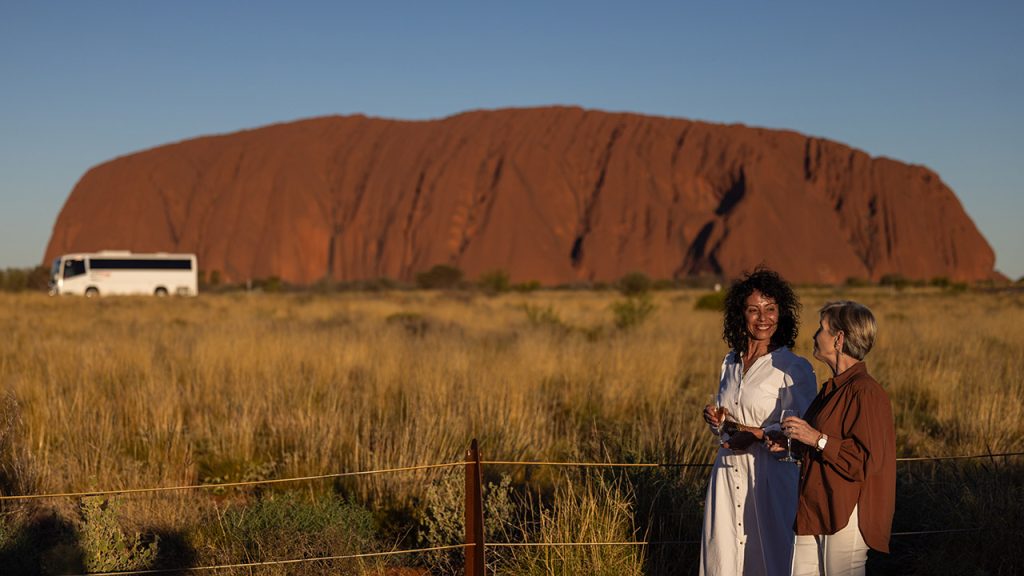
Travelling independently can be rewarding, but it can also feel isolating, particularly on longer journeys. On a guided trip, shared experiences add another layer to the journey. Conversations unfold naturally over meals, and moments of awe feel richer when experienced alongside others.
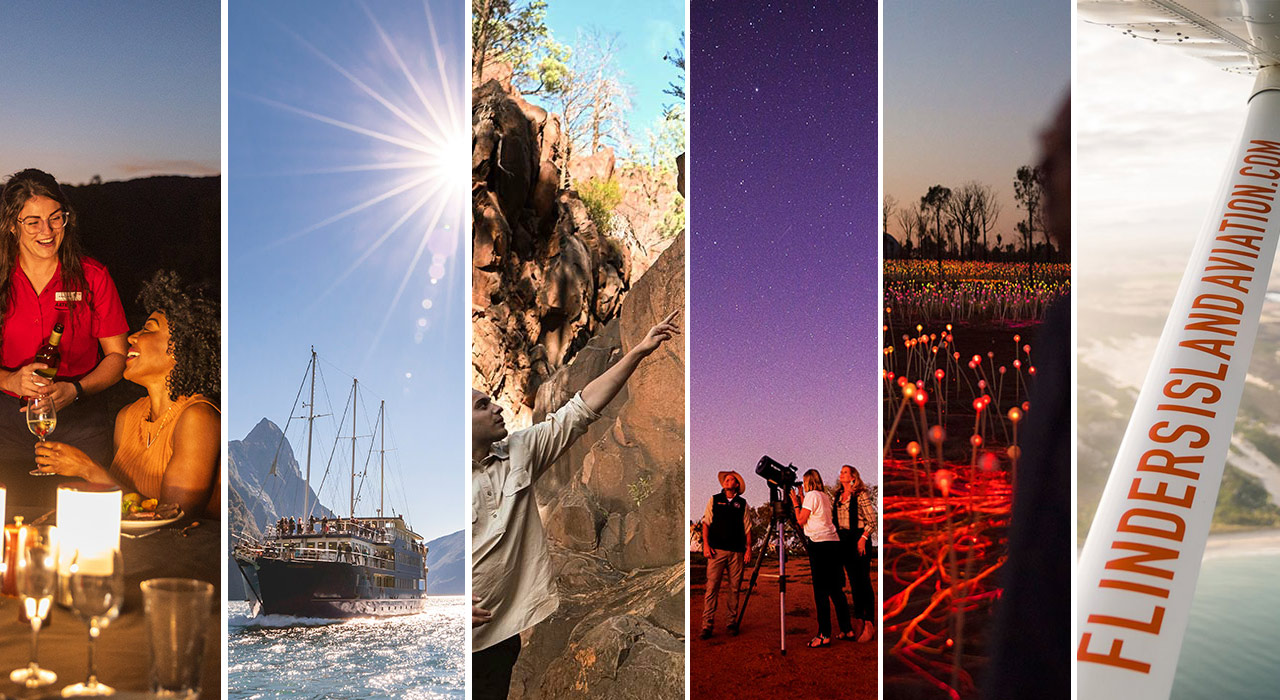
Whether it’s a relaxed evening at an Uluru barbecue dinner or simply watching the landscape change through the window, these shared moments often become the most memorable part of the trip.
Every detail, handled
Coordinating accommodation, transport and bookings across multiple destinations takes time and careful planning. Independent travellers often find themselves managing logistics daily, from check-in times to route planning and reservations.
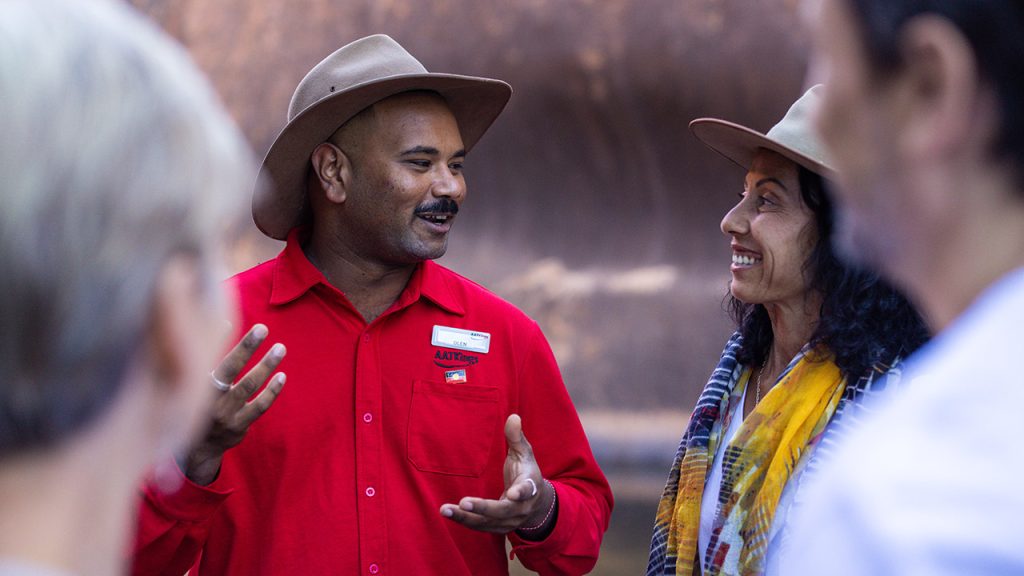
Guided travel simplifies this entirely. With everything arranged in advance and expert Travel Directors leading the way, you can stay focused on the experience rather than what comes next.

Seeing more, understanding more
Independent travel allows you to reach incredible places, but it doesn’t always provide the context that brings them to life.
In Rotorua, for example, the geothermal landscapes are striking on their own. But it’s the stories, cultural insights and local knowledge that turn the experience into something far more meaningful. Guided travel adds this depth. Instead of simply visiting a destination, you gain a clearer understanding of its history and significance.
The journey becomes part of the experience
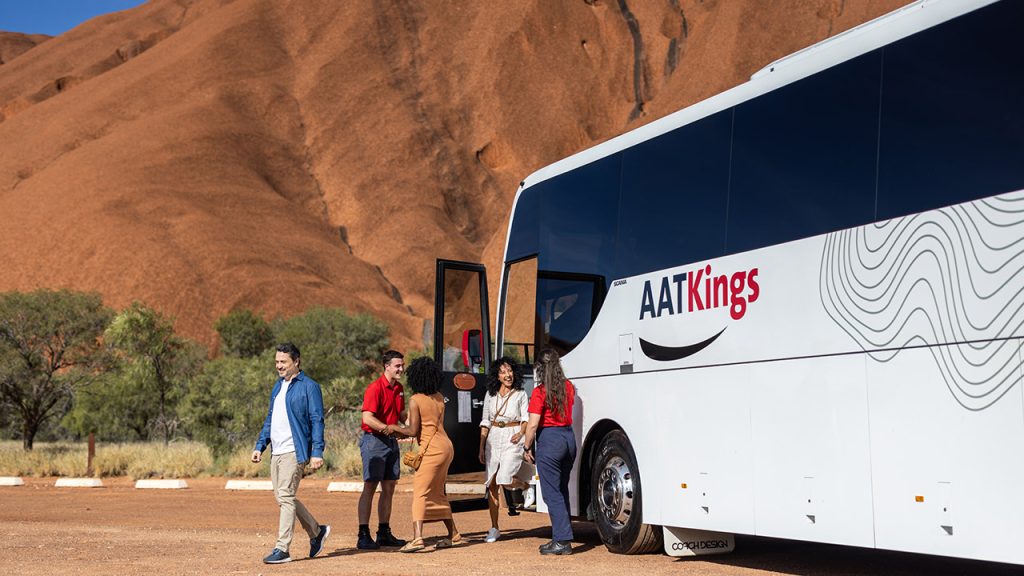
In countries as expansive as Australia, travel time is unavoidable. The difference lies in how that time is spent. Driving yourself means focusing on navigation, road conditions and timing. On a guided tour, that responsibility disappears.
From the winding coastal views of the Great Ocean Road to the wide open stretches of the outback, the journey becomes something to enjoy rather than manage.

Access that goes beyond the expected
Perhaps the biggest difference between guided and independent travel is access. Through local connections and long-standing partnerships, guided journeys can include experiences that are not always easy to find or arrange on your own. From cultural encounters to locally hosted experiences, these moments offer a deeper connection to place.
They are not just highlights of the itinerary, but often the moments that stay with you long after the journey ends.
For many travellers, the question is no longer whether they can travel independently, but whether it delivers the experience they are truly looking for. Guided travel offers an alternative, one that allows you to focus less on planning and more on simply enjoying where you are.
Images: AAT Kings
This is a sponsored article produced in partnership with AAT Kings