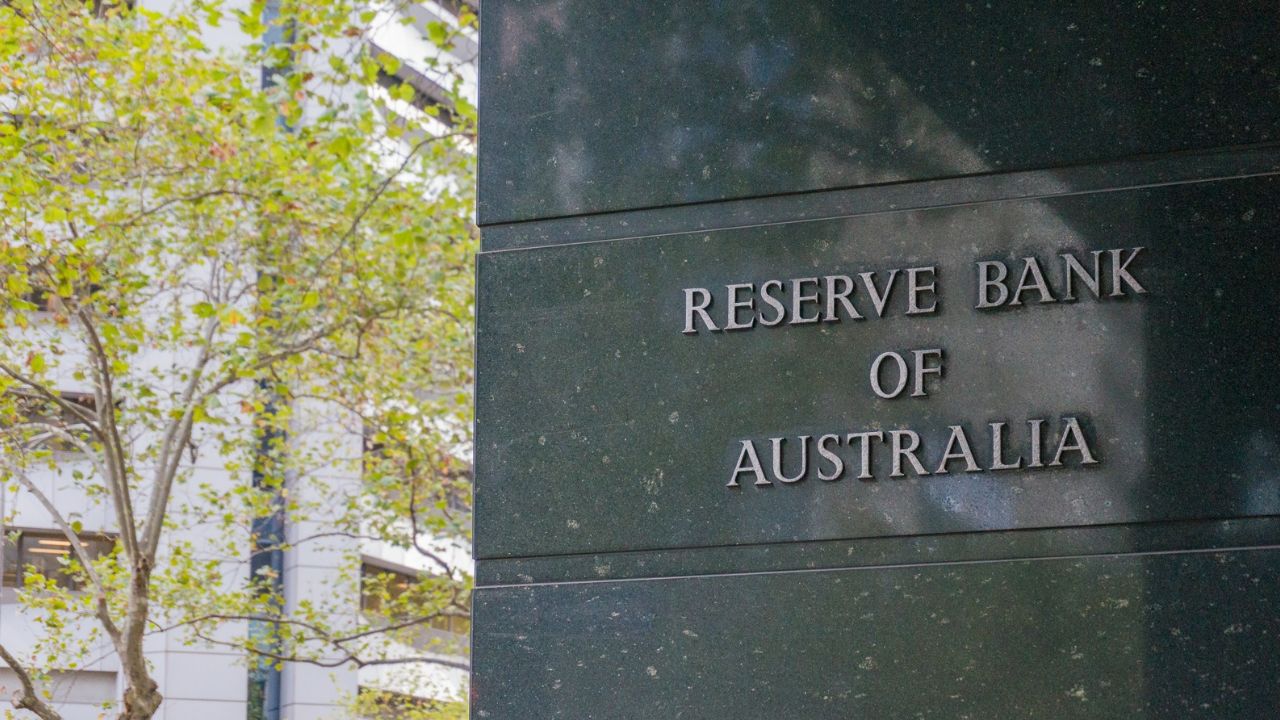
Australian households are facing renewed financial pressure after the Reserve Bank of Australia (RBA) delivered a second consecutive interest rate rise.
Following its two-day meeting, the central bank lifted the official cash rate by 25 basis points to 4.1 per cent on Tuesday, after increasing rates from 3.6 to 3.85 per cent in February.
Australia’s cash rate is now at its highest level since April 2025.
The widely anticipated move means many families will need to find extra room in already stretched budgets, as mortgage repayments rise further.
Only five of the nine members of the RBA’s monetary board voted in favour of the increase.
In a statement, the board said inflation pressures had picked up in the second half of the year, requiring higher rates to slow price growth.
“In light of these considerations, the board judged that inflation is likely to remain above target for some time and that the risks have tilted further to the upside, including to inflation expectations,” the board said.
“It was therefore appropriate to increase the cash rate target.”
Economists warn the impact on households is likely to be significant.
KPMG chief economist Brendan Rynne said the era of low interest rates may be over.
“We know the last tightening cycle put considerable pressure on households and the impact will be no different this time around and there could be more to come,” he said.
Rynne said borrowers were also facing rising fuel costs at the same time as higher mortgage repayments.
“It would be naïve to pin today’s rate rise solely on the Middle East conflict. Even prior to this, the economy was vulnerable to another rate rise, with inflation projected to be above target for some time,” he said.
“Put simply, the inflation genie never quite got back in its bottle, and the RBA is now having another go.”
Analysis from Finder shows the impact on borrowers could be immediate.
Households with a $500,000 mortgage are expected to pay an extra $159 a month, based on a 5.51 per cent starting rate. Those with a $750,000 loan will pay about $238 more, while repayments on a $1 million mortgage will rise by around $318 a month.
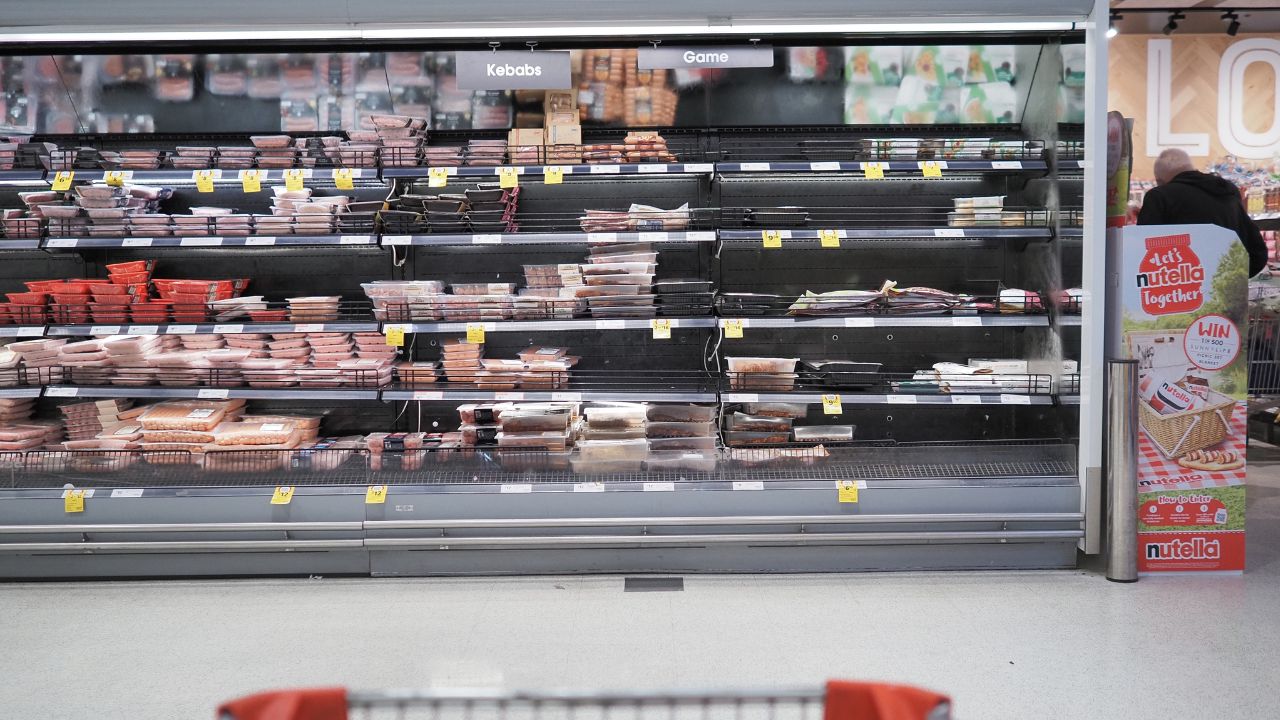
Adding to cost-of-living pressures are rising fuel prices, which are flowing through to everyday expenses.
Treasury forecasts headline inflation will rise to the “high fours”, driven in part by the conflict between the United States and Iran, which is well above the RBA’s 2 to 3 per cent target.
Petrol and diesel prices have increased by about 50 cents a litre on average, with shortages reported in some remote areas.
Westpac chief economist Luci Ellis said further rate rises are likely in the months ahead.
“This is a once bitten, twice shy situation,” Ellis has told NewsWire.
“They’ve (the RBA) made it clear they want to get on with it and when they get the Q1 inflation data, on our estimates, it will be too high.”
All four major banks are forecasting another rate increase in May, which would take the cash rate to at least 4.3 per cent.
If realised, it would effectively reverse all three rate cuts delivered in 2025.
While economists are focused on the prospect of three consecutive increases, financial markets are anticipating further tightening.
Image: Shutterstock