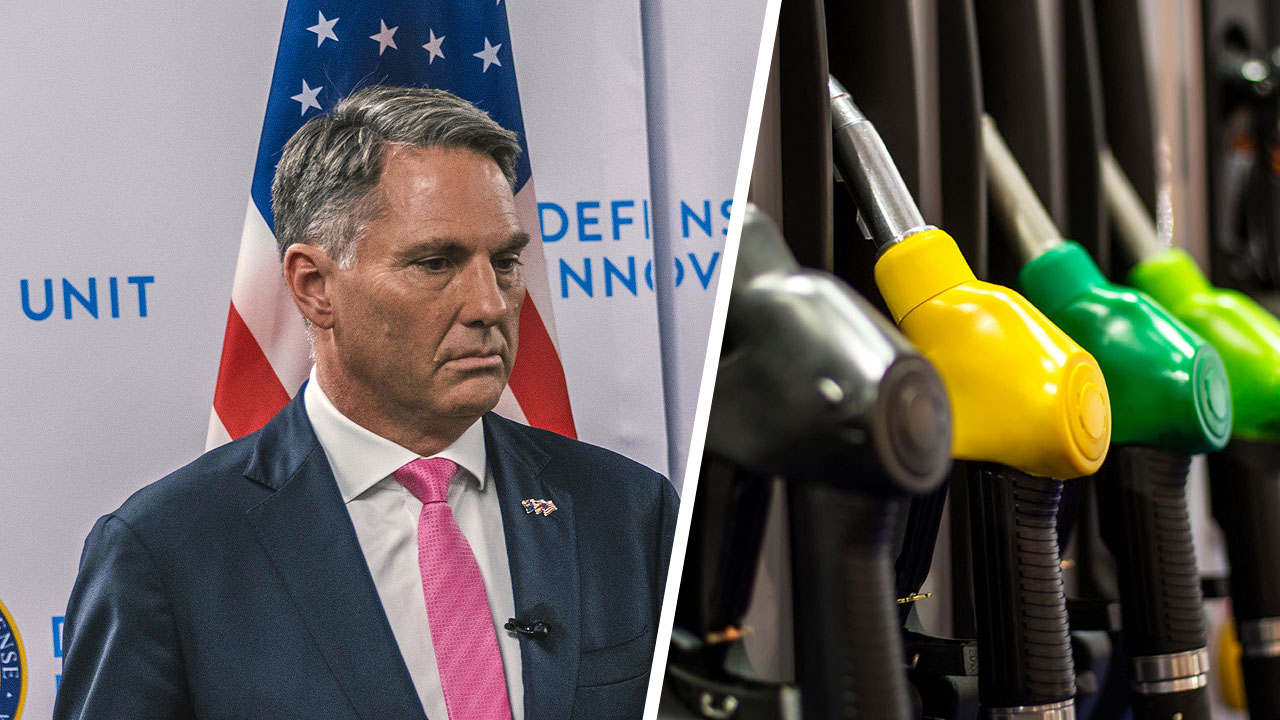
The federal government has acknowledged fuel rationing could become a possibility if the war in Iran drags on far longer than expected, but says Australians should not rush to fill jerry cans or change their usual routines, with shipments continuing to arrive.
Deputy Prime Minister Richard Marles was asked whether petrol rationing might be needed as major fuel retailers faced questions from the competition watchdog about the sharp price spikes motorists have seen. He did not rule it out, saying, “Obviously, this is a function of how long this conflict continues, and that’s not something that I can answer in terms of what’s going to happen.” He added, “But we are taking the measures that we’re taking right now, and it is a matter of people just going about their business normally and calmly.”
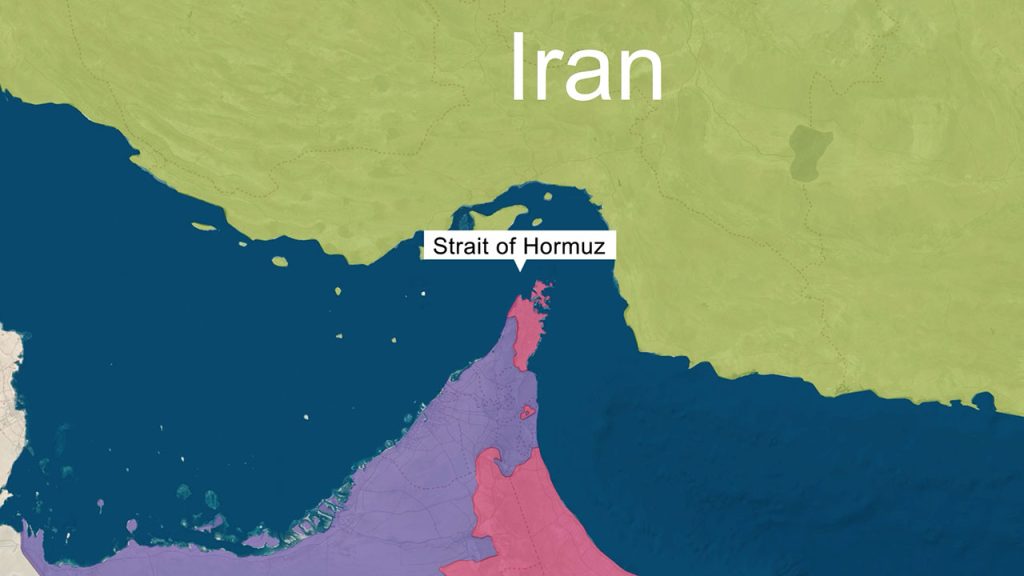
In a separate interview, Marles said there were no plans to impose rationing at this stage, pointing to steps taken to ease supply pressures following the effective closure of the Strait of Hormuz. Those measures include releasing 20 per cent of Australia’s domestic stockpiles and relaxing fuel standards so higher-sulphur products can be used locally. “All of that is about getting more fuel out there,” Marles said. “We are targeting the regions, places where there are the greatest needs. So, we are doing everything within our power to see fuel get to where it is required.” He said the message remained consistent: “What we are really saying of Australians right now is to go about your business as you normally would. “We very much understand the pressure, particularly in the regions where there are fuel shortages that (are) being felt there, and that’s why we are acting in the way that we are.”
The Strait of Hormuz is a major chokepoint for global energy and trade, with about 20 per cent of the world’s oil passing through it, along with even larger volumes of natural gas and significant shipments of fertiliser and other essential goods. The International Energy Agency has described the disruption as the worst-ever supply shock to the global oil market, more severe than the oil crises of the 1970s that triggered widespread shortages and rapid price rises.
Even so, Marles said Australia is still receiving deliveries. “Right now, our message to Australians is to just keep going on as you normally would,” he said. “As we speak, the same amount of ships that are supplying Australia are doing that.”
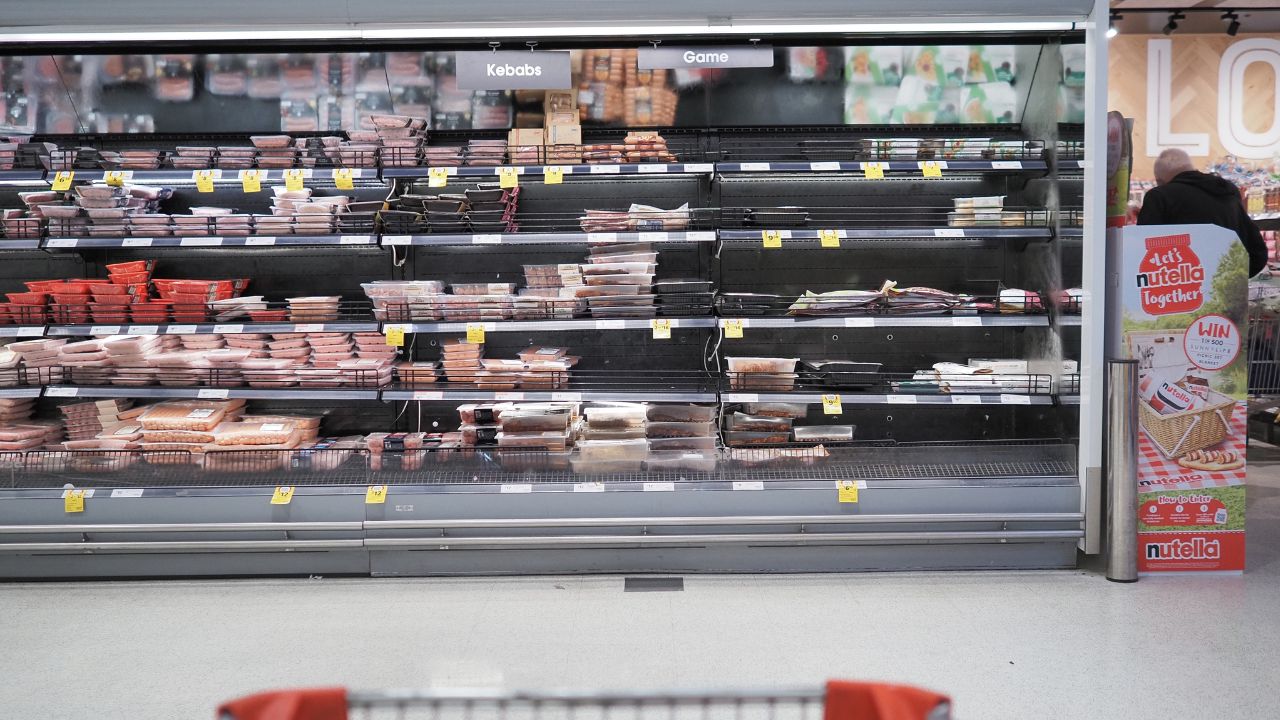
Shortages at some service stations, particularly in regional areas, have been linked to unusually high demand rather than a complete collapse in supply chains. Treasurer Jim Chalmers said, “We do acknowledge that in some local communities and particularly regional communities, there have been shortages that we are working with the ACCC and the industry to address.” He said suppliers had indicated there was enough fuel for normal patterns of use, but not for the sudden spike in purchasing: “Now the main reason for that is even in regional areas we’re told by the suppliers that there was enough for usual patterns of consumption, but not for these elevated levels of buying.”
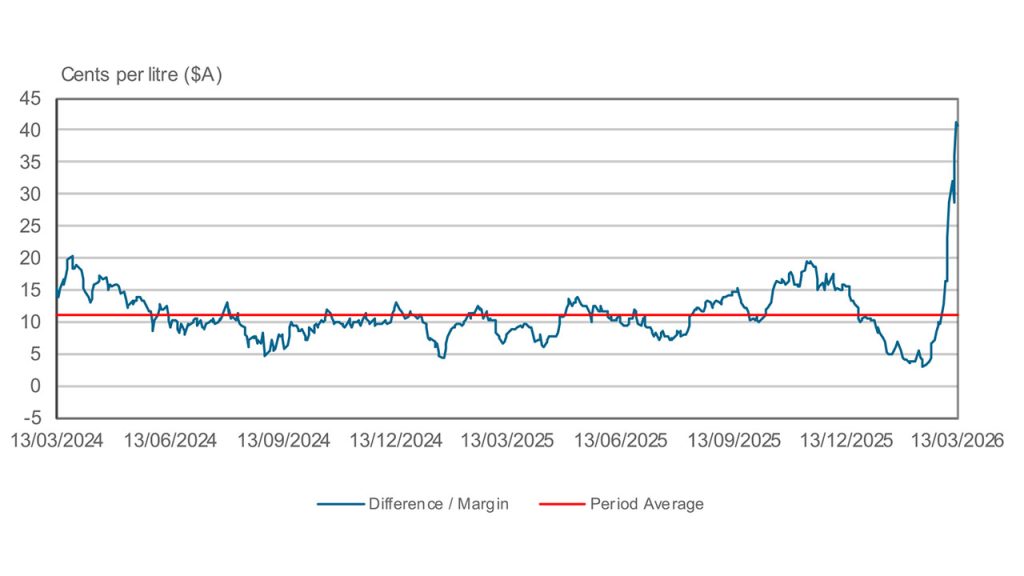
With motorists facing steep increases at the bowser over the past two weeks, the ACCC has called major petrol companies to a meeting to explain the pricing. Chalmers said, “Some of the steep increases in petrol prices we saw shortly after the outbreak of this conflict have really raised concerns at the ACCC,” adding, “Today the regulator will get a chance to make the retailers and suppliers justify their prices. “I’ve made it very clear that if they find evidence of misconduct, we expect the ACCC to throw the book at them.”
Since the war began, the government has doubled the fines available to the consumer watchdog if it finds petrol companies have broken the law.