A video explaining how dry cleaning works has gone viral online, with many viewers realising the process is not quite what they expected.
The video, shared by Yale Cleaners in Tulsa, Oklahoma, has attracted more than 1.6 million views on TikTok after taking viewers behind the scenes of the dry cleaning process.
“What is dry cleaning and how does it work?” the narrator in the video said.
“Well, we start by sorting through the clothes.”
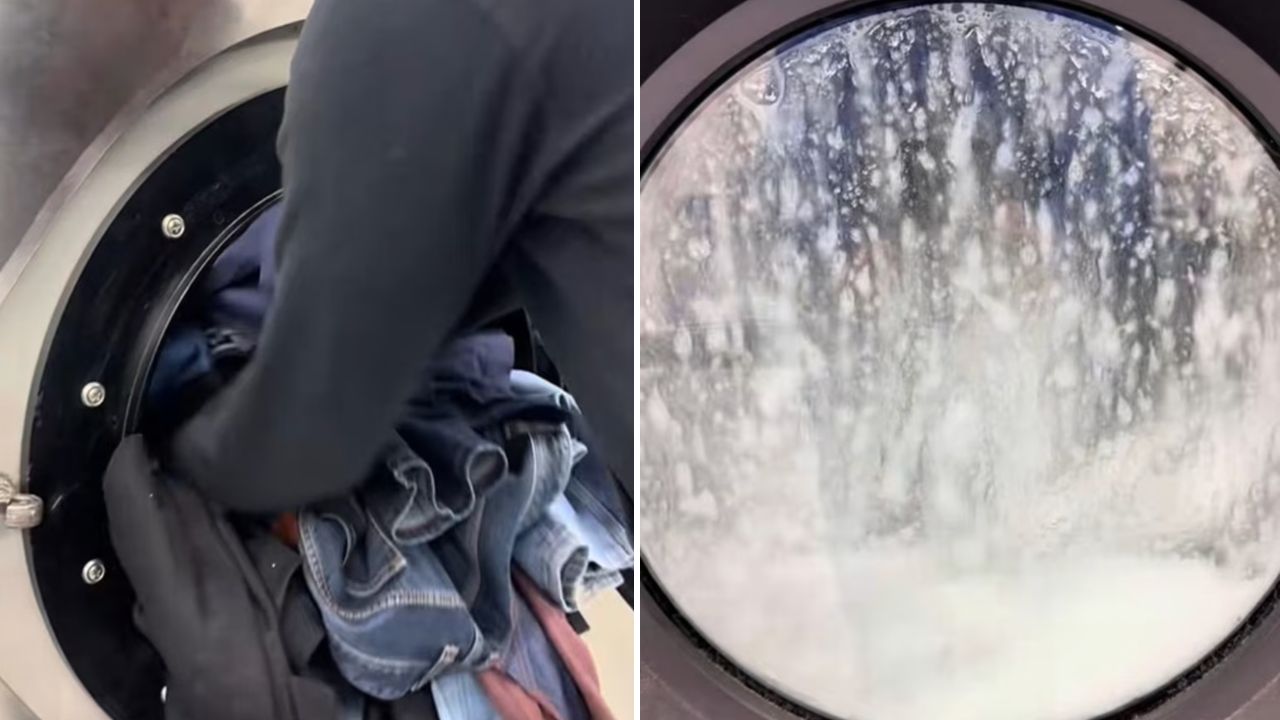
According to the video, garments are first checked for items left in pockets and all buttons are undone before each item is barcoded and linked to a customer’s account.
Clothing is then separated by colour before being placed into specialised machines.
“The clothes are sorted into lights and darks and go into their designated dry cleaning machines,” the narrator explains.
“Now, dry cleaning uses solvent instead of water to clean your clothes. This is much gentler on the fibres of the fabric and helps prevent shrinking and fading.”
After cleaning, the garments are placed in a machine known as a “petromiser” to remove any remaining solvent before being pressed or steamed and returned to customers.
The video sparked plenty of discussion online, with many viewers surprised by what they saw.
“Wait, dry cleaning isn’t dry?” one user asked.
“My clothes go with other people’s clothes?” another questioned. “This honestly has me repulsed. Never again.”
“So it’s basically just a community load of laundry with fancy soap?” a third pointed out.
One viewer even asked: “Wait, is dry cleaning a scam?”
@yalecleaners What is Dry Cleaning and How does it Work? #drycleaning #howto #howto #interesting #satisfying ♬ Acoustic Guitar Background6905 – Goodvibes
Despite appearances, the process is technically considered “dry” because it does not involve water. Instead, dry cleaning uses a solvent, a liquid that dissolves dirt or grease without soaking into fibres the way water does in a typical washing machine.
The concept dates back to the mid-19th century.
According to industry accounts, a Frenchman named Jean-Baptiste Jolly discovered the method by accident when kerosene from an oil lamp spilled onto a tablecloth and cleaned the fabric without damaging it.
Over time the industry moved to more stable, non-flammable solvents, with perchlorethylene, often called “perc”, the most common solvent used today.
In Australia, it is estimated about 80 per cent of dry cleaners use perc, although it is classified as a suspected carcinogen. Some businesses are gradually shifting to alternatives such as hydrocarbon and liquid silicone.
Dry cleaning cannot be easily replicated at home because the solvents require specialised equipment and ventilation to be handled safely.
Professional machines operate as closed systems, filtering and distilling the solvent so it can be reused rather than washed away like water in a household washing machine.
The process relies on what chemists call “non-polar chemistry”. Water is polar, meaning it dissolves substances like salt or sugar but struggles with oil-based stains.
Solvents used in dry cleaning are non-polar, similar to oils themselves. This allows them to dissolve grease and oily stains while sitting mostly on the surface of fabrics.
Because the solvent does not soak deeply into fibres, garments are less likely to shrink, stretch or lose their shape.
Natural materials such as wool and silk are particularly absorbent and can swell when washed in water. As they dry, the fibres may not return to their original form, which is why many delicate items carry a “dry clean only” label.
Image: TikTok