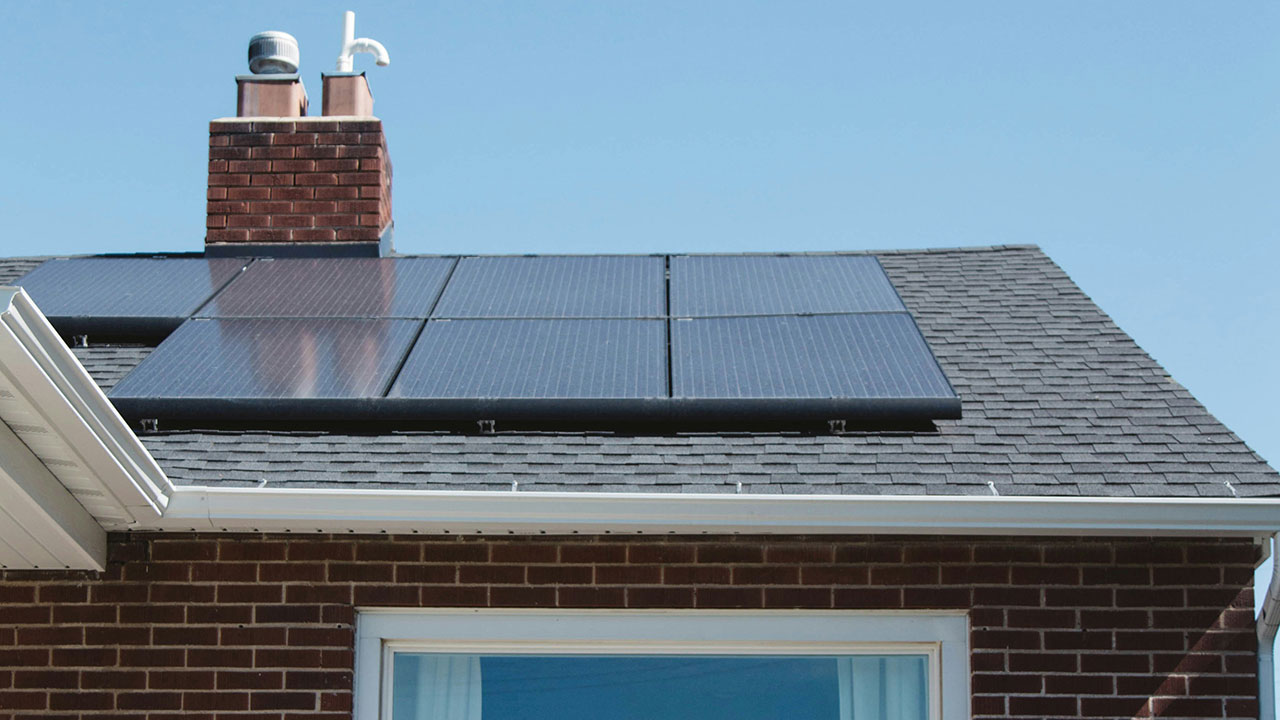
AGL has raised serious concerns about a proposed shake-up of electricity billing, warning that the changes could lead to higher costs for households with rooftop solar panels and battery systems.
At the centre of the debate is a plan from the Australian Energy Market Commission to change how Australians pay for the electricity grid, including the poles and wires that deliver power to homes. At present, these network costs, which can make up as much as half of a household power bill, vary depending on how much electricity a customer uses.
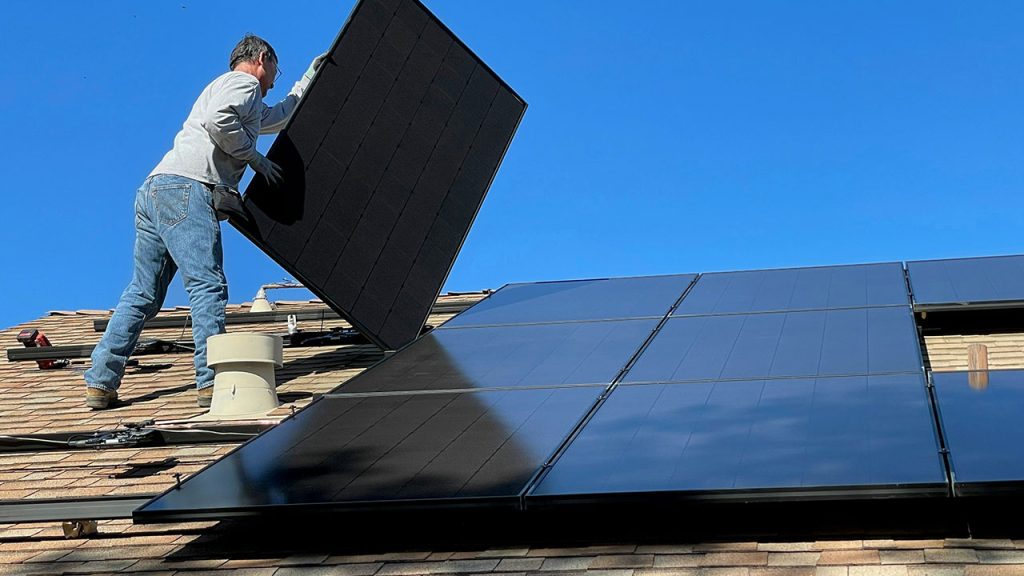
The commission wants to move more of those charges into fixed fees. It says that would make the system fairer by ensuring all grid-connected households contribute to the upkeep of the network, even if they use less grid power because they have invested in solar panels or batteries.
The AEMC argues the change would save money overall. Its modelling suggests most households would pay less, with total network savings reaching $6 billion by 2040. That would amount to roughly $40 to $80 a year for each household.
But AGL is urging caution before the rules are locked in in June. The company says the assumptions and modelling behind the proposal need much closer examination.
“Getting it right for customers … requires careful scrutiny of the modelling and assumptions behind these proposals, so reform does not introduce unnecessary cost or complexity,” an AGL spokesperson said.
The concerns add to wider unease across the energy sector, where some fear the projected benefits rely on thin evidence and modelling that is not sufficiently clear.

AGL, which supplies more than 4 million customers around the country, said it accepts the case for reform as the electricity system changes. Even so, it warned that pushing too far towards fixed network charges could reduce people’s ability to manage their bills. If a larger share of a bill is fixed, households have less incentive and less power to save money by cutting usage at peak times.
Experts say the impacts would not be felt equally. Large, high-usage households with greater means could come out well ahead, with some potentially saving up to $1400 a year. By contrast, low-income households could be left about $200 a year worse off, while homes with solar panels and batteries could lose around $700.
“AGL will continue to work constructively with the AEMC to help ensure reforms deliver an efficient energy system while getting the right outcomes for customers and keeping affordability front and centre,” the company spokesperson said.
The backlash also comes from renewable energy developers, who say the proposal cuts across years of government efforts to encourage Australians to invest in home solar and batteries to lower bills and support the electricity grid. The Clean Energy Council has argued the proposal effectively “change the ground rules” for households that made those investments in good faith.
Still, not everyone in the industry is opposed. Some energy experts and major retailers support the idea that network costs should be shared more evenly by everyone connected to the grid.
Nicole McKechnie, chief corporate affairs officer at EnergyAustralia, said all connected homes benefit from the network, whether or not they have solar panels or batteries.
“This is fundamentally about fairness,” she said.
“Customers who can’t install solar or batteries shouldn’t be left to carry a growing share of costs that everyone benefits from.”
The AEMC says there is also scope to cut network costs through so-called dynamic pricing, where charges vary according to location and the time electricity is used. That approach would work in a similar way to surge pricing for ride-share services during busy periods or higher accommodation prices during holiday peaks.
At the same time, the commission’s modelling assumes there will be 2 million household batteries installed nationwide by 2030. Australia already has close to half a million batteries, but some experts warn the fixed-charge plan could slow growth by making ownership less financially attractive.
The proposal itself included an example showing that an average battery owner would be $3312 worse off in energy savings over 10 years under higher fixed network charges than under the current system.
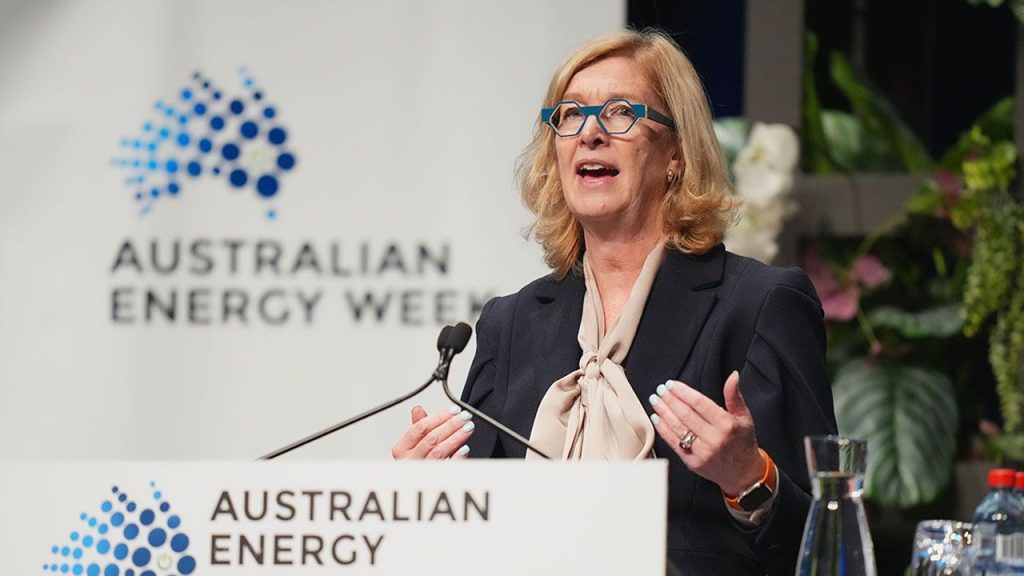
AEMC chair Anna Collyer said change was needed to stop the cost of maintaining the grid falling more heavily on people who cannot afford to buy batteries.
“The AEMC’s analysis shows that in the absence of reform, customers could end up paying more, and current network pricing will begin to disadvantage those who can least afford it,” Collyer said.
“As outlined, our modelling is based on transparent assumptions, and explicitly acknowledges the need for customer protections.
“We continue to engage extensively with stakeholders on this Review, and will consider the analysis and range of customer protections alongside submissions received from stakeholders and consumers before we reach our final report in June.”