1. Pollination is an essential part of the fertilisation process
The movement of pollen from one flower to another flower of the same species is an essential step in the fertilisation of plants and the development of the fruit and seeds needed for reproduction.
2. 75% of flowering plants depend on pollinators for fertilisation
An overwhelming proportion of at least 75% of flowering plants depend on pollinators for fertilisation. It’s a good reason to encourage the birds and the bees into your garden to help it flourish.
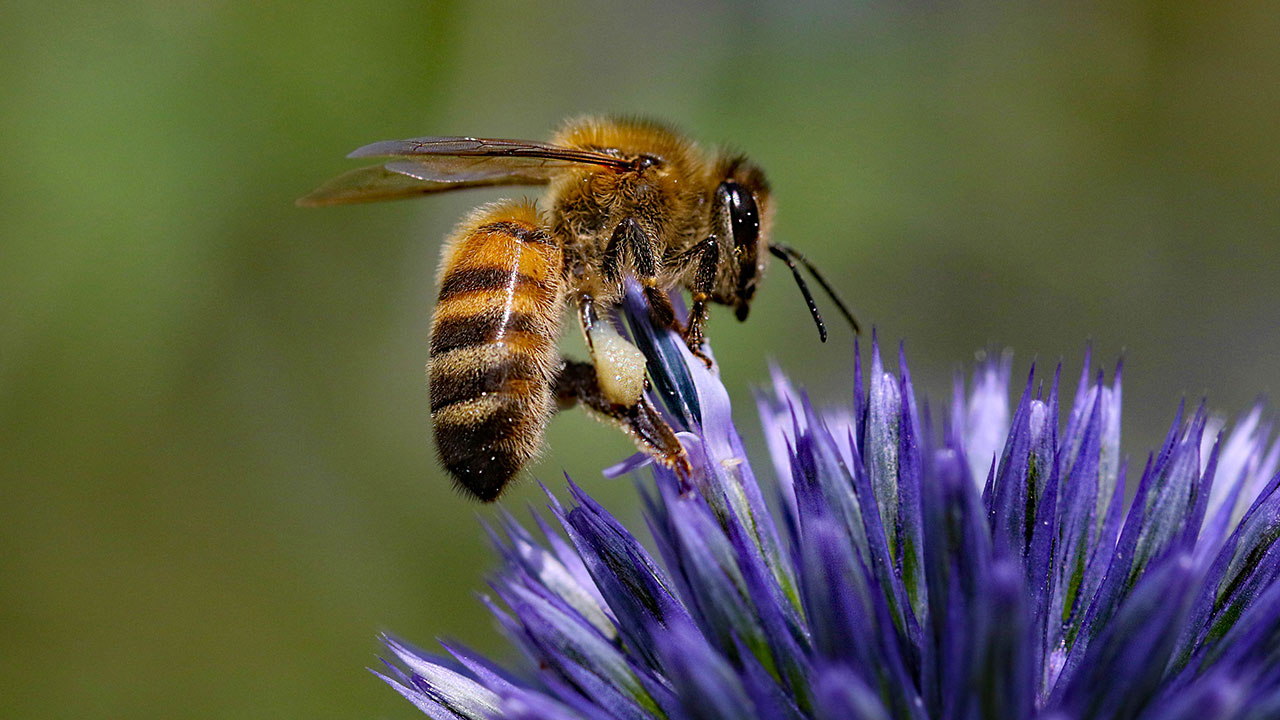
3. Bees pollinate but so do other animals and insects
Birds, bees, bats, butterflies, moths, flies, beetles, wasps and small mammals are all common pollinators. Other animals, as well as the wind, can carry pollen from flower to flower as well.
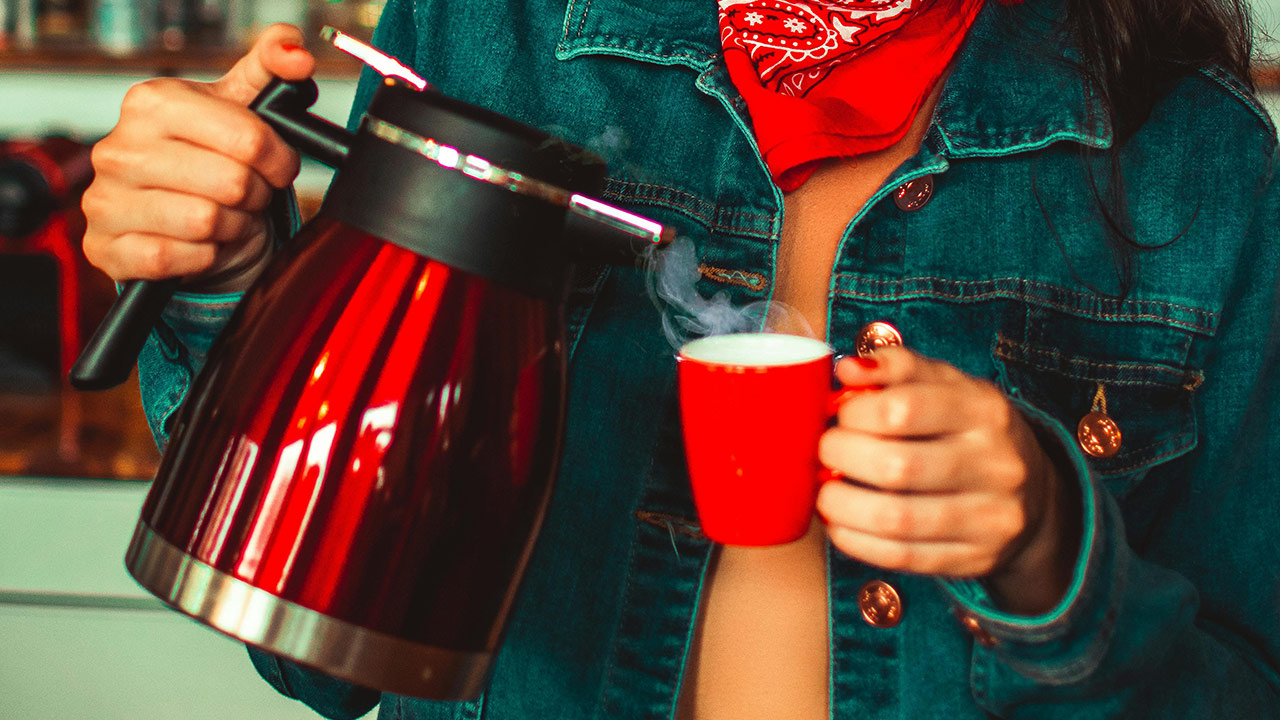
4. Pollination leads to the creation of everyday essentials like coffee and tequila
About a thousand plants we rely on worldwide for the production of goods require pollinators. These include those grown for food, beverages, spices and medicines. Think coffee, chocolate and tequila!
5. Protect pollinators by planting native flowering plants
You can protect pollinators by planting native flowering plants, reducing your use of pesticides and telling others of the danger these animals and insects are in through chemical misuse, loss of habitat and diseases.
Republished with permission of Handyman Australia.