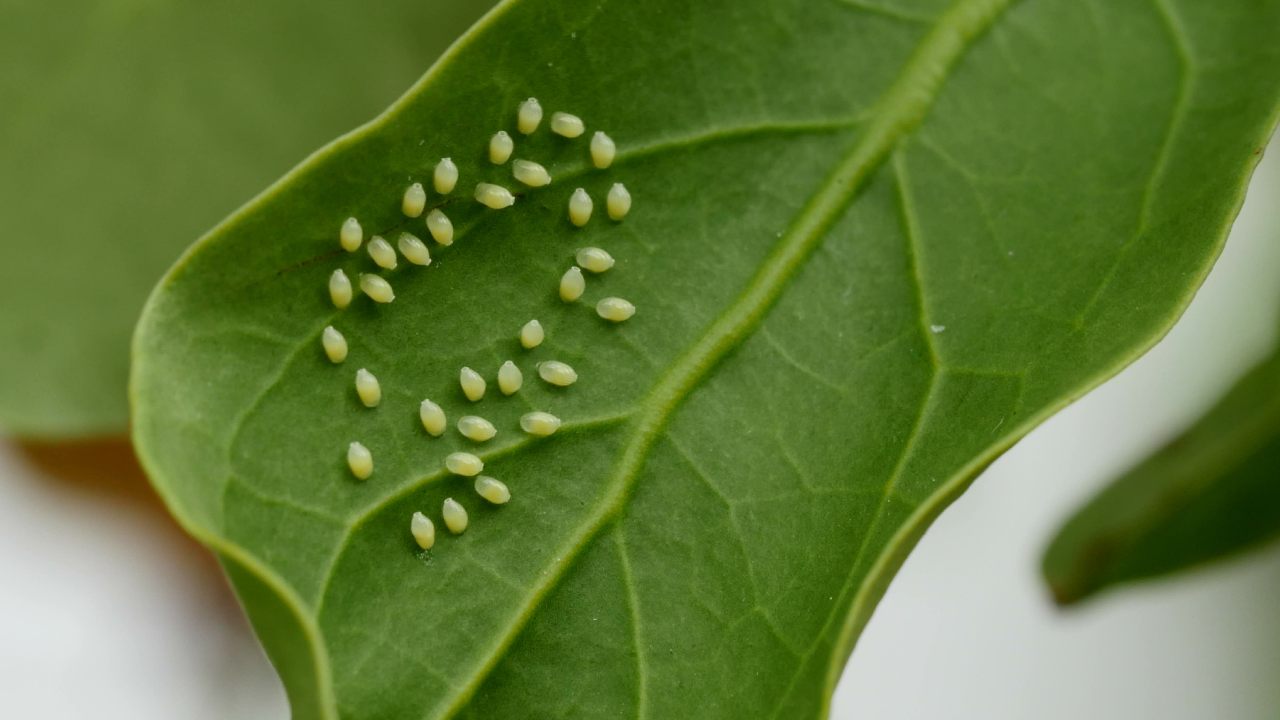
Aphids are small, soft-bodied insects that feed on sap and leave a sticky deposit as they suck the juice from leaves and stems.
They love nasturtiums but attack everything from herbs and vegies to vines, shrubs and trees, including roses, camellias, stone fruit and citrus.
Aphids can be green, yellow, pink, brown, grey, black or woolly, and are only 2mm to 4mm long.
These tiny insects are usually found clustering in large numbers on stems, flower buds and leaves, causing curled or distorted growth.
Populations start building up in mid and late spring, developing from small colonies into heavy infestations in a matter of days.
They don’t just destroy new growth but also spread disease, transmitting broad bean wilt, cucumber mosaic and other viruses.
Aphids also secrete a sugar-rich substance called honeydew that attracts and feeds a type of fungus called sooty mould.
Methods of control
Aphids multiply rapidly, so a control program is very important.
PICK aphids off by hand and squash them, making sure to wear gloves.
BLAST aphids from plants by hosing regularly with a strong jet of water.
WIPE off indoor plants with a cotton ball dipped in methylated spirits. SPRAY plants with insecticide, using low-toxicity formulas to protect edibles, pets and beneficial insects.
ATTRACT natural predators like ladybirds into the garden by planting achillea or Queen Anne’s lace.
PRUNE and bin heavily infested stems and shoots to stimulate new growth.
Mixing home remedies
Insects are repelled by garlic and cayenne pepper, so use it to make a spray that can be applied to plants as often as needed.
Handle the solution carefully because capsaicin, the active ingredient in pepper, is a very powerful eye and skin irritant.
COMBINE six unpeeled and crushed garlic cloves with one tablespoon of cayenne pepper in a clean bucket.
ADD a litre of warm water and stir the mixture well for one minute then cover the container and leave in a location out of direct sunlight, letting it stand for two days.
STRAIN the solution into a plastic spray bottle and use within 24 hours.
Spotting and treating infestations
Aphids usually attack soft, new young growth and can cluster unseen on the underside of leaves. Monitor plants throughout spring, checking the leaves for signs of aphid activity, and treat infestations immediately.
Herbs
PROBLEM Leaves are distorted, yellowing or sticky
SOLUTION Companion plant with nectar-rich species like scabiosa or sweet alyssum and include dill, fennel and chives to attract beneficial insects.
Vegetables
PROBLEM Leaves are curled, puckered or sticky
SOLUTION Spray insecticidal soap directly onto aphids. To make your own, mix two tablespoons of pure soap flakes in a litre of water.
Flowers
PROBLEM Insects cluster on buds and leaves are curled, distorted or yellowed
SOLUTION Apply a botanical insecticide such as neem, spraying the foliage in the early evening.
Shrubs
PROBLEM Distorted, sticky leaves.
SOLUTION Make a pepper and garlic spray for heavily infested foliage and use as needed. It will very effectively protect roses from both sucking insects and fungal issues.
Fruit trees
PROBLEM Leaves are misshapen and stunted
SOLUTION Prune off and dispose of infested leaves, stems and shoots then spray the tree with white oil, making sure to coat the pests.
Citrus species
PROBLEM Black insects cover new growth, leaves wither and buds drop
SOLUTION Prune affected shoots to encourage new, healthy growth and apply pyrethrum, also spraying it around the base of the tree.
Written by Artemis Gouros. Republished with permission of Handyman.