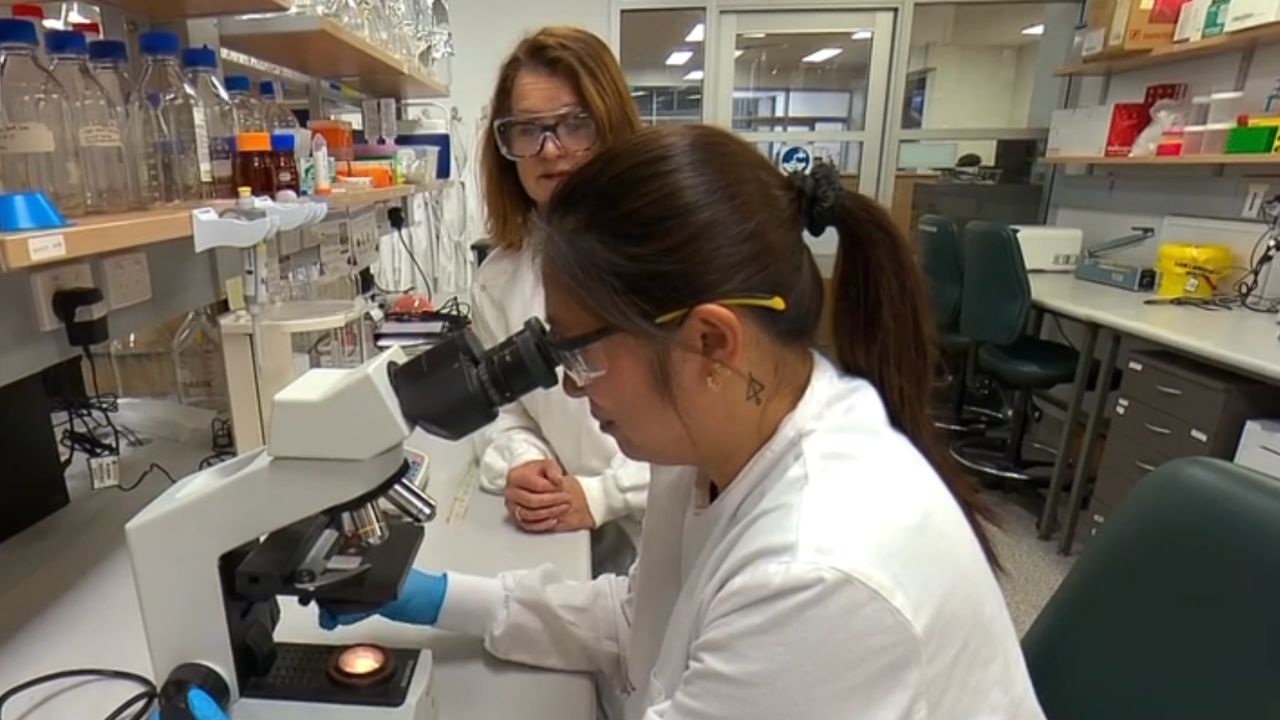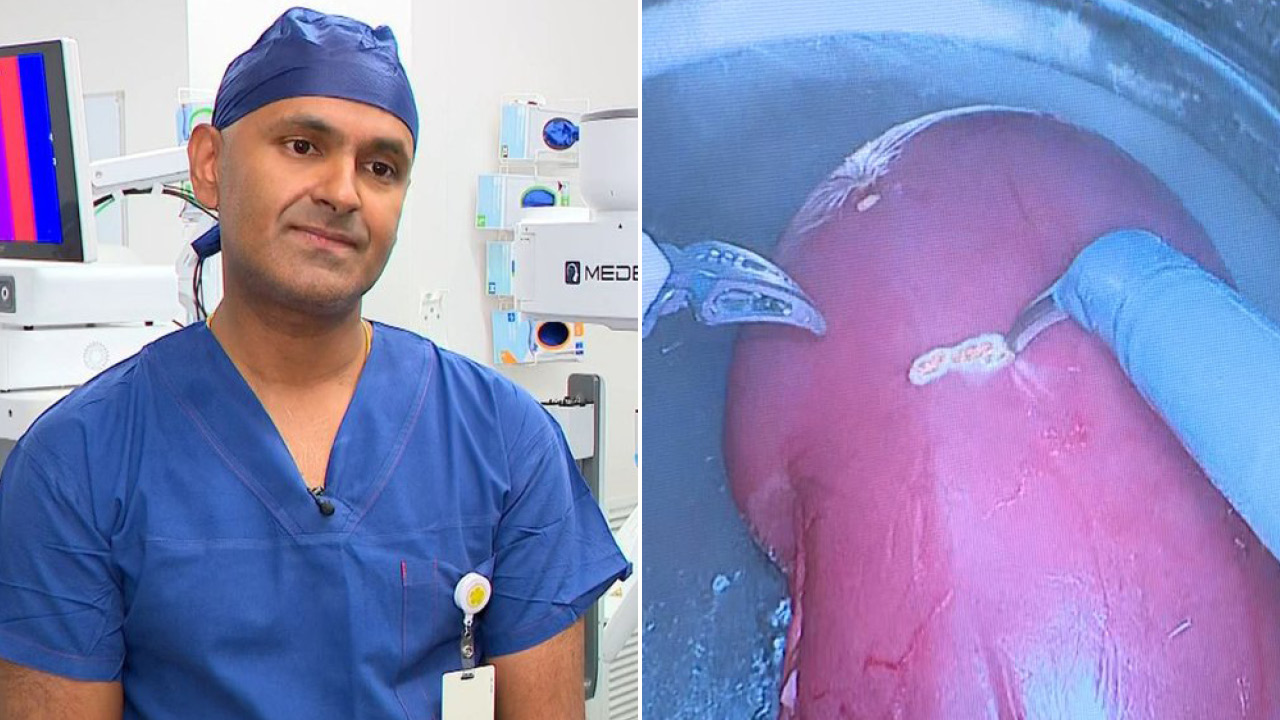
With news cameras in the room, Associate Professor Ruban Thanigasalam guided the Toumai robot as it cut and stitched a demonstration kidney in Shanghai, about 7500km from Sydney. The milestone is the first time the technology has been used this way from Australia and points to a future where regional patients could undergo cancer surgery closer to home.
Thanigasalam said the surgery was “groundbreaking.” Speaking to 7 News, he said the advance matters in a country as vast as Australia, where many communities do not have access to expert robotic surgeons. “Australia is such a large country and there are many cities and communities that don’t have access to highly trained robotic surgeons”
Thanigasalam said the system “enables us to bridge these distances” and “gives us the opportunity to provide the same standard of care interstate that we would that come to Sydney”.
“Often patients are moving to Sydney to have their operations but this enables them to stay in their home town and us to potentially operate on them”
For families in regional areas, that could mean fewer journeys into major cities, less time away from home and access to specialist care without travelling hundreds of kilometres.
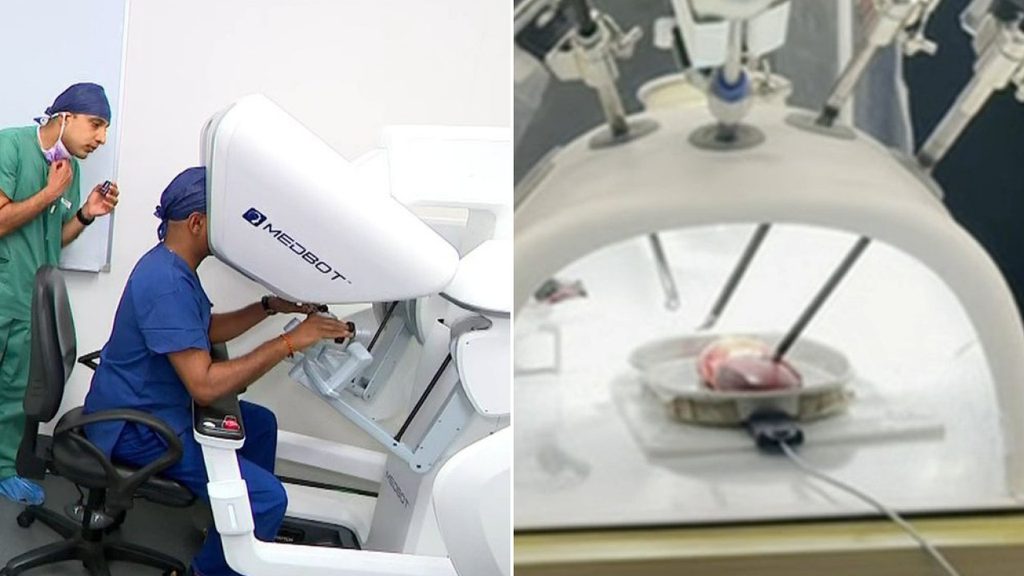
The surgeon stays in command of the instruments by sending directions through a network connection. Before the procedure, Thanigasalam explained that the operation relied on fast, stable communications. “We’re using [the] 5G network,” Thanigasalam said ahead of the demonstration.
“The latency has to be less than 50 miliseconds ideally” to “not notice a difference in the speed”.
He said those links are tested before any procedure begins. “We do several tests beforehand to make sure that the connection is satisfactory,” he said. “We have a back-up connection as well”.
After the demonstration, Thanigasalam said the outcome exceeded expectations. “It went really well actually,” he said.
“We were able to operate the robot from Shanghai from here in Sydney which is a distance of 7500km. “Our latency was only 150 milliseconds, you couldn’t actually tell any difference in the speed”.
Asked whether the result was better than expected, he replied: “Absolutely yeah, I was pleasantly surprised and I’m looking forward to testing this technology further”.
The Toumai system has already been used internationally on patients. Thanigasalam said one example was a prostate cancer procedure controlled from London while the patient was in Gibraltar.
“They’ve done telesurgery cases from China to Morrocco, from America to Angola,” Thanigasalam said.
“This technology has been around really in the last two years. We’re very proud and excited to showcase it in this country”.
Remote robotic surgery is not yet ready for routine use in Australian hospitals. Thanigasalam said more approvals are still required before it can be offered to patients here. “We’ve got approval to use the robot, but we have to go through internal governance,” Thanigasalam said. “We have to go through medico-legal clearance and indemnity clearance. There are a few separate steps that need to happen.”
He said another medical team would also need to be physically present with the patient in case action was needed immediately. “So I think you’re going to probably see this in the next six months,” Thanigasalam said.
Hospital preparation, approvals and funding are still needed, and a wider rollout would also depend on investment in trained teams and dependable connections across the country.
Thanigasalam said the technology could do more than allow specialists to operate from afar. “This is a fantastic piece of technology,” Thanigasalam said.
“It can be used for teleproctoring and mentoring so we’re able to not only perform the surgery but we can proctor, teach and train other surgeons and other hospitals. It will be for the best outcome of the patients.”