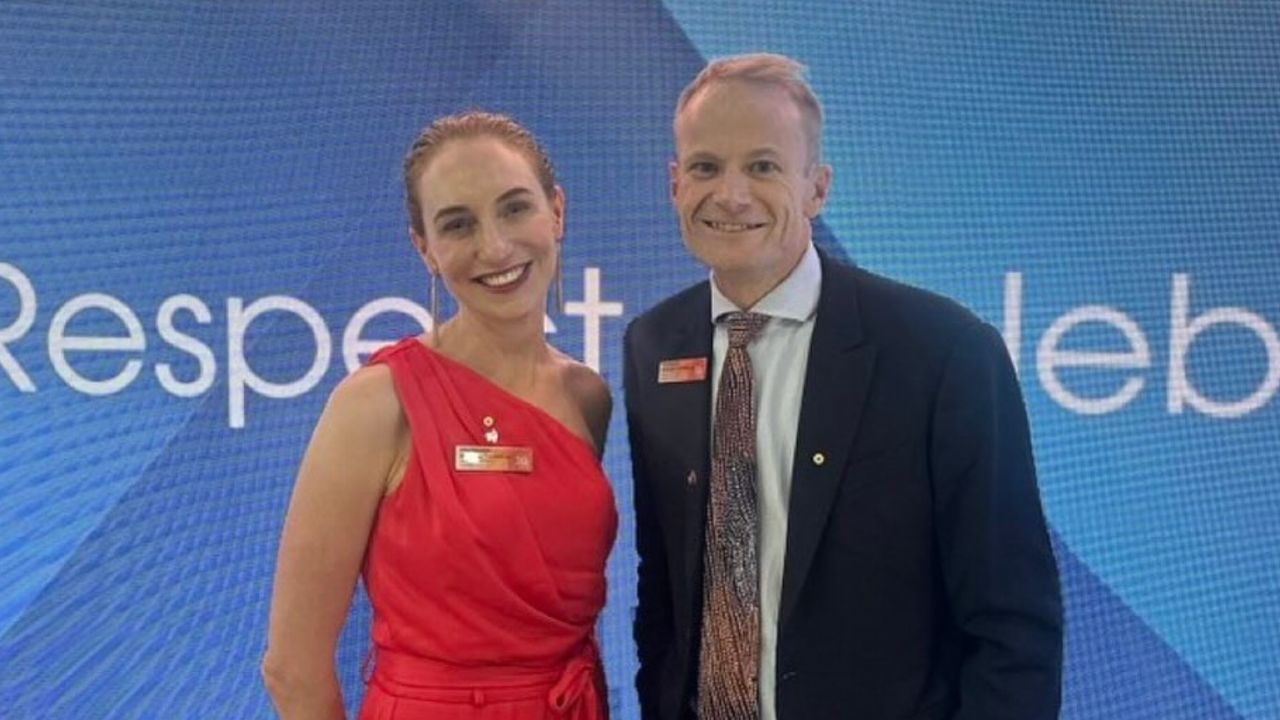
A landmark large-scale trial for the first ever mRNA cancer vaccine that reduces the risk of melanoma recurrence and death has successfully been completed.
Principal investigator, Professor Georgina Long, said she almost fell of her chair when she received a call on the trial results.
“I’m not one prone to exaggeration, but this really is a very, very big leap forward in cancer,” she said.
Long pioneered the tailor-made cancer vaccine, with the third phase of the trial showing that the vaccine can reduce the risk of the recurrence of melanoma or death by 42 per cent, compared with patients who were only given the immunotherapy drug, pembrolizumab, also known as Keytruda.
The immunotherapy treatment transforms melanoma from a death sentence to a treatable disease.
“It’s all the clichés: landmark moment, moon landing, first flight – it really is a foundational shift,” she said.
The trial involved 1137 trial patients who had undergone surgery to remove their melanoma tumours and given pembrolizumab. Two-thirds of these participants were also given the personalised mRNA vaccine, designed to help their immune system recognise and destroy their specific cancer cells by identifying what they look like.
The remaining patients were given placebo injections.
The trial, funded by Merck and Moderna, found that after two years, 82 per cent of the trial patients who received both treatments were alive and melanoma-free, compared to 70 per cent who only received pembrolizumab.
Australian mRNA Cancer Vaccine Hub director Associate Professor Seth Cheetham said the combination of immunotherapy and the personalised vaccine was an “incredible breakthrough”.
“This is the first really large trial that’s shown definitively that this technology works. It reduces the risk of recurrence or spread and results in better outcomes compared to standard of care,” Cheetham said.
“This is really the gold standard, and it’s what the entire field’s been waiting on,” he continued.
Before immunotherapies like pembrolizumab advanced melanoma patients only survived for less than a year. Now, about half of patients are alive and effectively cured.
The new vaccine is not for people who have never had cancer, but those who have previously had the cancer and want to stop it from recurring.
Researchers analysed each patient’s tumour and healthy cells to identify the genetic changes unique to their cancer.
They then used this information to create a personalised vaccine designed to train the immune system to recognise and attack cancer cells carrying these changes, known as neoantigens. Each vaccine could target up to 34 mutations specific to the patient’s tumour.
Cheetham said: “It really is the antithesis of a one-size-fits-all approach, which has dominated cancer care for a long time.
“It’s pioneering a new kind of medicine, in which we are looking at each tumour individually and crafting a unique treatment for it.”
Long has dedicated her career to finding a cure for melanoma and was named Australian of the Year in 2024 with her colleague and friend, the late Professor Richard Scolyer.
While the results of the trial is promising, research is still ongoing.
“This vaccine is in no way preventative … The best way to prevent melanoma is still to protect yourself from the sun,” Dr Jessamy Tiffen, Acting Deputy Director and Head of the Centre for Cancer Innovations at the Centenary Institute said.
Image: Instagram