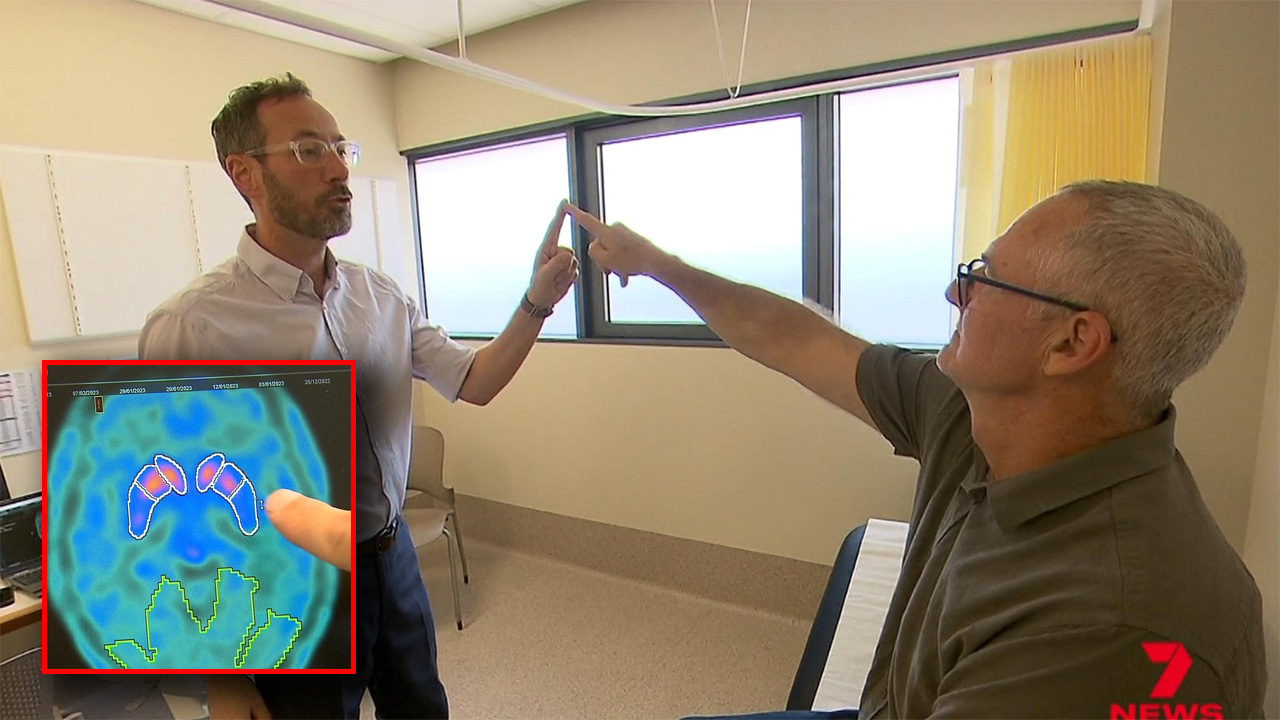
Twice as many Australian women live with Alzheimer’s disease as men, and scientists in Western Australia are now chasing a reason that has long been overlooked: menopause.
A new WA study is examining whether the hormonal changes women go through in midlife leave a lasting mark on the brain, one that may help explain why memory loss and dementia strike women far more often than men.
For decades, Alzheimer’s research has treated ageing as the main risk factor, with women simply assumed to be affected more because they tend to live longer. But researchers now suspect something more specific is at play, tied to the drop in oestrogen that comes with menopause and the role that hormone plays in protecting brain cells.
Oestrogen is thought to support memory and cognitive function throughout a woman’s life, and its decline in midlife has emerged as a lead suspect in the search for why women’s brains appear more vulnerable in later years.
The findings could reshape how women approach their health long before any signs of memory trouble appear, opening the door to prevention strategies built around the menopause years rather than a diagnosis handed down decades later.
That is a significant shift in thinking. Rather than treating Alzheimer’s as an inevitability of old age, the research points to a window in midlife where protective steps might make a real difference to brain health down the track.
For the many Australian women who have already moved through menopause, or are approaching it, the study offers something rare in dementia research: a concrete, biological reason for the imbalance, and a starting point for closing it.
It also reframes menopause itself, long dismissed as simply a passage to endure, as a period worth watching closely for the sake of the decades of memory and clarity that follow.