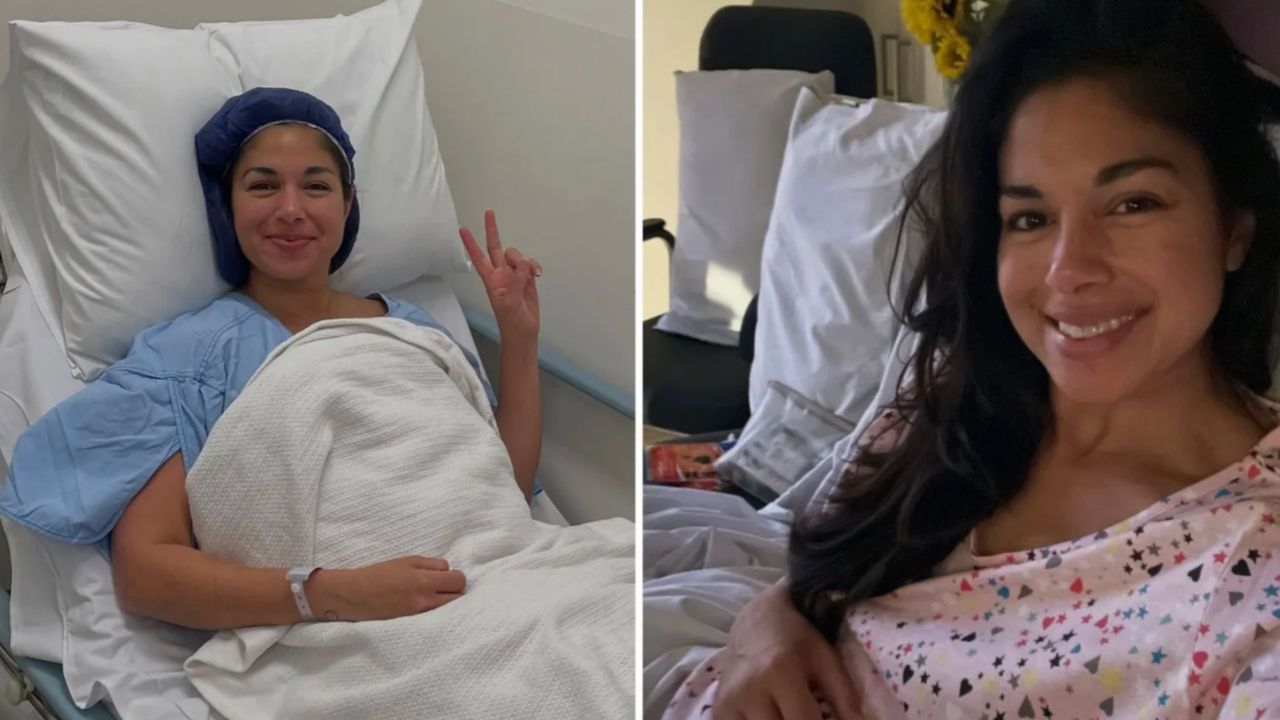
Australians living with a rare genetic form of motor neurone disease will have access to a cheaper treatment designed to slow the progression of the condition and help maintain muscle function.
From October 1, Qalsody will be listed on the Pharmaceutical Benefits Scheme (PBS), reducing the cost from $28,600 per script to a maximum of $25 – or $7.70 with a concession card.
The targeted treatment is for people with a rare genetic form of amyotrophic lateral sclerosis (ALS), a neurological condition that damages the nerve cells responsible for controlling muscle movement.
As the disease progresses, people can lose the ability to move, speak, swallow and breathe, affecting their independence and leading to increased disability.
Qalsody works by reducing the production of a protein known as SOD1, which can help slow the progression of the disease and help them maintain function for longer, and offers a new treatment for people with limited existing therapies.
The PBS listing is expected to help about 70 Australians each year, with the reduction in price representing a 99 per cent drop in the cost of the drug.
FightMND, a charity founded by late AFL icon Neale Daniher, and MND Australia have welcomed the investment.
“The listing of Qalsody for ALS on the PBS is a game changer for Australian patients,” Health Minister Mark Butler said.
“With every investment the Albanese government makes towards accelerating the development and delivery of new treatments for MND, we hope to honour the great legacy of Neale Daniher.
“We know research is the only option we have to discover new treatments, to bring hope and ultimately a cure for MND.
“That is why our government recently committed $40.1m to establish the Neale Daniher MND Clinical Network – to strengthen our efforts to find new therapies and improve quality of life for people living with MND.
“The new listing of Qalsody on the PBS for patients with Amyotrophic lateral sclerosis, is also ensuring Neale’s extraordinary legacy will continue to make a difference in the lives of Australians living with MND.”
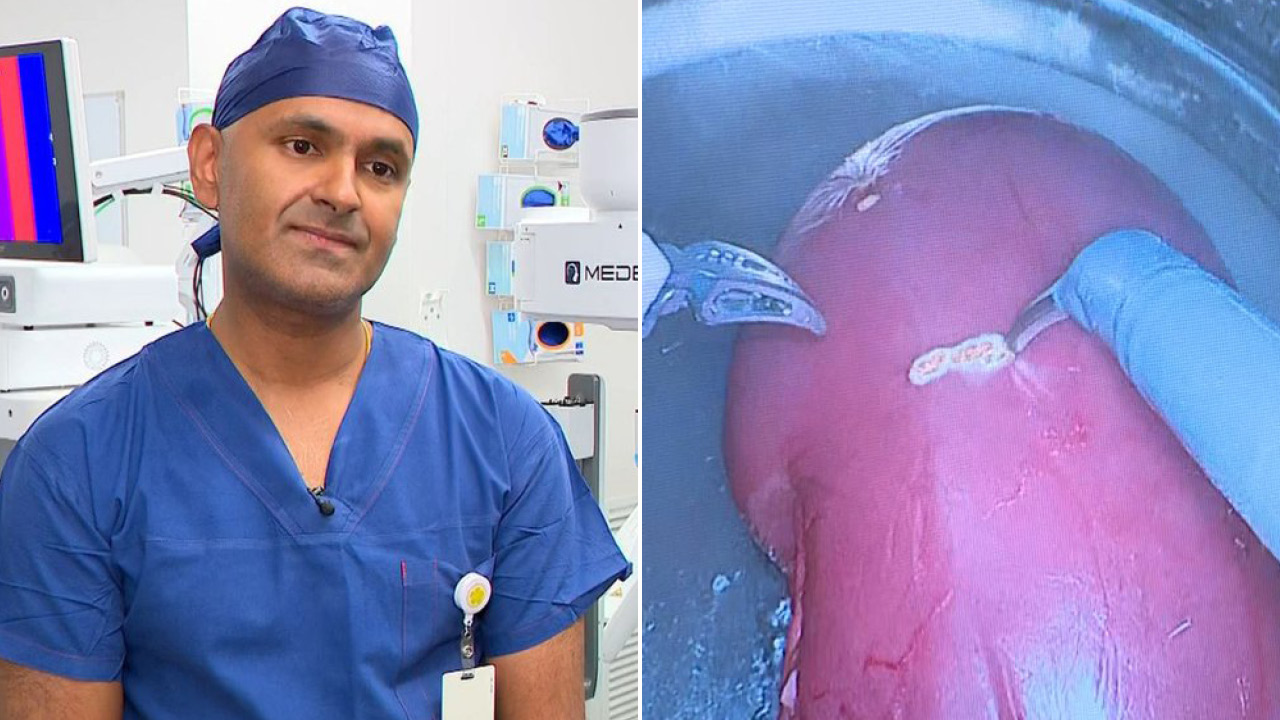
Macquarie University Hospital Head of Neurology Dominic Rowe said MND was one of the most devastating neurological diseases encountered, affecting both the patients and their families.
“Despite advances in care, the impact of MND in Australia continues to grow,” he said.
“For people living with SOD1-ALS, today’s announcement is particularly significant because we now have access to a therapy specifically designed to target the underlying genetic cause of their disease.
“This represents the culmination of more than three decades of research since the SOD1 gene was first identified as a cause of inherited MND.”
Image: Nine