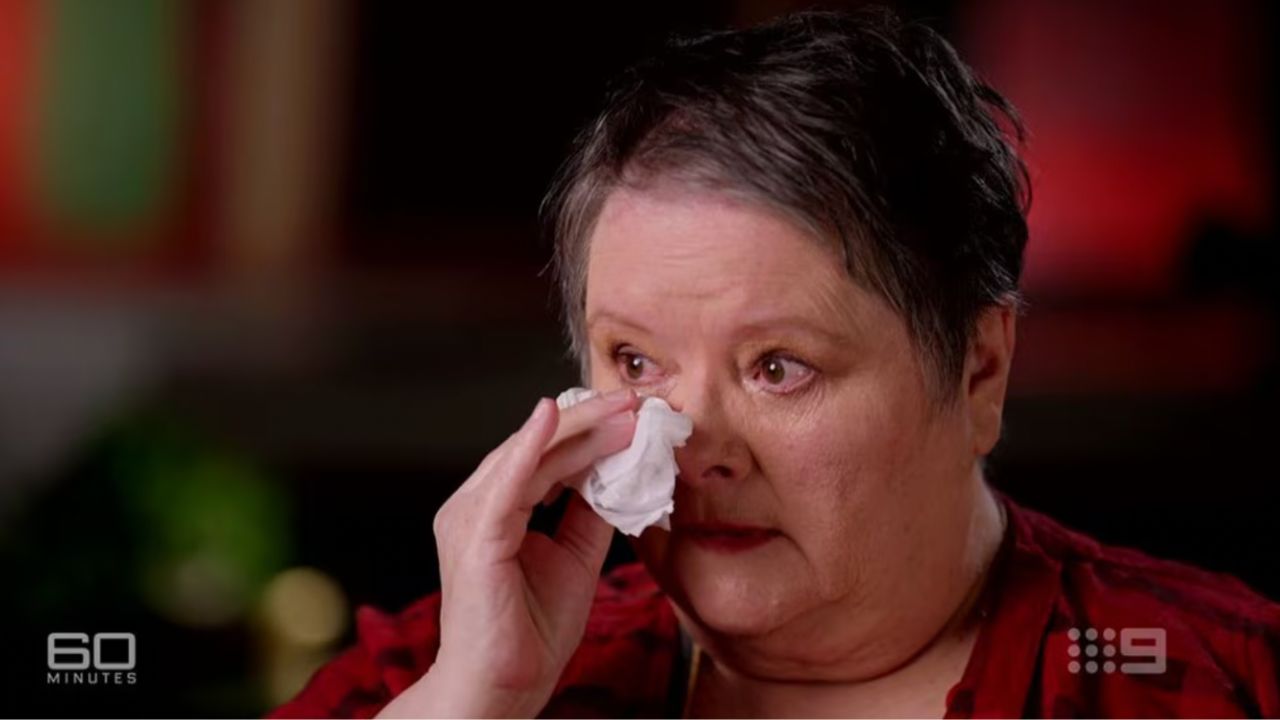
A Melbourne grandmother says she has been left permanently disfigured and traumatised after hospital staff allegedly confused her with another patient and performed the wrong operation.
Debra Buchanan had attended Joan Kirner Women’s and Children’s Hospital at Sunshine Hospital in January for what she believed would be a routine procedure to remove a cancerous skin lesion from her pelvic area.
Instead, surgeons removed a large portion of her external genitalia after she was mistaken for another patient with the same first name, according to an interview she gave to A Current Affair.
Ms Buchanan said there were warning signs before the operation.
“They called Deborah, and I said, ‘Did you mean Buchanan?’ And they said, ‘Oh yes, you’ll do’,” she recalled. “The woman next to me said, ‘I’m Deborah,’ and they said, ‘Oh no, we’ve got the right one’.”
Having worked as a dental nurse for many years, Ms Buchanan said she was shocked that staff identified patients by their first name alone.
The mistake only became apparent after she woke from surgery.
When she went to the bathroom, she experienced severe bleeding and asked a nurse why.
“She came in, I said, ‘Can you explain why I’m bleeding so badly?’ She said, ‘Oh, that’s part of the operation.’ And I said, ‘What operation?’ I said, ‘I had it on here,’ and as I touched it, it was still there.”
She said a junior surgeon appeared confused when she questioned why surgery had been carried out on a different part of her body.
After calling her husband to tell him the wrong operation had been performed, Ms Buchanan said she was discharged with little explanation.
She was later told the error stemmed from confusion between two patients named Debra and staffing shortages at the time.
To make matters worse, Ms Buchanan eventually had to return to the same hospital to undergo the procedure she originally needed to remove the cancerous skin lesion.
“I was terrified,” she said.
“Every time I have to go to the doctor, anxious; I’ve lost my confidence.
“You can’t make a mistake on a person. It’s not like breaking a cup. It’s life to them.”
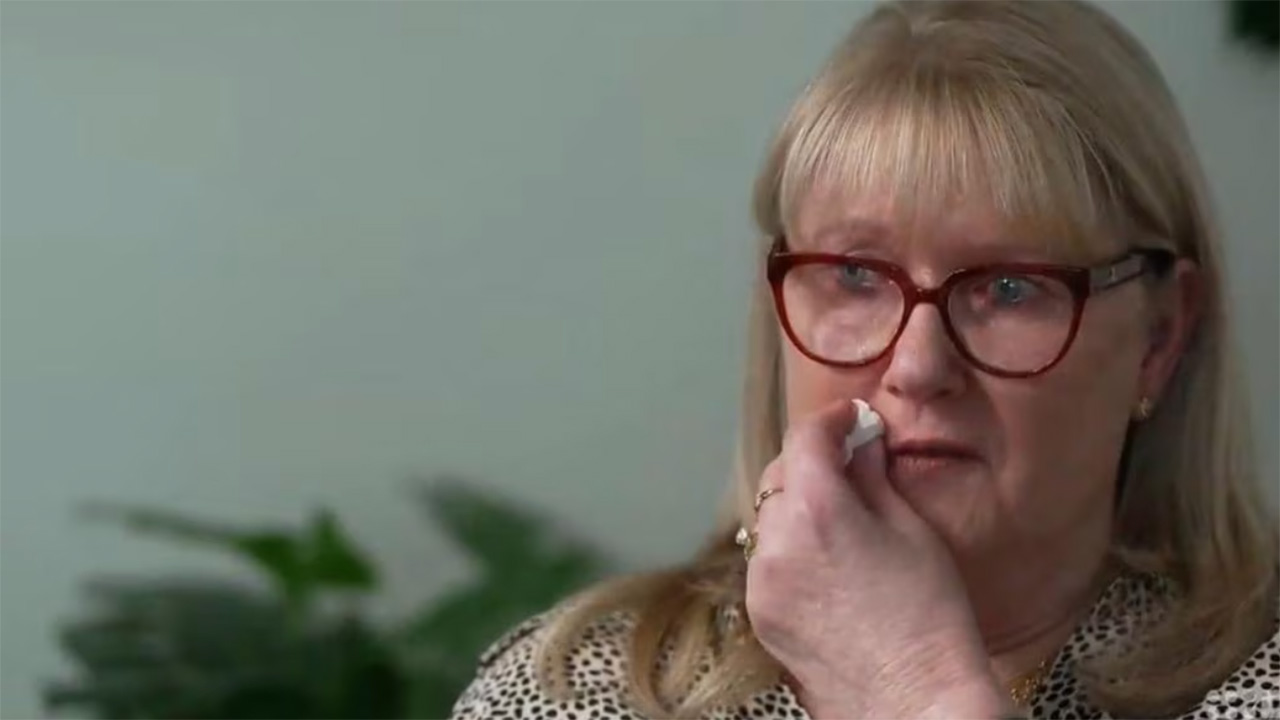
Medical negligence lawyer Erin Monsalve Fear described the case as extraordinary, saying the lack of informed consent was one of the most troubling aspects.
“The fact that she was never consulted nor consented appropriately for the surgery prior to it taking place, and I think that’s one of the biggest things that it boils down to,” she said.
In a statement, Western Health chief operating officer John Ferraro said patient safety remained the organisation’s highest priority.
While declining to comment on the individual case because of privacy obligations, he said that when an adverse event occurs, the health service apologises, meets with the patient, investigates what happened and shares the findings and actions taken to help prevent similar incidents in the future.