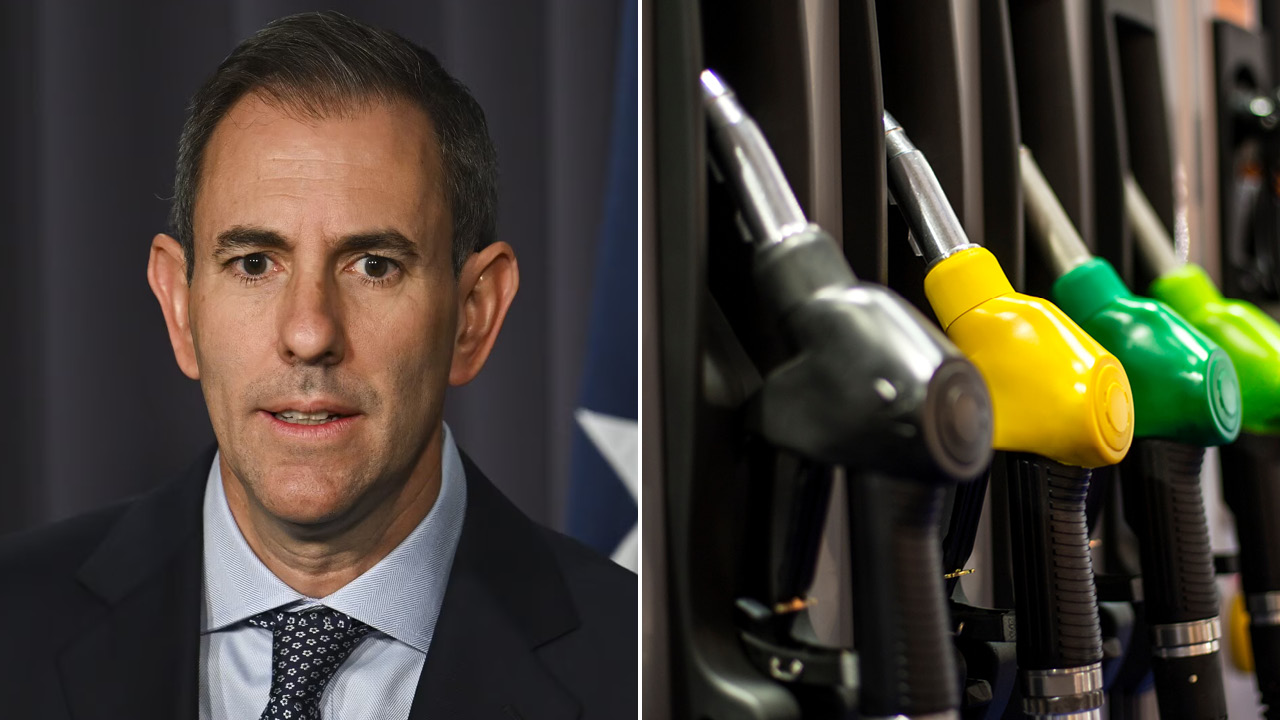
Treasurer Jim Chalmers has confirmed the fuel excise relief was never meant to last indefinitely. “It was never the government’s intention for [the discount] to be permanent,” Chalmers said on Wednesday.
The original reduction of 32c per litre finished in June. After that, the government kept the measure in place at a lower level, cutting fuel excise by 16c per litre. Chalmers said the government had intentionally begun scaling that back at the start of the month as part of broader cost-of-living support. “We began to taper that off at the start of the month, deliberately, so that we could provide a bit more cost of living help,” Chalmers said.
The NRMA says motorists should expect prices to edge higher from Monday, though it does not believe petrol costs will surge. “Our message to the public is: We know fuel prices are going to go up on Monday and beyond. We don’t know by how much,” NRMA spokesperson Peter Khoury told SBS News. He said the likely increase would be relatively small, though it would vary between outlets. “We would expect average prices to go up a few cents per litre … but it really depends on the service station.”
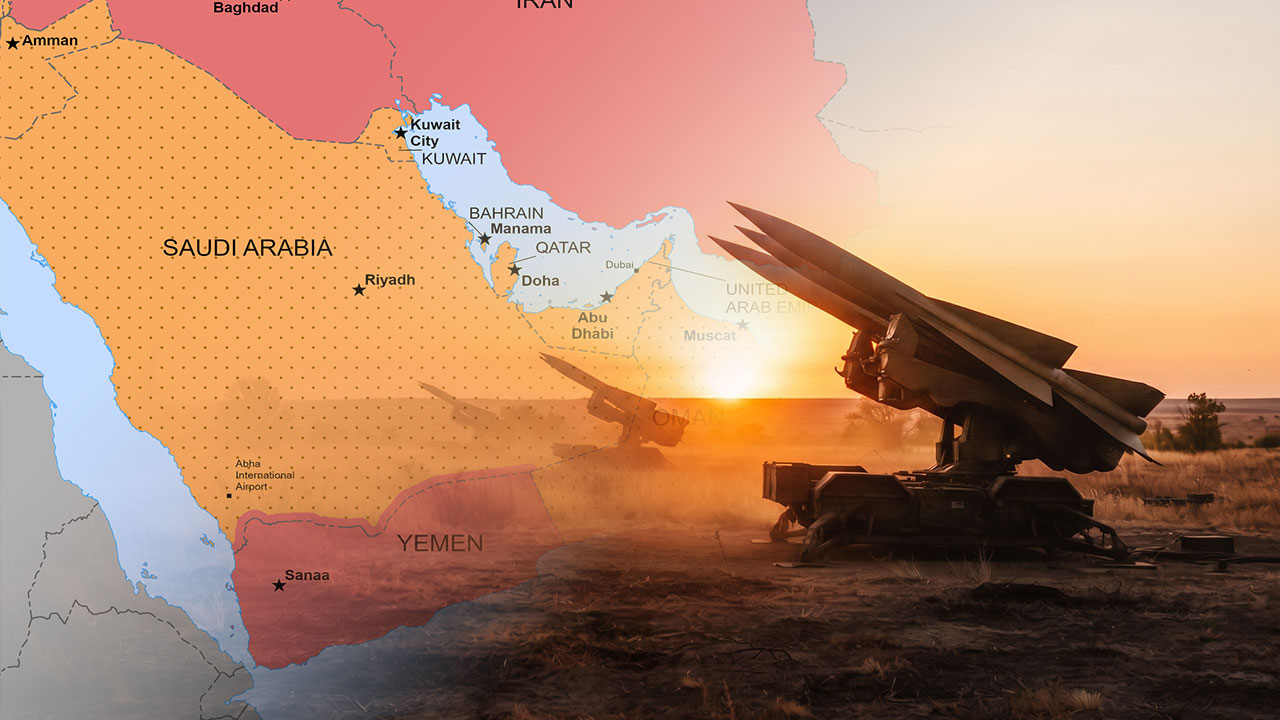
The government’s decision closes out weeks of speculation about whether the excise discount would be prolonged after Iran resumed its blockade of the Strait of Hormuz, jolting world oil markets for the second time since the US-Israeli attacks on the Islamic Republic in February.
Khoury said international oil markets had already started reacting to news on Monday that bombing had stopped on both sides, with benchmark unleaded prices falling. If that stability holds, he said it will “definitely negate the increases we’re going to get from the tax being reintroduced”. He also said fuel companies had not aggressively lifted prices in recent weeks. “We’ve seen a lot of restraint from the oil companies in the past few weeks,” he said. If global oil prices keep easing, he added, it would “cushion the blow” of upcoming price rises in Australia.
According to Khoury, the impact of the excise change will not hit all at once. “It will be gradual, it won’t be immediate,” he said. He urged drivers not to rush to fill up, saying most retailers would not suddenly add the full amount. “Not every service station is going to put their price up by 17 cents a litre. In fact, almost none will. So please don’t go out and panic buy.”
He said the eventual increase is expected to be nearer 17 cents per litre than 16 cents because the end of the discount coincides with indexation. “We think it’s going to be another cent because of the inflation adjustment, which also just happens to land on the same day [Monday] they do that twice a year.”
Khoury said the amount passed on to drivers will differ from one retailer to another. “We don’t want people to panic because some service stations will go up on Monday and others won’t; it really depends on when they sell their stock.”
This change is arriving while pump prices are already trending upward. “The national average for unleaded is about $1.93, and we’re expecting that to continue to increase based on the increases we’ve seen for wholesale prices,” Khoury said. That is 13 cents higher than the $1.80 per litre figure recorded by the Australian Consumer and Competition Commission as the average petrol price in major cities on 22 July.
Federal government figures show that as of 21 July, Australia has 42 days of fuel reserves. Over the next four weeks, 3.1 billion litres of crude, diesel, jet fuel and petrol are expected to arrive.