A woman has been taken to hospital after an eastern brown snake became caught in her bike chain and bit her on the thigh while she was riding near Burringbar in northern NSW.
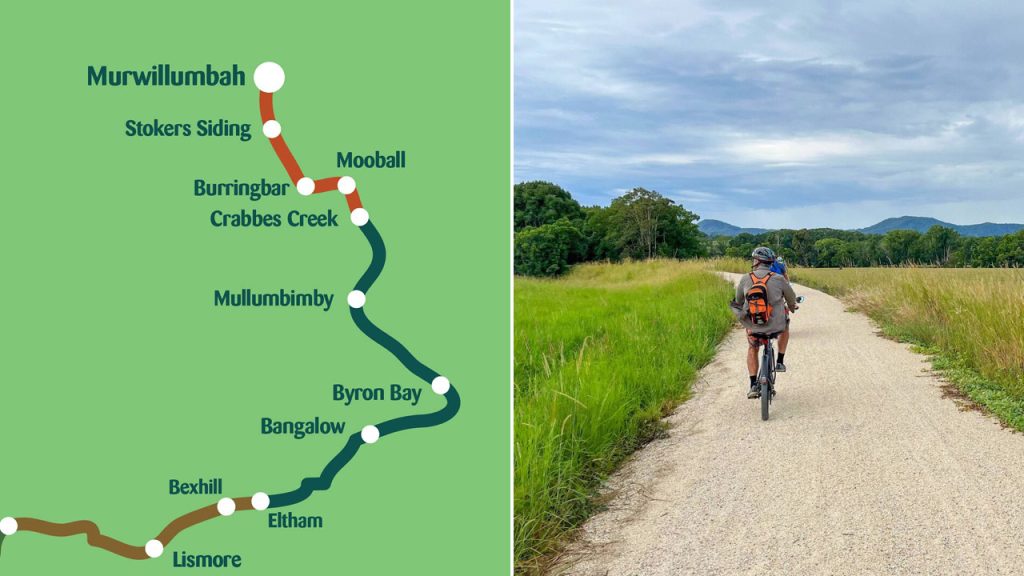
The incident happened about 1pm on Wednesday on the Northern Rivers Rail Trail near Burringbar, about 33km northwest of Byron Bay. The woman, who is in her 60s, was riding along the trail when she ran over a 2m eastern brown snake.
NSW Ambulance responded to the scene before transporting her to Tweed Valley Hospital.
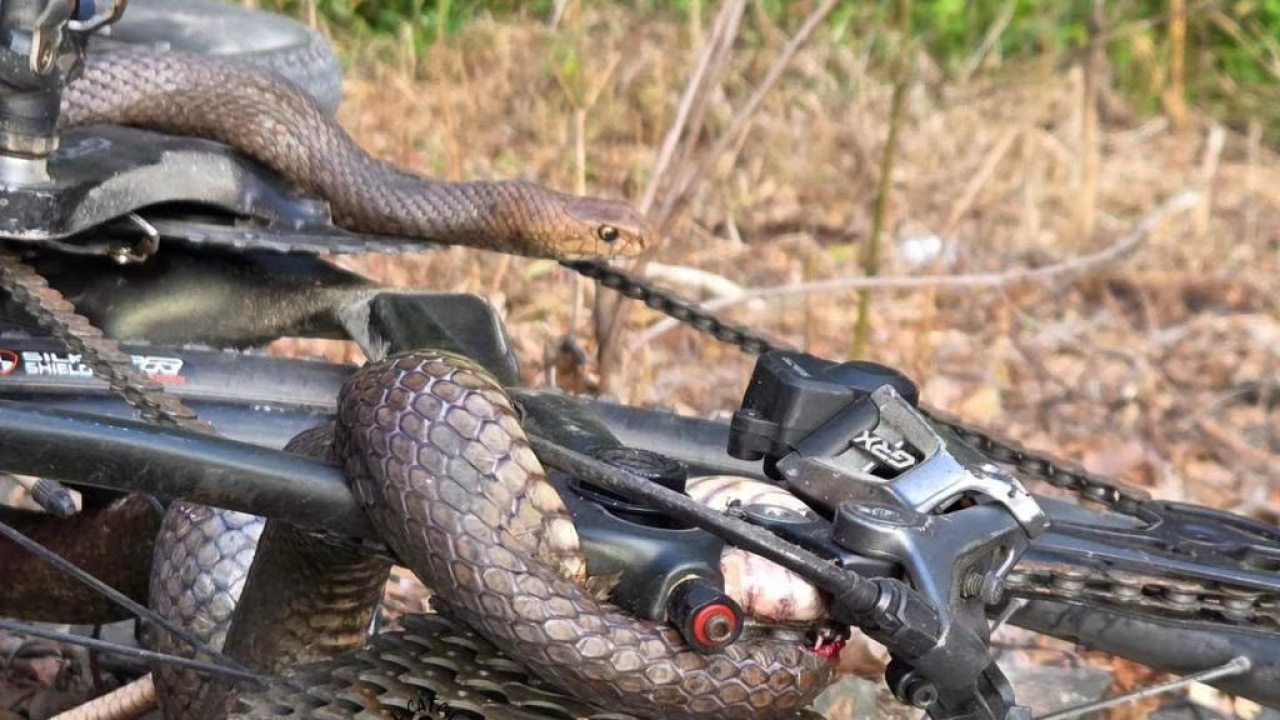
After the bite, Tweed Valley Wildlife Carers contacted venomous snake rescuer Sarah Mailey from I’ll Catch It Snake Relocations to remove the snake from the bicycle. Ms Mailey met police, who escorted her to the bike, where she found the injured snake tangled in the chain.
“I believe (the woman) rode over the snake, and the snake, as it got hit sort of flung up and got caught in a chain and bit her,” Ms Mailey said.
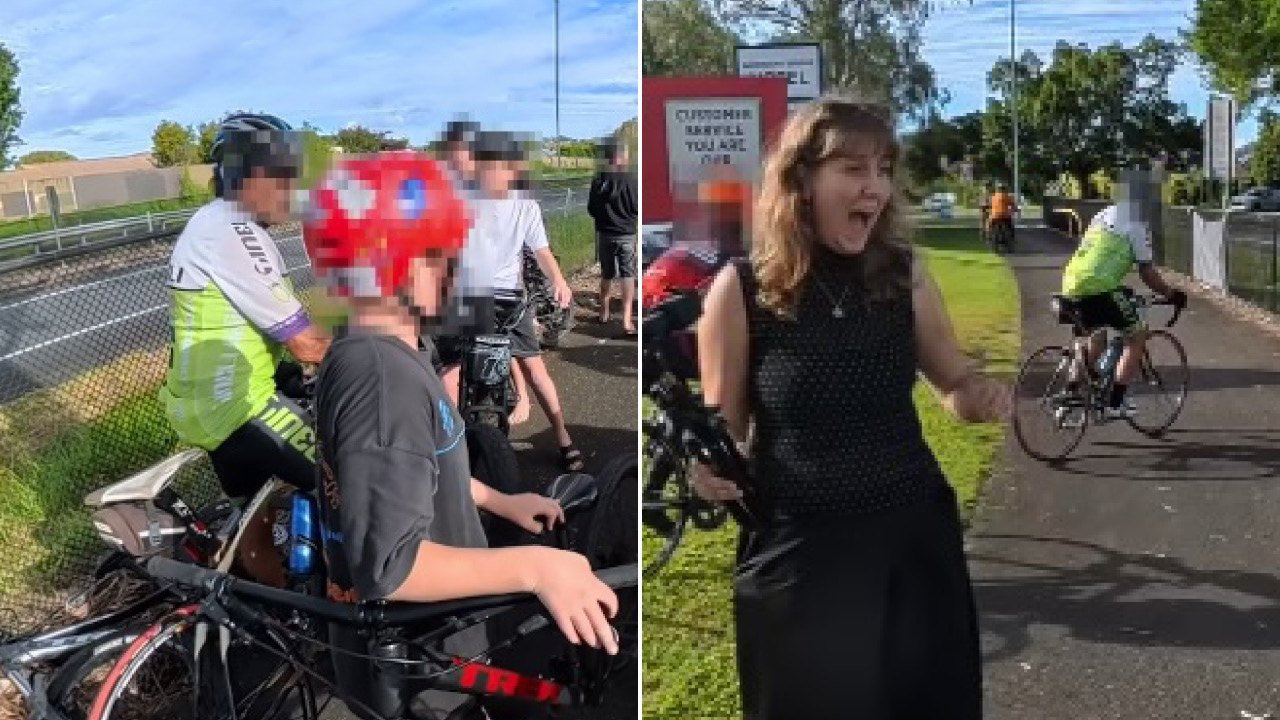
Police and bystanders helped the rescuer as she worked to free the highly venomous animal from the bike.
“Once they could help me untangle it I had to contain the snake, put it in a bag, take it away, and unfortunately euthanise it due to the extent of the injuries,” she said.
Ms Mailey said the situation itself was not especially complicated, but it carried obvious danger because of the position of the snake.
“It wasn’t a difficult one, it was more just dangerous because I had to contain the head, I couldn’t exactly untangle the snake.
“If it wasn’t for the members of the public and the police being brave enough to assist, I would have had to hold the snake and wait for someone else to come and assist.”
She said snakes are generally less active in winter, but it is still normal to see them moving around at times. According to Ms Mailey, they usually settle into a place for winter during April and May and remain there unless a warmer spell draws them out.
“If it warms up enough it gives them a false sense of security that it’s warm outside so they’ll bring themselves out,” she said.
“They might stay out for half an hour, and they might go a couple of meters just trying to temperature regulate.
“Once they realise they’re not getting that warmth that they need, they just go straight back into their chosen spot, and then they stay there until August, September.”
She said the snake in this case had most likely been sitting near the edge of the track when it was accidentally run over.
“They’ll curl up and won’t move a muscle, from a distance it could definitely be mistaken for a tree or a branch or a leaf or even a shadow,” she said.
Ms Mailey urged anyone heading onto trails or into bushland to carry a compression bandage and to understand snake bite first aid in case of an emergency.
“Eastern browns are definitely are one of the snakes that do cause the most bites, I don’t believe that they’re an aggressive species, I just believe that they’re defensive when they’re feeling threatened,” she said.