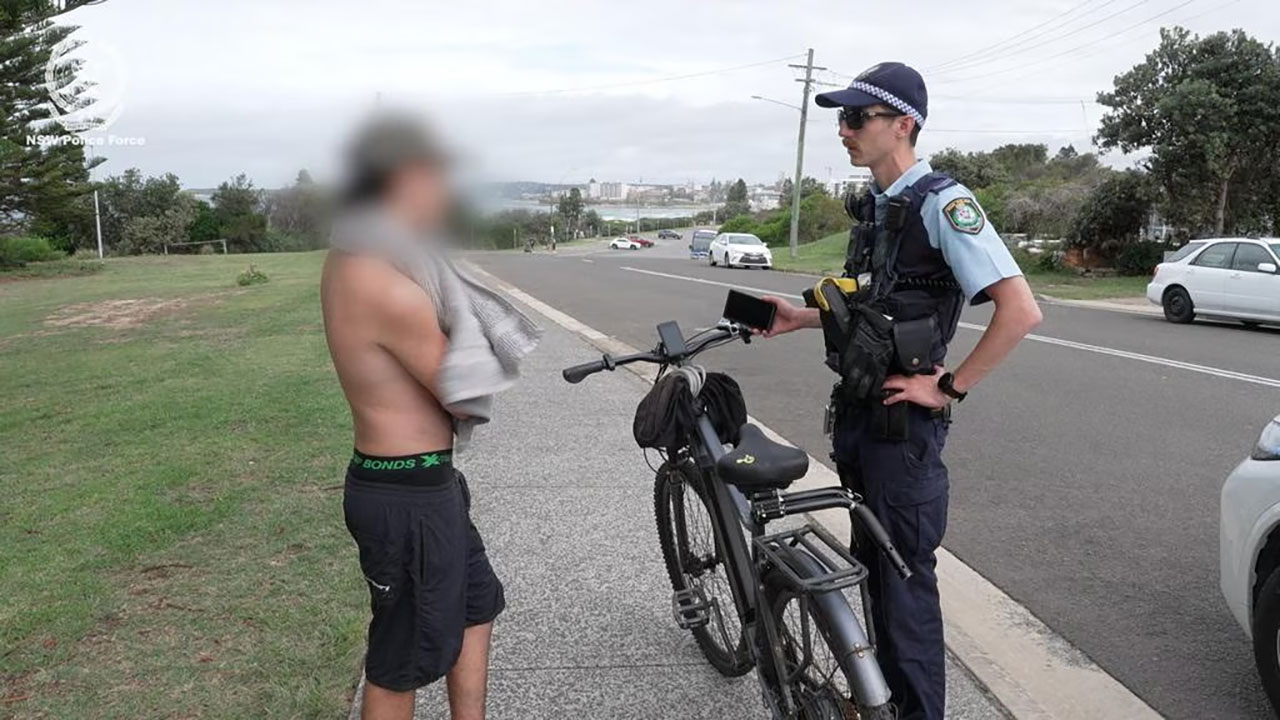
A bureaucratic decision made in 2021 is now being blamed for Australia’s worsening e-bike crisis.
The change was made to the Road Vehicle Standards Act by then Deputy Prime Minister and Transport Minister Barnaby Joyce and Assistant Minister Kevin Hogan. It removed the requirement for e-bikes entering Australia to meet European safety standards.
The amendment was never debated in parliament, with the government describing it as “relatively minor in nature” and having “minimal regulatory impact”.
The shift was so poorly publicised that Bicycle Industries Australia did not learn about it until four months later.
The result, critics say, was a years-long surge in high-powered, non-compliant e-bikes entering the country, including models exceeding Australia’s national 250W power limit.
The market has since exploded. About 9,000 e-bikes were sold in Australia in 2017. By 2022, sales had climbed to around 200,000. This year, the industry expects roughly 300,000 more e-bikes to arrive on Australian streets.
At the same time, safety concerns have intensified. Research has found riders aged 10 to 25 are more vulnerable to life-changing injuries on e-bikes than on regular bicycles. Last month in Sydney, a 14-year-old girl riding an e-bike was taken to hospital with a head injury after being hit by a car.
Hospital data reflects the growing pressure. Since 2020, e-bike-related emergency admissions in Victoria have risen by more than 400 per cent. St Vincent’s Hospital in Sydney has recorded a similar jump between 2023 and 2025.
Some industry leaders say the problem goes beyond e-bikes and points to a broader failure in oversight.
“Australia has developed a dangerous habit of assuming compliance rather than verifying it,” Weld Australia CEO Geoff Crittenden said.
“Products arrive in the country, documentation is provided, boxes are ticked, and everyone assumes the product complies with Australian requirements. Too often, nobody actually checks.”
He said local businesses are required to spend heavily on quality systems, certified staff and inspection processes, while imported products often face far less scrutiny.
“When governments focus exclusively on reducing red tape without considering verification and enforcement, the result is often more risk, more remediation, more enforcement costs and, in some cases, more injuries and deaths,” Mr Crittenden said.
“Compliance is not red tape. Compliance is the mechanism that protects consumers, workers, taxpayers and businesses.”
State governments and police forces are now trying to catch up.
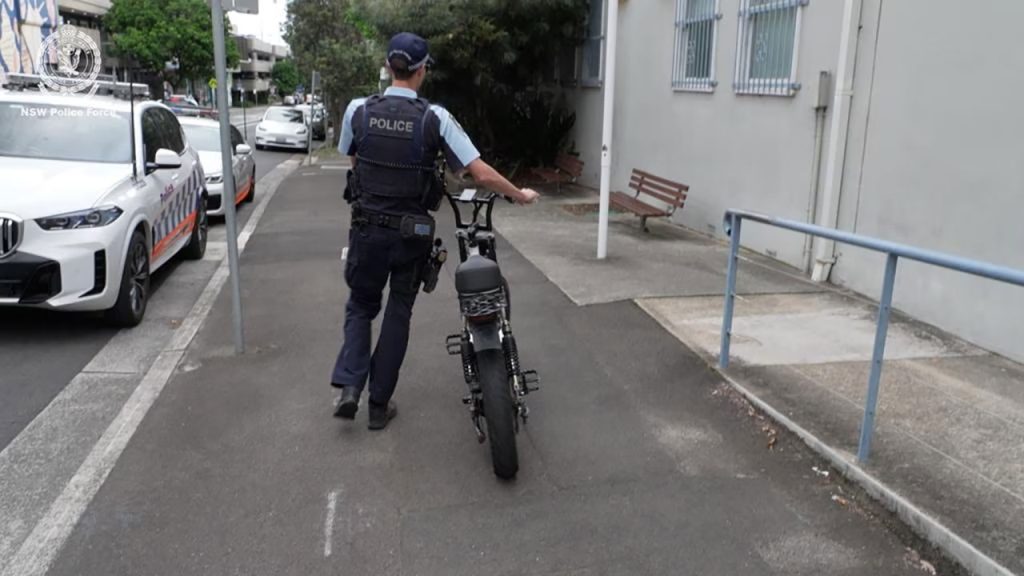
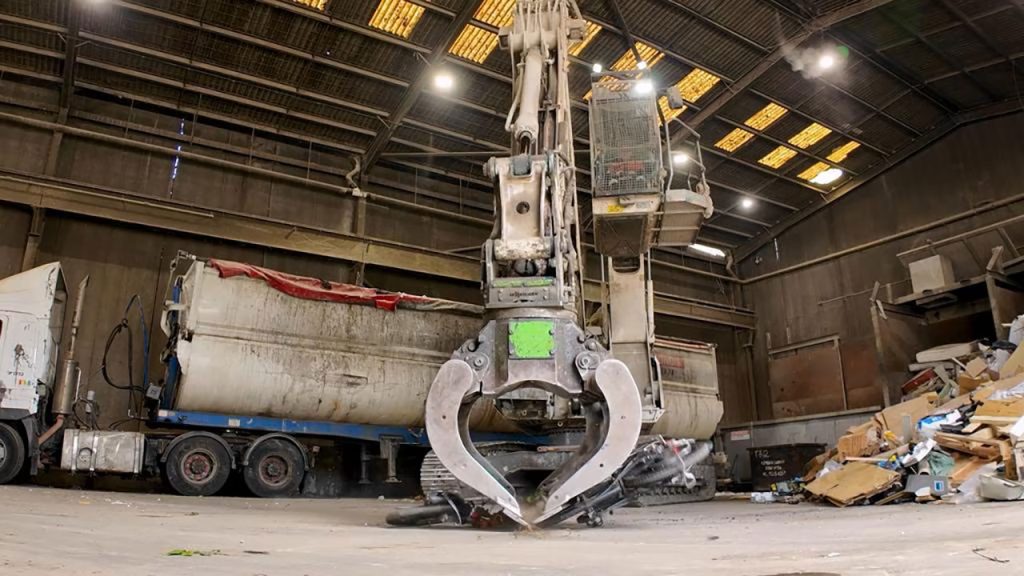
In New South Wales, police earlier this year carried out a two-day operation that led to 170 fines and cautions for almost 100 riders. New laws passed in March also gave officers the power to seize and crush illegally modified e-bikes. The legislation, the first of its kind in Australia, is aimed in part at bikes capable of exceeding the 25km/h speed limit.
Queensland police have also run operations targeting dangerous e-bike use during school morning drop-off periods.
Queensland has recently softened a proposed ban on under-16s riding e-bikes and e-scooters. Under the revised approach, children aged 12 to 17 will be allowed to ride an e-bike under parental supervision, with parents facing fines if a child under 16 rides illegally. Riders aged 16 and over who hold at least a learner’s permit will be allowed to ride unsupervised.