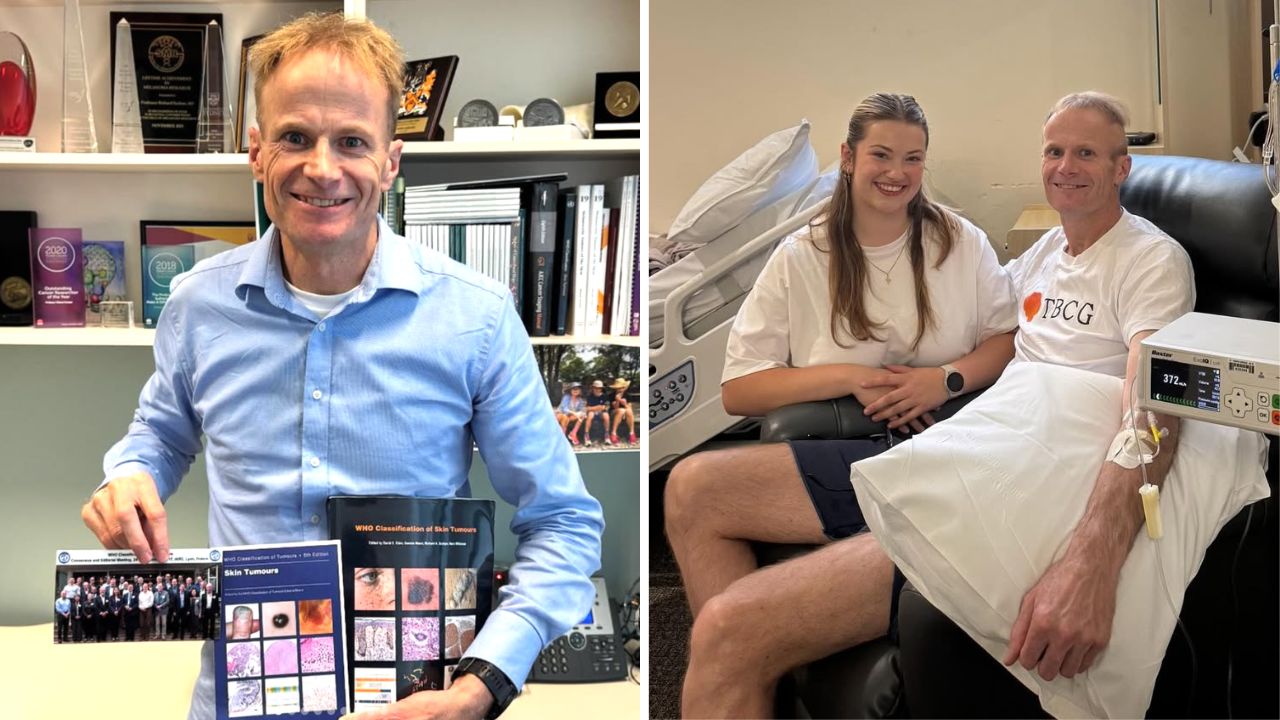
Cancer researcher and former Australian of the Year Professor Richard Scolyer has passed away aged 59.
Scolyer died after an almost three year-long battle with glioblastoma, an aggressive form of brain cancer.
The beloved Aussie doctor passed away on Sunday night, with his family saying his selfless legacy “will never be forgotten”.
Professor Scolyer’s brother-in-law, Charles Nicholl, shared a statement on behalf of the family, confirming he passed away peacefully surrounded by his wife and three children.
“His family meant everything to him and his passing has left a big hole in our lives,” Nicholl said.
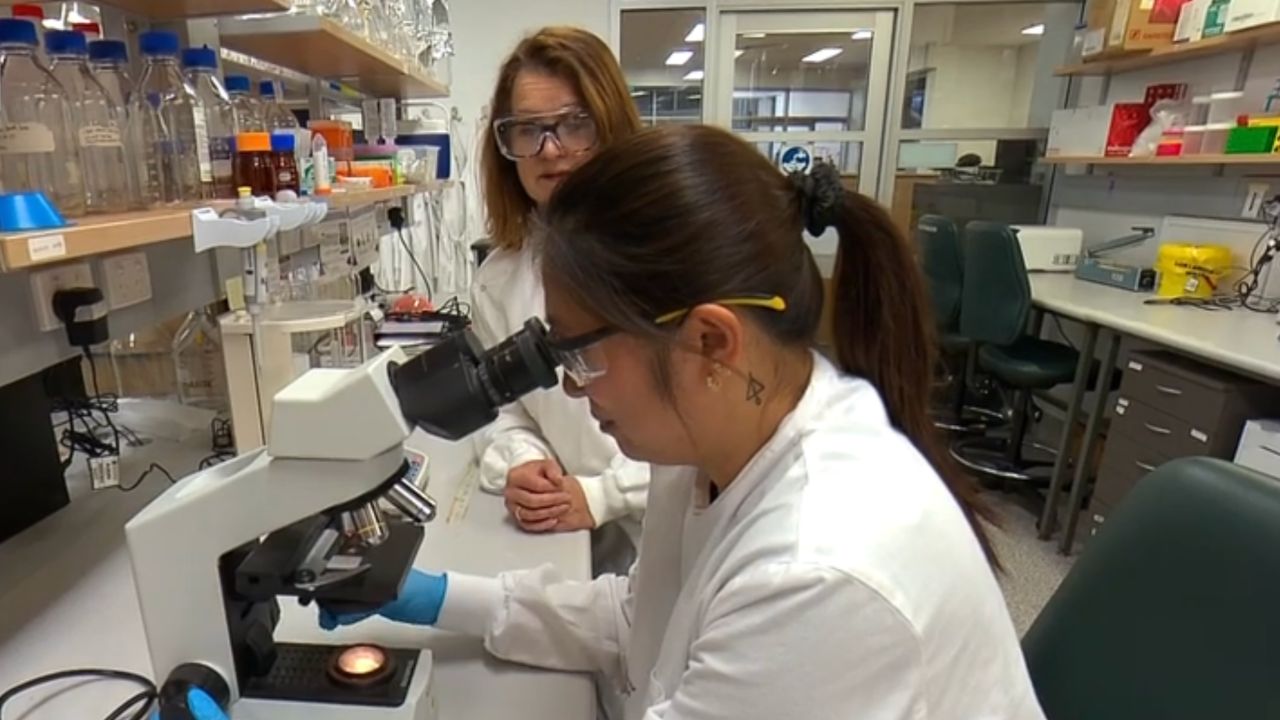
Professor Scolyer and Professor Georgina Long, pioneered immunotherapy research, which became the experimental treatment used for his own brain cancer.
In 2023, he was only given months to live, but thanks to the treatment, he defied the odds. Sadly, cancer returned in February last year.
“He continued to communicate, explaining the world-first experimental treatment he had taken on, candidly sharing his own ups and downs with fellow cancer patients and the world,” Nicholl said.
“He challenged conventions, pursued funding, and for three years whilst suffering through illness and impacts of his treatment, he rose daily without complaint and committed passionately to this cause.
“His rationale was simple: he wanted to continue to make a difference, and he wanted cancer patients to know they weren’t alone.”
Nicholl continued his statement, saying that Professor Scolyer will be remembered for being a family man.
“Richard was a great mentor to his children. All share his and Katie’s [his wife] thirst for knowledge and energy for life,” he said.
“They were and remain Richard’s biggest champions as he forged a new path following his brain cancer diagnosis to help other patients who would follow.”
Nicholl added that Professor Scolyer will live on through his research, impact on brain cancer treatment and transparency around battling the disease.
“Our family will continue Richard’s advocacy for greater investment in brain cancer research to ensure his legacy saves lives well into the future.”
He thanked Australians for their love and support and encouraged people to donate towards brain cancer research.
“It is now time for us to come together privately as a family to support each other as we grieve and share our wonderful memories of a remarkable person,” he concluded.
Professor Scolyer penned an open letter that was published after his death, where he reflected on his life, family and incredible achievements, revealing that he would like to be remembered as a “proud everyday Aussie who ‘gave it a crack’“.
Extracts of his letter, which he called his “final farewell” have been shared on his social media pages.
A state funeral will be held in honour of the researcher, Prime Minister Anthony Albanese has confirmed, saying that Australia has “lost one of our brightest lights and one of our biggest hearts”.
“Professor Scolyer walked his ‘uncertain path’, as he called it, with courage, determination, and grace, and his legacy will always be with us,” he said in his tribute.
“And one day when a cure is found, Richard’s name will be spoken.”
Albanese and the professor were once neighbours and lived in Camperdown, Sydney’s inner west for years. The prime minister called Scolyer a “personal friend”.
“The hearts of all Australians go out to his wife, Dr Katie Nicholl, who I spoke with this morning and offered a state funeral for Professor Scolyer, which has been accepted,” he said.
“It also goes to their children, who are loved so dearly: Emily, Matthew, and Lucy, Richard’s mother and father in Tasmania and brother Mark.”
Tributes have also poured in from Melanoma Institute Australia, where he worked over two decades. They praised his commitment and advocacy for cancer research, and remembered him for his “enthusiasm for life and his genuine humanity”
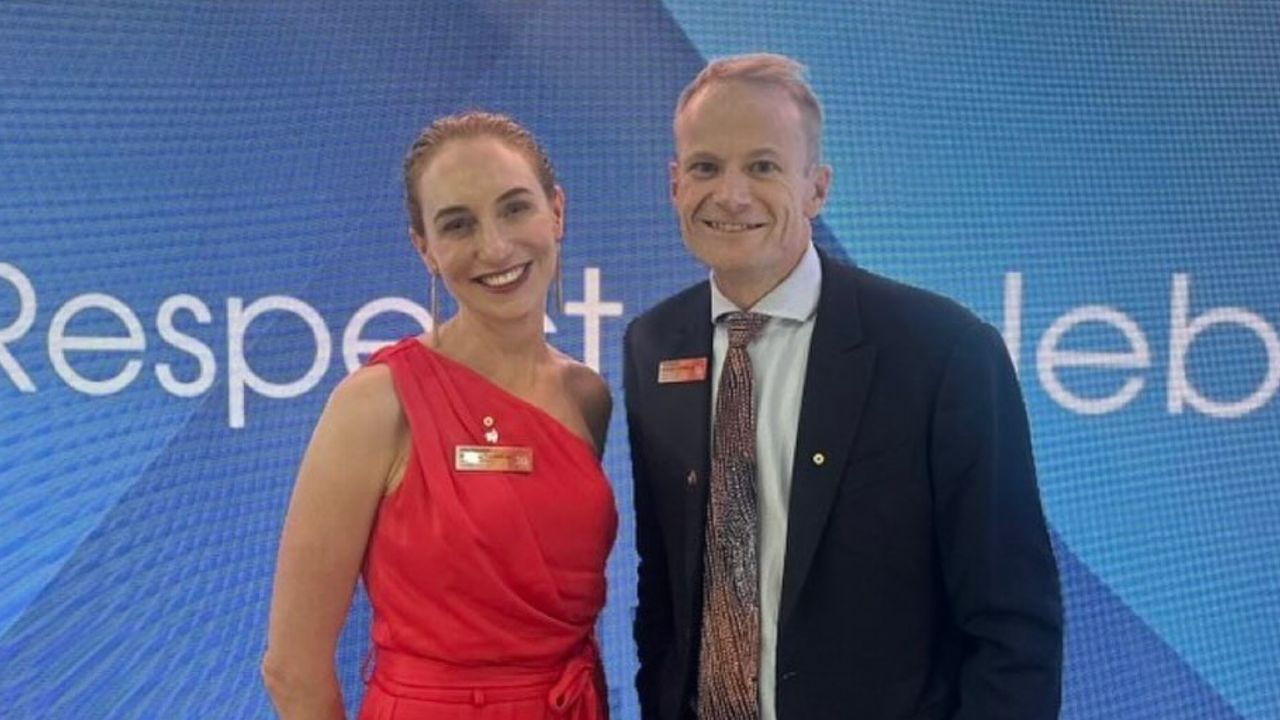
Professor Long, his colleague and fellow 2024 Australians of the Year awardee, said she was “deeply saddened to lose such a cherished colleague.”
“Richard was a truly extraordinary pathologist … who also made generous time for clinicians navigating complex diagnostic cases, understanding that an accurate tissue diagnosis was critical to patient care.”
New South Wales Premier Chris Minns also paid tribute to the “pioneering scientist”saying he was “an inspiring example of grace in his final years”.
“He faced his disease with optimism, with a smile, and with a deep sense of purpose,” he said.
“In the end, life is the ultimate legacy. And thanks to Richard Scolyer, Australians have been given more life, more time, more hope.”
Images: Instagram