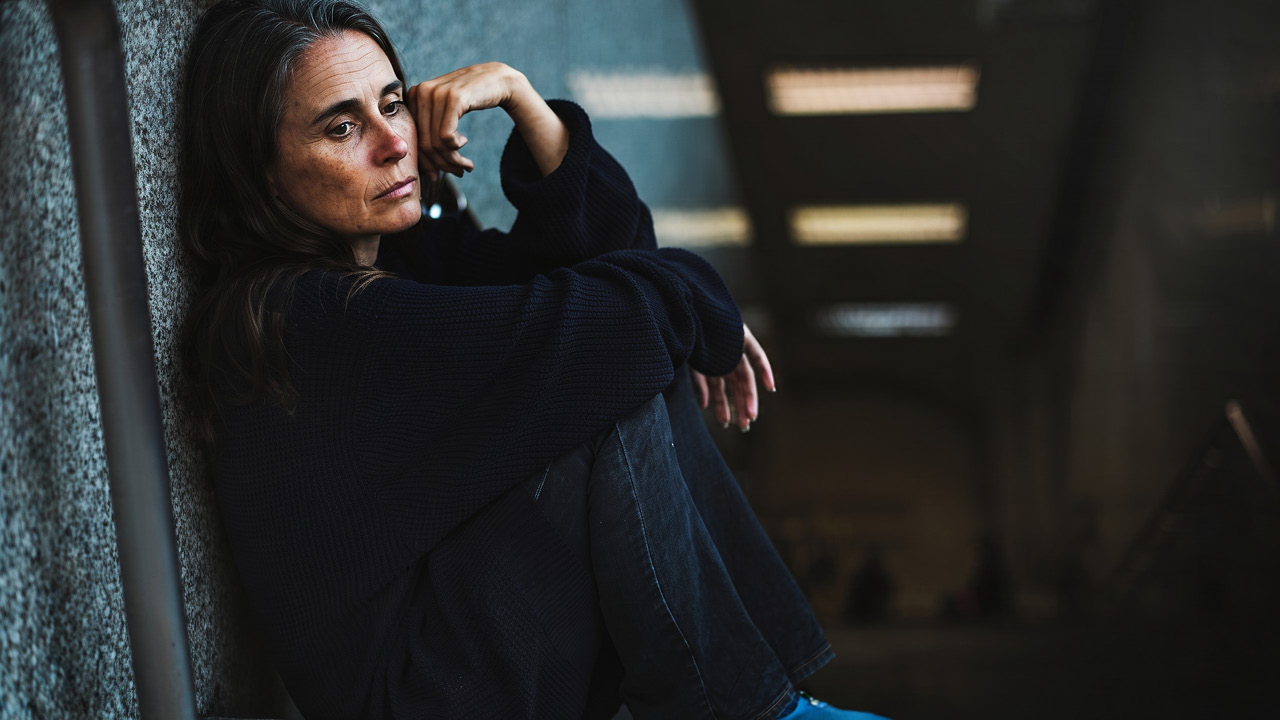
StreetSmart has recently distributed $100,000 to 20 organisations on the frontline in communities across Australia, backing services that help women who are unhoused. Together, those groups are assisting women to access safe housing, escape violence, build financial security and tackle the barriers that can drive homelessness. Many of the funded organisations are working to help women secure or hold onto stable housing before their circumstances spiral into crisis.
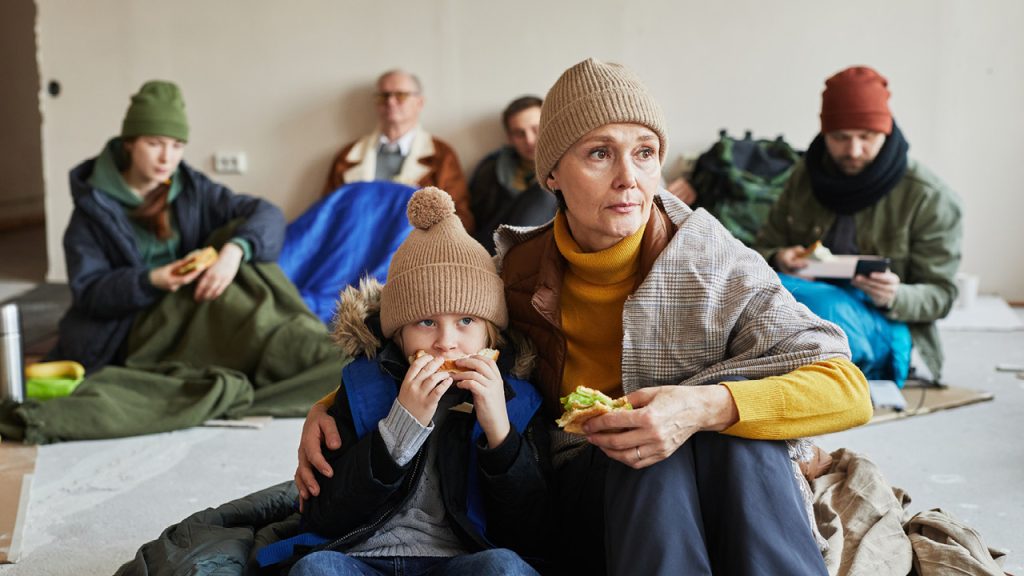
One of them is Queensland women’s support centre WillowTree 37, which offers women in need a safe space and a new beginning where they can grow stronger. Its grant has helped provide emergency supermarket vouchers, fuel assistance, clothing, household essentials and short-term accommodation support for women facing immediate crisis.
In Melbourne’s eastern suburbs, Kara Family Violence Service provides high-security crisis accommodation for clients affected by family violence. The not-for-profit organisation, which offers safety, support and education, is using extra funding to help women and children escaping violence deal with one of the biggest obstacles to long-term housing, the upfront costs involved in securing a private rental when social and public housing are in short supply.
Kara Family shared the words of a victim-survivor with 7 News, who said the service made an enormous difference during a traumatic period.
“I would like to express my sincere gratitude for the support, care and guidance you have provided me during one of the most difficult periods of my life,” the client said.
Another Melbourne organisation, The Council of Single Mothers and Their Children, is directing funding towards the practical costs that can stand between a family and secure housing. That support may include moving costs, household essentials and help establishing a new home.
The funding push comes as alarming data from StreetSmart shows women aged 55 to 59 are one of the fastest-growing groups experiencing homelessness in Australia. The charity also says more than a third of single women over 60 are living in poverty.

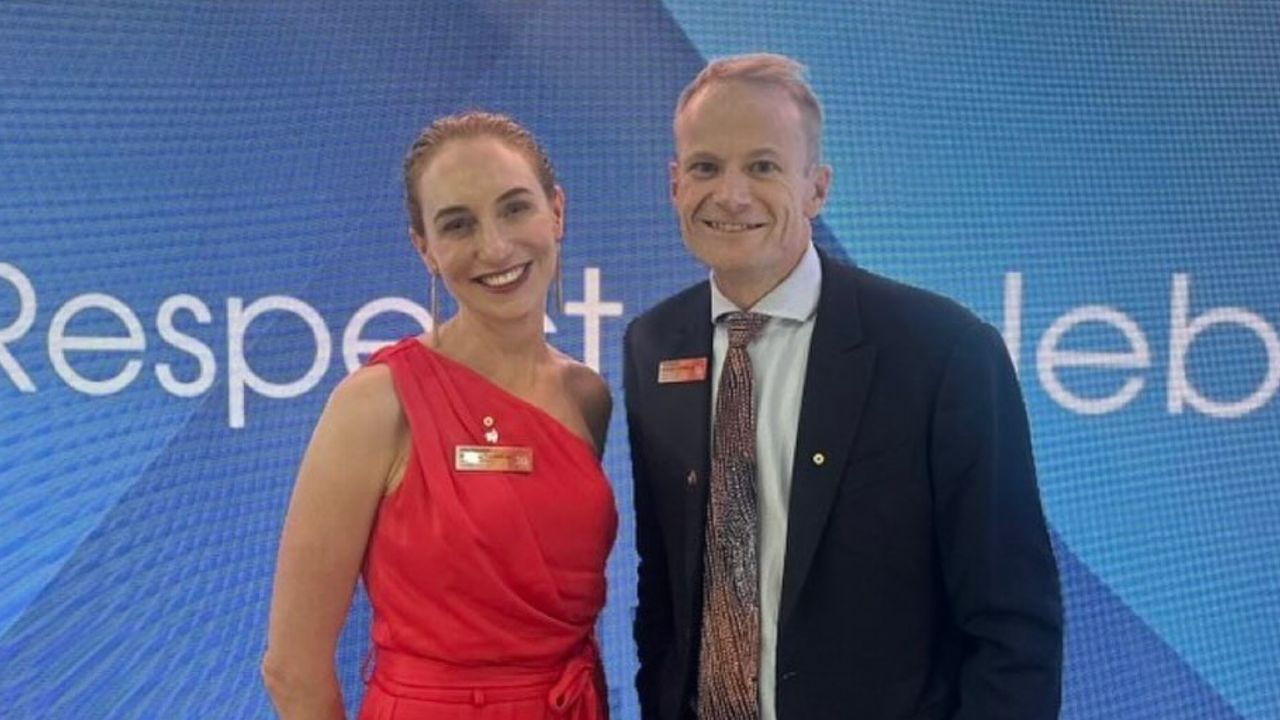
StreetSmart CEO Alan White told 7 News that women’s homelessness is a major focus for the charity.
“Particularly given the rise in homelessness driven by domestic and family violence, as well as the growing number of women over the age of 55 experiencing homelessness,” White said.
“It’s one of the fastest-growing cohorts of people at risk, and an issue that deserves greater attention.”
According to White, women often face pathways into homelessness that are both distinct and overlooked. For women in their 50s, family and domestic violence remains a leading cause, while lifelong financial inequality, insecure work, caring responsibilities and a severe shortage of affordable housing are leaving more women exposed to housing insecurity than ever before.
“Women with children have to make the choice of staying in an unsafe environment, heading out into shelters that aren’t well equipped, sleeping in cars or couch surfing,” White said.
“So really, equally unsafe environments.”
Older women are particularly vulnerable because many from this generation do not have significant superannuation, did not have equal pay for a period of time and do not have the networks or systems available to them.
“Often the organisations they’ll seek out for are the local community groups, grassroots, neighborhood centres,” White said.
“They are often the front line of response for women.
“That’s not to say that larger organisations don’t do amazing work, they certainly do, but it’s just a different type of response.
“Trust in community is so important for these women.”
White said StreetSmart decides where money should go by combining research with direct insight from community organisations. The charity looks closely at the data around homelessness, the groups emerging most at risk and the factors driving the crisis, while also listening to the experience of the grassroots services it funds.
“We look at what the data is telling us about the presences of homelessness, what lots of cohorts are emerging or the percentage of drivers of homelessness,” White said.
“There are over 1200 grassroots, small organisations, that we’ve provided funding to, so we also ask them what they’re seeing on the ground.
“The last piece of the puzzle is that we try to, where possible, keep funds local to where they’re all raised.”
He said the role of small community organisations is especially important because trust is often what encourages women to seek help in the first place.
“The outreach that small community organisations will do is really critical,” White said.
“But it’s outreach that is all about building relationships, building trust, building community, so that people feel comfortable making that first approach.”