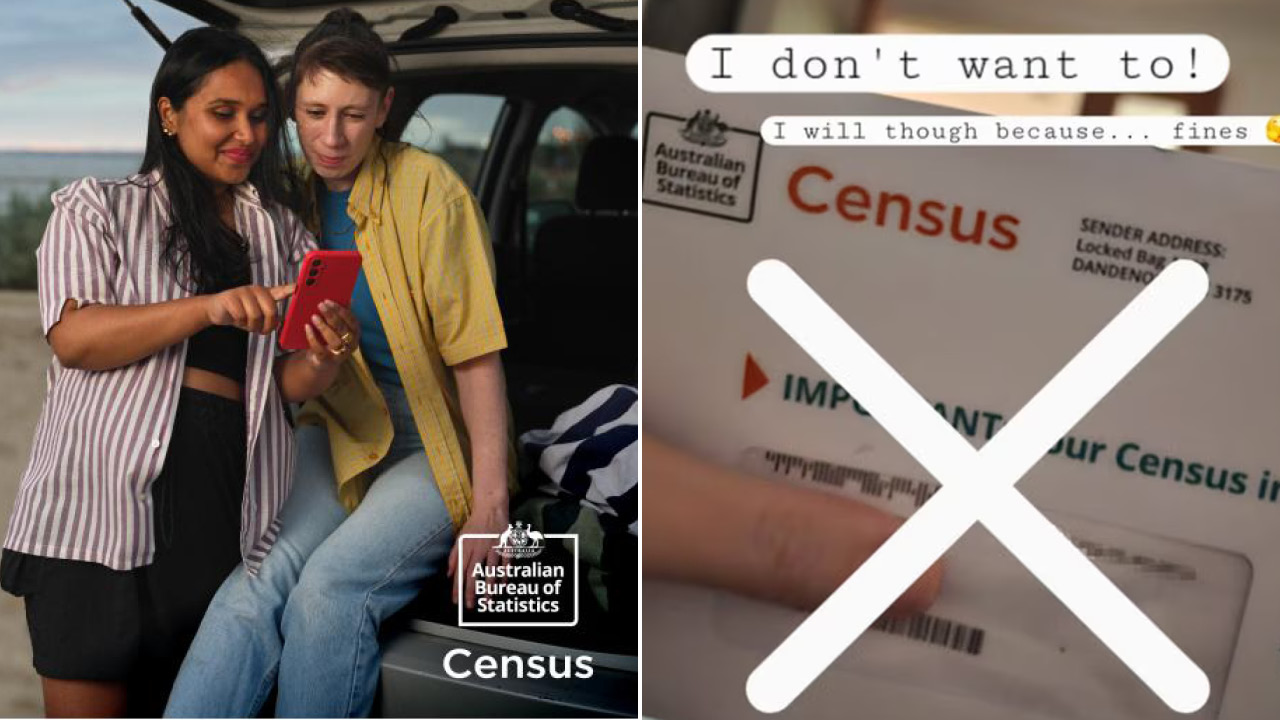
Australians were required to complete the census on Tuesday night, the once-every-five-years national count conducted by the Australian Bureau of Statistics to produce a snapshot of the country. Every household must take part, and this year’s form contains 66 questions on subjects including address, household members, cultural background, education, income, work and how people travel to their jobs. The requirement is not limited to citizens. Anyone in Australia on census night, including tourists and people on temporary visas, must be counted.
For those who refuse, the consequences can be costly. The ABS can issue another notice directing someone to complete the census and, if they still fail to comply, they can be fined up to $364 for every day it remains unfinished. Giving false information is also an offence and can bring a fine of up to $3640.
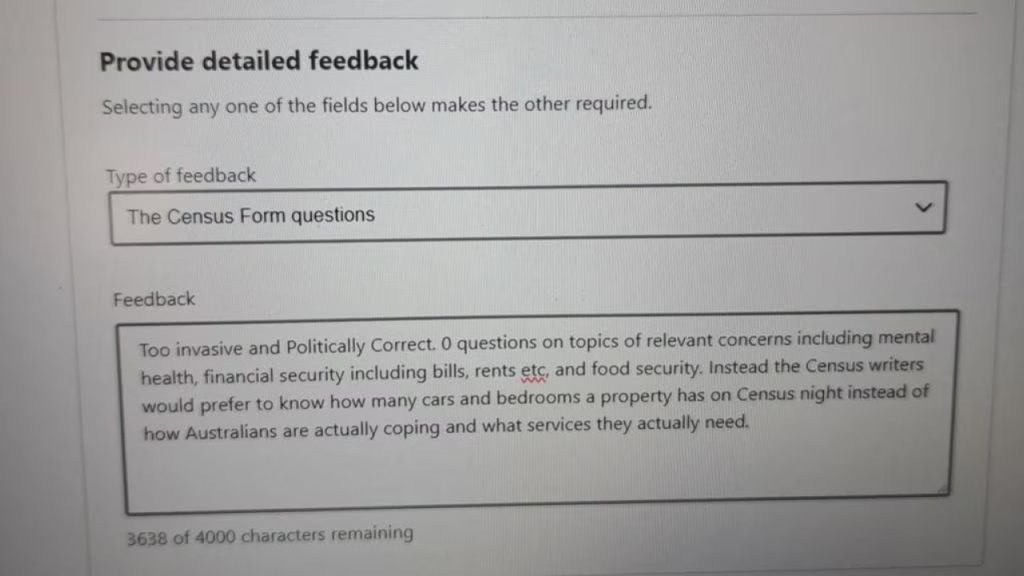
Despite that, social media filled with objections as the count got underway, with criticism over privacy and intrusiveness clashing with support for the survey. One woman posted a photo of her computer screen showing feedback she said she submitted after completing the form, describing the census as “too invasive and politically correct”.
“The census writers would prefer to know how many cars and bedrooms a property has on census night instead of how Australians are actually coping and what services they actually need,” she wrote.
Another Facebook page, Mouths of Mums, asked followers whether they believed the census questions were “a bit too invasive”. Many agreed, while others said the questionnaire was broadly similar to those used in previous censuses.
The backlash also extended to the religion question, with some people arguing there was no standalone option for “Christian”, even though specific Christian denominations were listed.
“Absolutely outrageous that you cannot select Christian in a census for a historically and structurally Christian country,” one man wrote on Facebook.
Others said they would write in Christian in the “other” box. The broader reaction online also tapped into a wider distrust of government data collection.
At the same time, others pushed back against the criticism and defended the survey’s value. One woman, who said she had worked for the state demographer’s office, said census data was public and “extremely valuable” for planners and demographers.
“Analysing trends in the data is fascinating and leads to all sorts of really relevant decisions including where to build new schools and hospitals and planning for future public transport corridors,” she said.
“I think they should be asking way more questions. It’s such a great opportunity to collect fantastic data that really helps us to get a snapshot of Australia every five years and identify trends and patterns that we either need to plan ahead for, or if they are negative patterns, introduce policies to mitigate them early.”
A separate flashpoint came from a Facebook post shared by the page Educate for Protection. It showed a census envelope covered in handwritten messages including “RTS”, “No kings, No constitution, No Governor-General, No Prime Minister”, with the caption: “The Sense-Less Census reply”.
That post quickly drew a flood of responses, many mocking the protest.
“Cookers posting their lives on Facebook but are against statistics due to privacy concerns,” one person wrote, while another said
“The tin foil hat brigade are out in force.”