Around half a million Australian Facebook and Instagram accounts disappeared overnight as the country’s ban on social media for under 16s came into effect.
Meta isn’t the only company affected. About 440,000 Snapchat accounts and 200,000 TikTok accounts are also gone, with platforms ordered to remove under-age users as the new laws began early this morning.
The world-first ban has immediately drawn global attention, particularly in the US, despite concerns over how effective the restrictions will be.
Former US ambassador to Japan Rahm Emanuel, a Democrat reportedly considering a 2028 presidential run, praised the move and urged his own country “to step up its game and do the same”.
“Parents have been battling big Tech all alone. They need a helping hand to protect their kids,” Emanuel wrote on X.
“TikTok, Instagram and the rest are too addictive, too dangerous, and target our kids too often. We’ve studied and debated what to do long enough to know what’s right. Now we need the strength to say enough is enough and to act.”
In the UK, a spokesperson for Prime Minister Keir Starmer said the government has “no current plans” to introduce a similar ban.
“We understand parents’ concern about impact of social media on children, which is why we have taken some of the boldest steps globally to ensure online content is genuinely age appropriate,” the spokesperson said.
“There are no current plans to implement a smartphone or social media ban for children. It’s important we protect children while letting them benefit safely from the digital world without cutting off essential services or isolating the most vulnerable.”
But Labour MP Jess Asato has publicly urged the government to reconsider.
“Children deserve to have the best start in life, and that means growing up away from social media,” Asato said.
“We’ve got to ask, ‘Is it a coincidence that as children’s lives have moved more online, children’s mental health has suffered?’”
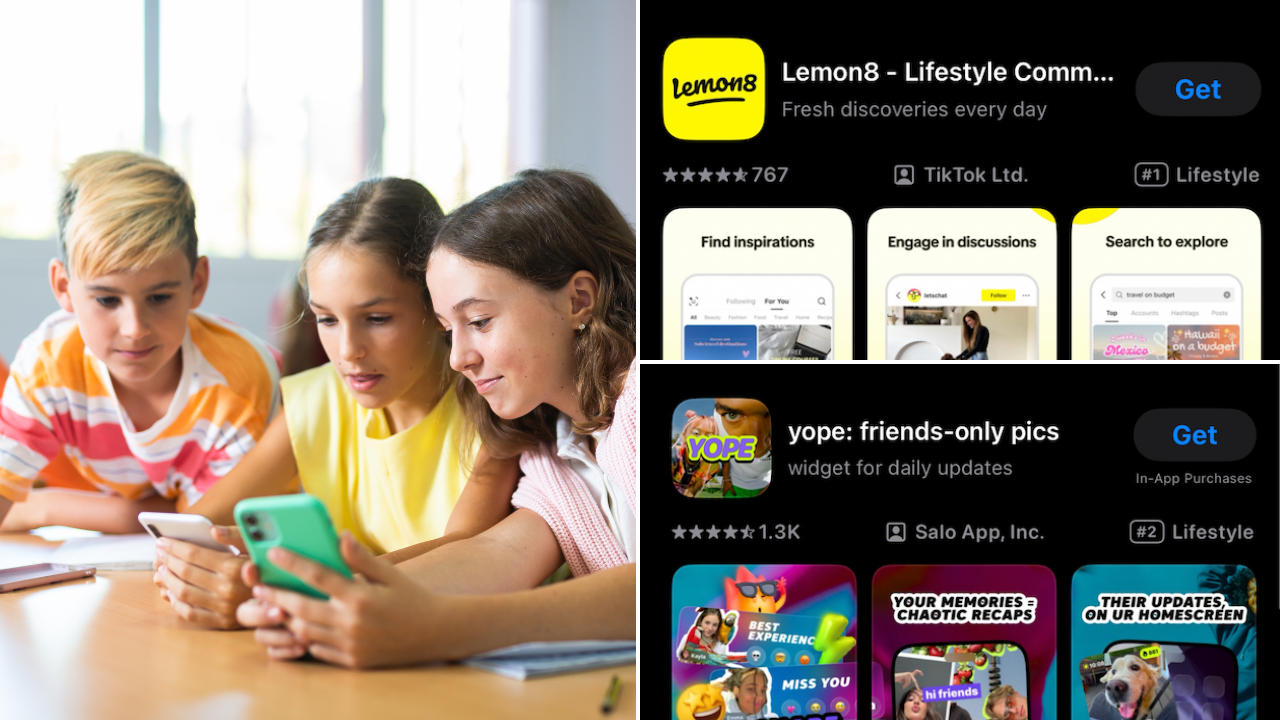
Making the ban work at home will be challenging. One study found 96 per cent of Australian children aged 10 to 15 use some form of social media. While not every platform is included, the government estimates close to one million accounts could be affected.
Officials argue the move is intended to reduce exposure to harmful content, bullying and grooming.
“This is a world-leading move by Australia and it is a change driven, overwhelmingly, by Australian parents,” Prime Minister Anthony Albanese wrote in an opinion piece.
He said he had experienced “the sombre experience of meeting with mums and dads who have seen their child’s wellbeing crushed by the worst of social media, many living with the devastating pain of losing a child”.
“We’re doing this for those parents – and for every parent. Because this law is about making it easier for you to have a conversation with your child about the risks and harms of engaging online”.
The ripple effects overseas have already begun. Countries including Denmark and Malaysia are examining similar bans.
In the US, Instagram has launched a heavy advertising campaign promoting its “teen accounts” for 13–17 year olds, highlighting parental controls and time limits.
Adam Mosseri, head of Instagram, said: “We want parents to feel good about their teens using social media”.
While a nationwide ban isn’t being seriously considered in the US, several states have floated the idea. Industry observers say Instagram’s push appears aimed at preventing the concept from gaining momentum.
Platforms in Australia are abiding by the rules, though some have raised concerns. TikTok and Snap oppose the ban, while YouTube’s owner Alphabet is considering a legal challenge. Some companies say restrictions may simply push children to less regulated platforms.
Elon Musk has claimed the ban “seems like a backdoor way to control access to the internet by all Australians”.
eSafety Commissioner Julie Inman Grant said she viewed the change as “the first domino, which is why they pushed back”.
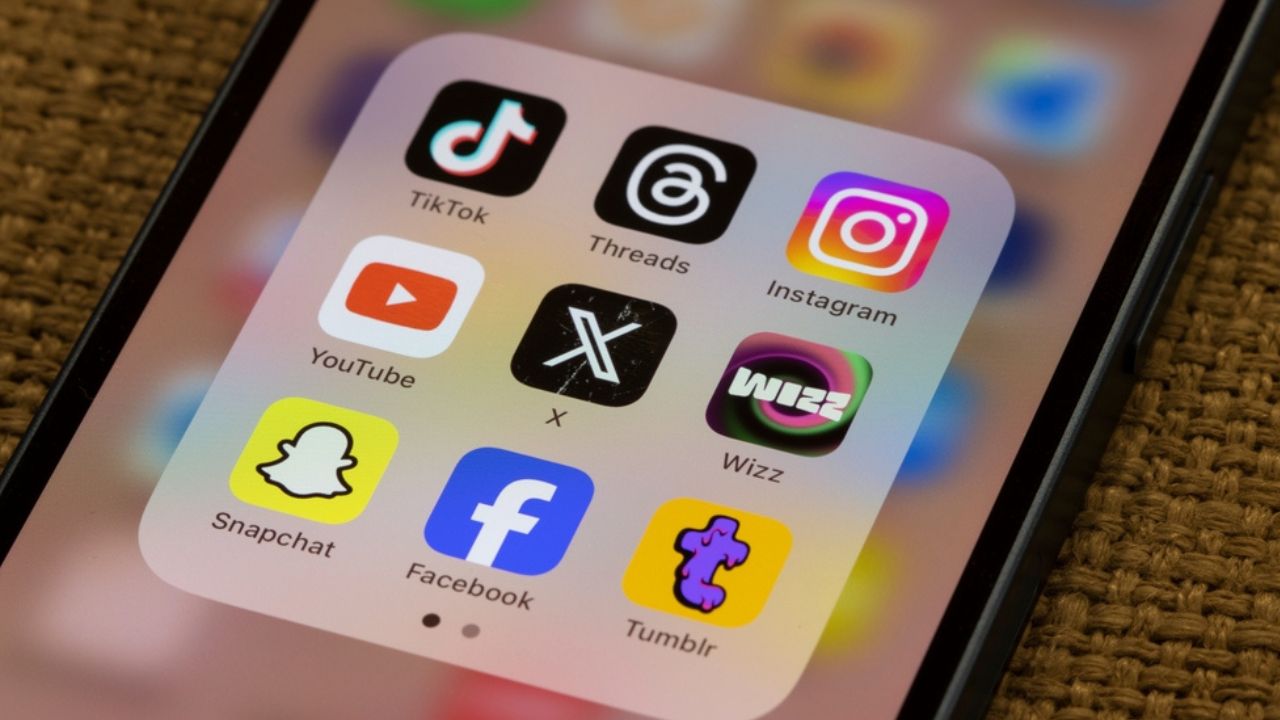
The list of banned platforms includes TikTok, Instagram, Snapchat, Reddit, Twitch, Threads, YouTube and Kick. But messaging platforms such as WhatsApp, Discord and Messenger remain allowed, as do YouTube Kids, Roblox, Lego Play and Pinterest.
Bluesky has confirmed it will also remove the 50,000 under-16 users currently on its platform.
Enforcement will rely on platforms taking “reasonable steps” to identify under-age users. Failures could attract fines of up to $49.5 million, though critics say the penalty is too small to influence major tech companies.
“It takes Meta about an hour and 52 minutes to make $A50 million in revenue,” former Facebook executive Stephen Scheeler told AAP.
Age checks could involve selfies, government IDs, bank verification or assessing how long an account has existed. Adults mistakenly removed should regain access by verifying their identity.
The government has not ruled out expanding the ban, noting teens may migrate to platforms not currently covered.
Albanese said the aim is to reduce pressure on families.
“From December 10, Australian kids will have more time to be kids and Australian parents will have greater peace of mind,” he said.
“The courage of all those parents who have fought for this ban will change lives – and it will save lives.”
Image: Shutterstock