Australians are being encouraged to work from home where they can to help reduce fuel demand, as the federal government maintains the situation has not yet reached crisis point. Energy Minister Chris Bowen said national petrol stockpiles had “gone up a little bit” and are sitting at 38 days’ worth, while diesel and jet fuel supplies remain steady at 30 days.
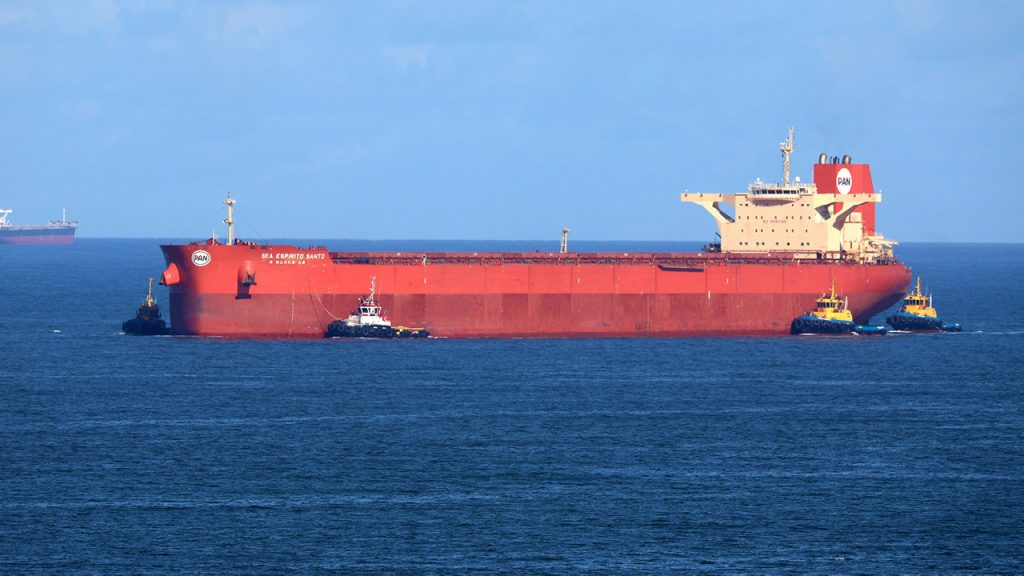
The call comes after an international energy watchdog urged people to cut fuel use in response to a severe global oil shortage risk linked to conflict in the Middle East, including suggestions such as working from home, avoiding unnecessary travel and driving more slowly. The government has continued to argue Australia’s immediate issue is demand, with panic buying contributing to localised shortages, rather than a collapse in overall supply.
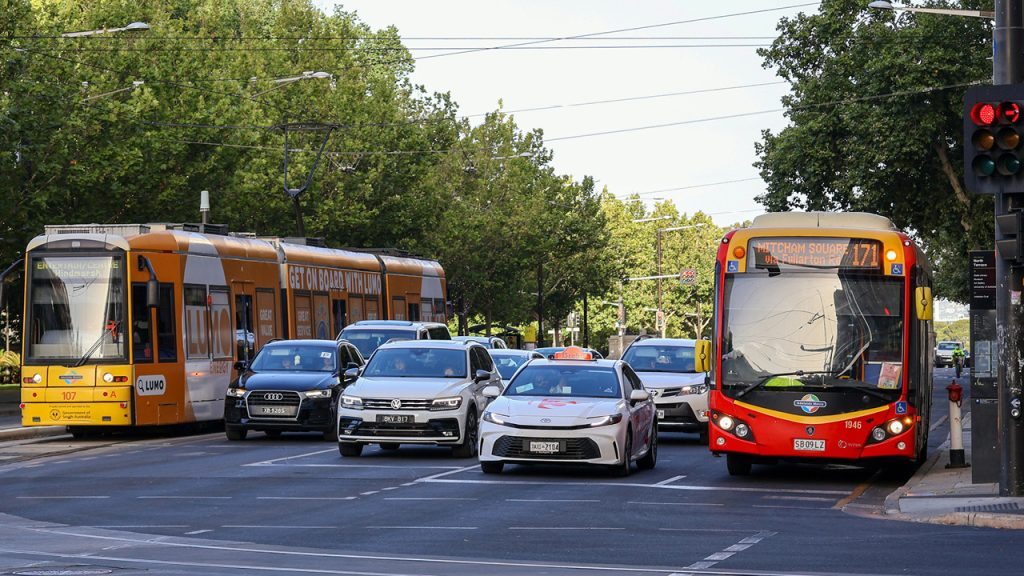
Asked about the work from home idea, Mr Bowen said it was a practical option for those who can take it up. “Well, I think that’s a sensible thing to do in any environment, really, you know, work from home has become an important part of Australian working life,” Mr Bowen told ABC’s Insiders. He acknowledged many jobs cannot be done remotely, and said choices will differ from household to household. “I think people would already be looking at their options to minimise their fuel use. At the moment, for other people, it’s a lot harder. So I don’t think a one-size-fits-all approach is necessary,” Mr Bowen said.
Mr Bowen said supply levels remain solid and pointed to steady imports and strong domestic production. “That indicates that while we’ve released more from the strategic reserve, the ships continue to arrive in good numbers, and both our refineries are working at absolute fuel pelt, and they’re both entirely dedicated to Australian suppliers, not exports,” he said.
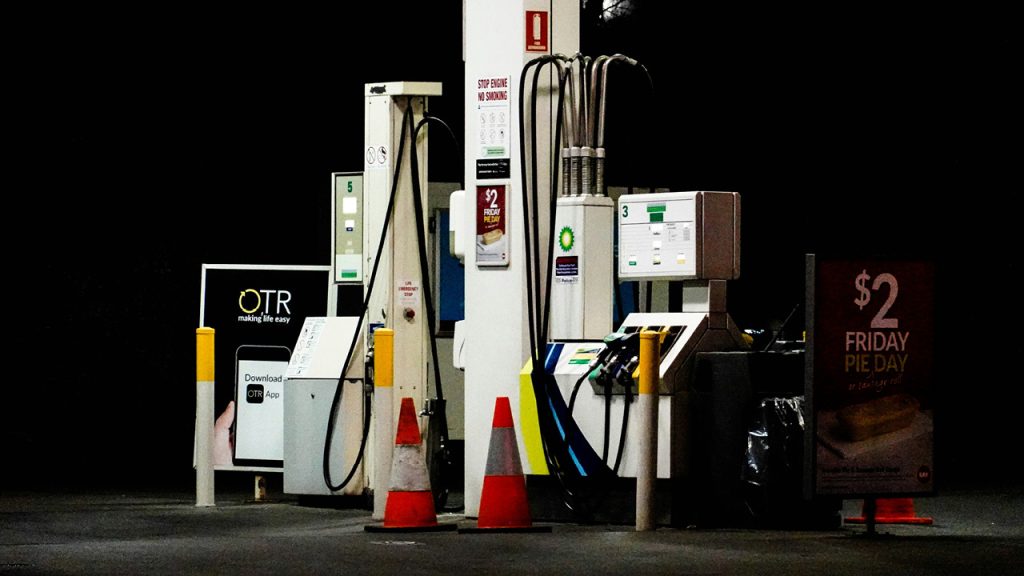
He said the more difficult task is getting fuel to where it needs to go, particularly outside major centres. “The regional areas are where the supply chain is the hardest to manage. It takes longer to get from Geelong and Brisbane to the various regional areas,” Mr Bowen said.
On the prospect of fuel rationing, Mr Bowen said it is not expected in the near term, noting the relevant legislation has never been used. “The National Fuel Emergency Act of 1984 has never been invoked — not through the first two Gulf Wars or Covid,” he said. “It’s not designed to be invoked lightly. It primarily has powers related to defence and health, in the first instance, to ensure that those key areas are getting the diesel that they need, but also other forms of fuel.”
Any move to trigger those powers would require strong justification, he added. “I wouldn’t exercise those quite remarkable powers unless I had pretty strong advice that it was necessary in the circumstances,” Mr Bowen said. He also said it would be done in consultation with the states and territories. “Obviously, it’s something I would work through with the states. I’m not envisaging needing that.”
Mr Bowen said there have been a small number of cancelled shipments, mainly involving Asian suppliers, but he said replacement supplies have already been secured from Malaysia, the United States and Mexico.