A Florida woman has been left facing more than US$100,000 (AU$200,000) in council fines after being penalised for parking partially on the grass of her own property – a case that has sparked international debate about fairness in local laws.
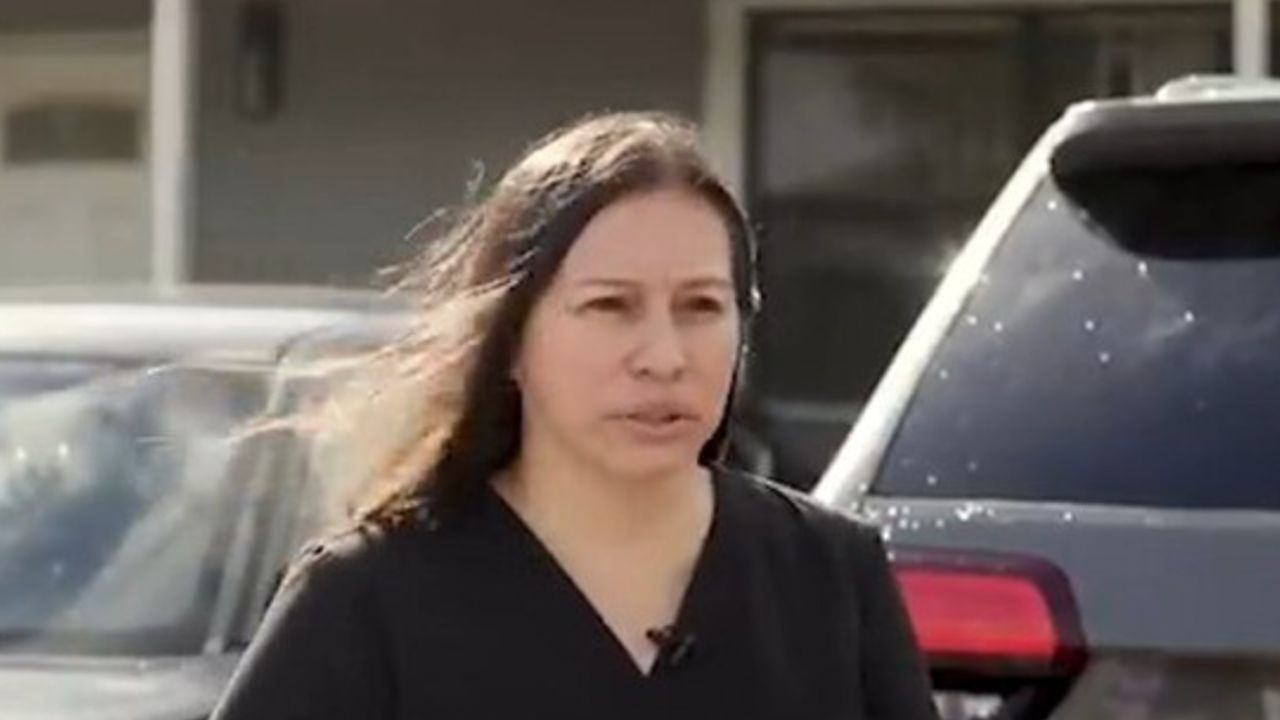
Zenaida “Sandy” Martinez, who lives in the city of Lantana, Florida, challenged the penalties in court after being issued with what she described as excessive and unreasonable fines.
However, the Florida Supreme Court recently declined to hear her appeal, meaning the outstanding bill remains in place.
According to court documents, the fines relate mainly to one issue – parking with “two tyres partially covering the grass” on her driveway. The case dates back to 2021, when Martinez was issued with multiple infringement notices described as “trivial code violations.”
A total of $247,354 (US$165,000) in fines was issued, with $149,912 (US$100,000) linked to the parking matter alone and a further $89,947 (US$60,000) relating to two minor cosmetic issues on the property.
To highlight the impact of the charges, the Institute for Justice (IJ), the legal group representing Martinez, said the fines were “almost four times more than Sandy earns in an entire year.”
Martinez lives with two adult children and her sister, and the household owns four vehicles used for work and study. At times, the driveway became crowded, and “sometimes one of them would have two tyres on the lawn.”
For that situation, the city issued a penalty of $375 (US$250) per day across 407 consecutive days.
Florida laws allow councils to issue daily fines for code breaches. However, the IJ argued that the size of the penalties breached constitutional protections against unreasonable or excessive fines.
“Six-figure fines for parking on your own property are shocking,” said Ari Bargil, a senior attorney at IJ.
“The Florida Constitution’s Excessive Fines Clause was designed to stop precisely this sort of abuse – to prevent people from being fined into poverty for trivial violations.”
“The court’s refusal to hear Sandy’s case and clarify the constitution’s protections from run-away government fines is a disservice to all Floridians,” Bargil said.
Martinez also expressed frustration following the ruling.
“It’s outrageous that the Florida Supreme Court won’t consider whether the constitution protects Floridians from ruinous fines. Cities shouldn’t be allowed to wreck lives over trivial violations.”
While Florida’s homestead provisions prevent the council from seizing her house, the IJ says the unpaid penalties “effectively rob Sandy of the equity she has built up in her home and make it practically impossible to sell and afford another home.”
The case has drawn attention from property owners and legal observers in the United States and overseas, who say it raises questions about proportionality in council penalty systems.
In Australia, parking rules on private property differ from those in Florida. Councils generally do not fine residents for parking on their own driveways or within their property boundary.
However, drivers can be fined for stopping on nature strips, grass verges, or footpaths, as these areas are usually considered public space under Australian road rules.
Penalties may also apply if a vehicle creates a hazard, blocks access, or damages council infrastructure, with rules varying between states and local government areas.
Within residential property boundaries, there are generally no restrictions on where a vehicle may be parked, provided it does not cause safety or access issues.
Image: Institute for Justice