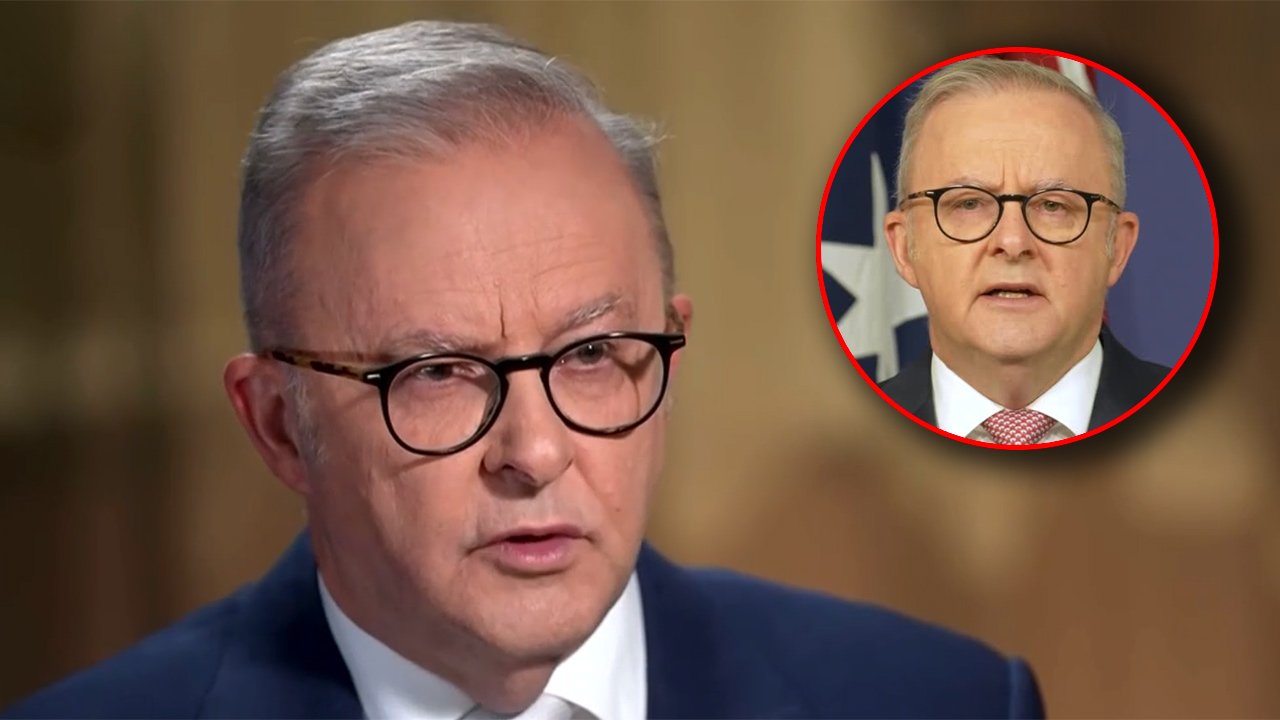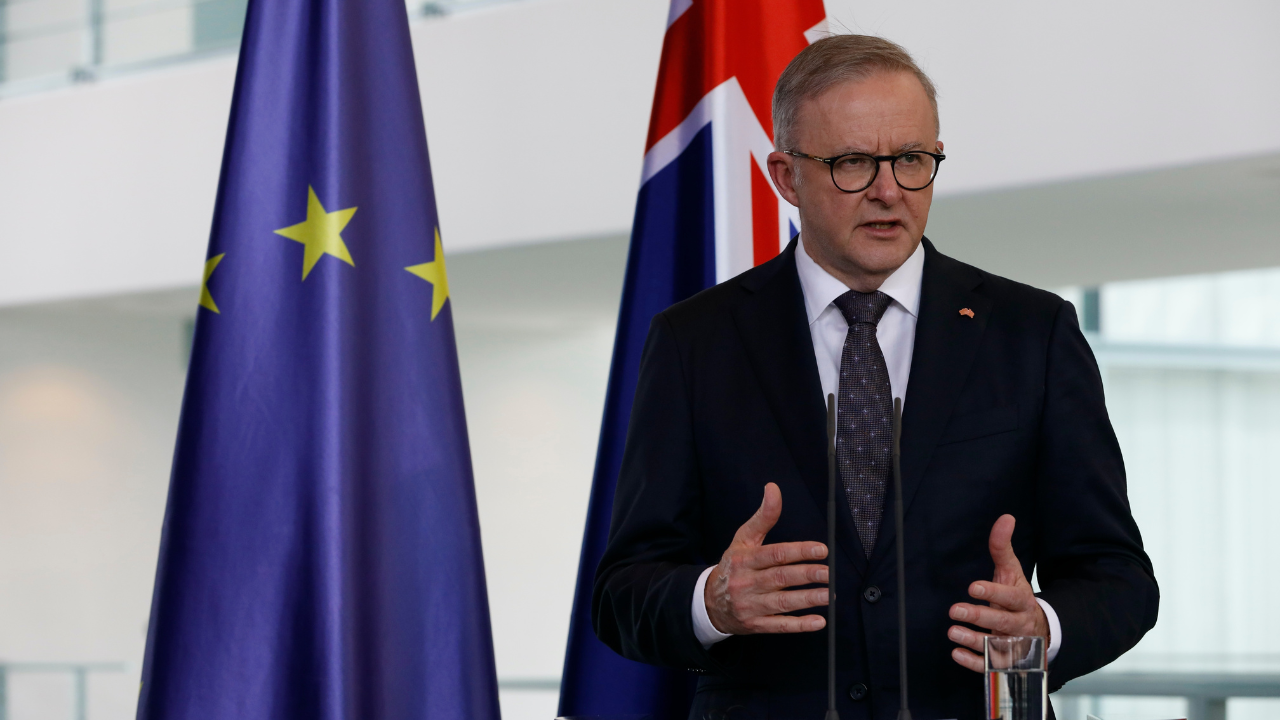
Prime Minister Anthony Albanese has rejected claims he is viewed as a “weak leader” after reversing course and announcing a federal royal commission into the Bondi terror attack, following weeks of mounting political and community pressure.
Albanese had resisted calls for a national inquiry in the aftermath of the December 14 mass shooting, which claimed 15 lives, citing concerns around national security, social cohesion and the need for immediate action on anti-Semitism.
On Thursday, he bowed to pressure and confirmed the establishment of a Commonwealth royal commission, led by former High Court justice Virginia Bell.
Among those killed at the Chanukah by the Sea event on the first night of the Jewish festival were UK-born Rabbi Schlanger, French footballer Dan Elkayam and 10-year-old Matilda.
Appearing on the ABC’s 7.30 Report on Thursday night, the Prime Minister said the government had taken time to ensure the inquiry’s terms of reference were “right”.
Albanese said his government wanted the country to “unite and go forward”, while accusing critics of seeking “division”.
“I sat down with those families very deliberately,” Albanese told host Michael Rowland.
“Last night I was with Gefon Bitton, who is someone who suffered quite severe injuries, who today was (flown) to Israel … I sat down with Rabbi Mendel (Kastel) of that community, who lost a relative in that horrific attack.
“I’ve engaged constructively and … the generosity and warmth I’ve received, I have been very grateful for.”
Asked whether he was concerned voters might see him as a “weak leader” after taking time to “read the national room”, Albanese said Australians wanted leaders who would “listen and adjust positions”.
“We want to hear from people. We want people to participate,” he said.
“Governments should be open to listening, and we have done that. We’ve also done it in a way which makes sure … we’re not deferring action.
“What we’re doing is supplementing and strengthening the action we’re taking.”
Albanese said a rushed or “half-hearted” announcement – without appointing a commissioner, setting timeframes or finalising terms of reference – would have fuelled “more speculation”.
The Prime Minister’s initial resistance came despite multiple open letters signed by hundreds of prominent political, business, legal, security and sporting figures, Jewish organisations and most families of the Bondi massacre victims.
He said, “it’s clear to me that a royal commission is essential” if Australia is to “heal, to learn, to come together in a spirit of national unity”.
“Today I announce that I will be recommending to the governor general … that a royal commission on anti-Semitism and social cohesion be established,” he said.
The commission’s terms of reference will cover four key areas:
- Tackling anti-Semitism by investigating its nature and prevalence
- Making recommendations to assist law enforcement, border control, immigration and security agencies to address anti-Semitism
- Examining the circumstances surrounding the Bondi terror attack on December 14
- Making any other recommendations to strengthen social cohesion in Australia and counter ideological and religiously motivated extremism
“This won’t be a drawn-out process,” Albanese said.
“Our government will ask commissioner Bell to report before the 14th of December 2026.
“Importantly we’ll be asking commissioner Bell to ensure this inquiry does not prejudice any future criminal proceeding – this is vital.”
Dennis Richardson’s independent review into Australia’s federal law enforcement and intelligence agencies will be incorporated into the royal commission, with an interim report due in April.
All states and territories will be invited to participate.
NSW Premier Chris Minns confirmed the NSW royal commission would not proceed.
“NSW will fully co-operate with the Royal Commission and provide whatever assistance is required to support its work,” he said.
“We will continue to work closely with the Jewish community on matters arising from the Bondi terrorist attack and remain open to further inquiries that focus on NSW government responses.”
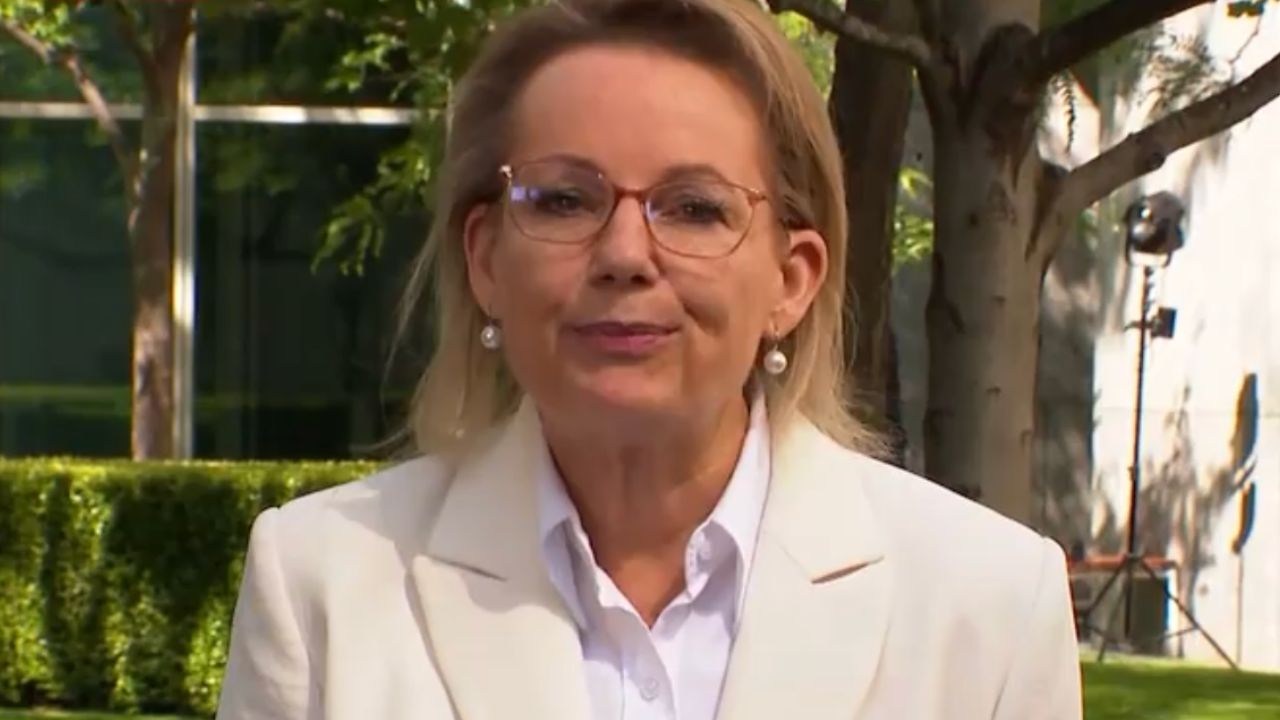
Opposition Leader Sussan Ley accused the Prime Minister of failing to show leadership.
“The Prime Minister’s decision to finally establish a Commonwealth royal commission is not an act of leadership, it is an admission that his litany of excuses have collapsed,” she said.
“For weeks now, Australians watched a Prime Minister fumble and flounder while answers for victims’ families were put on hold.
“Anthony Albanese relented, not because he believed a Commonwealth royal commission was the right thing to do, but because he was forced to do so by the Australian people.”
Ley said the inquiry was one the Prime Minister “was forced to have”.
“The Coalition will review the terms of reference released by the Prime Minister today, in consultation with the Jewish community and national security experts, to ensure no stone is left unturned and that every issue that must be addressed can be addressed,” she said.
She also criticised the decision to appoint a single commissioner.
The Executive Council of Australian Jewry said the government “has made the right decision”.
“We welcome the Prime Minister’s announcement and expect that the terms of reference … will allow an honest examination of government policies and the conduct and policies of key institutions and figures in major sectors of our society in contributing or failing to adequately respond to the unprecedented levels of anti-Semitism in Australia over the past two years or more,” ECAJ president Daniel Aghion said.
“This is the only way that Australia’s time-honoured standards of decency and fairness can be upheld.
“The ECAJ will co-operate fully with (Bell) and will make every effort to ensure that the full force of the community’s views and experiences of anti-Semitism in various sectors of society are brought to the forefront of the inquiry.”
Australia’s Special Envoy to Combat Anti-Semitism Jillian Segal said “Bondi did not occur in isolation”.
“Australians expect truth about what happened at Bondi and the root causes,” she said.
“They expect sustained action to address the conditions that allowed such hatred to take root.”
Segal said the attack did not “happen in isolation”.
“There were signs pointing to it, and we must examine those warning signs so that something like that does not happen again to Jewish Australians or to any Australians,” she said.
Bell previously led an inquiry into former prime minister Scott Morrison’s multiple ministries scandal and worked on the Wood Royal Commission in the 1990s, which examined police corruption in NSW.
Her appointment has drawn criticism from some within the Jewish community.
“We’re confident that commissioner Bell has the deep experience and expertise to conduct her inquiry in such a way that meaningfully examines the impact of anti-Semitism on the daily life of Jewish Australians and works to promote social cohesion and to do this without providing a platform for others to push anti-semitic hatred,” Albanese said.
Former treasurer Josh Frydenberg said Jewish leaders had raised “serious concerns” about the appointment.
“After more than two years of unprecedented hate, harassment and violence directed towards the Jewish community, culminating in Australia’s deadliest terrorist attack at Bondi Beach it is unthinkable the Prime Minister would choose a Commissioner that did not have the total confidence of the Jewish community,” he said in a post to X.
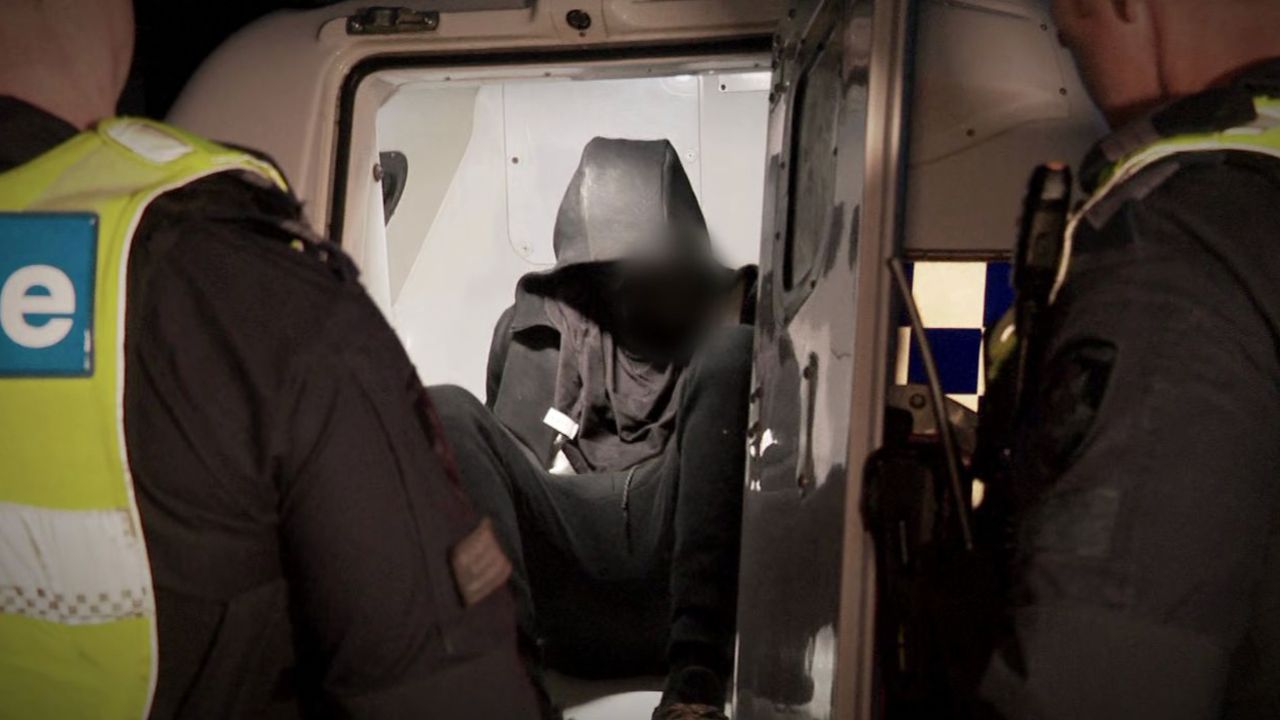
The royal commission will not jeopardise criminal proceedings already underway in NSW against alleged shooter Naveed Akram, who faces 59 charges including murder and attempted murder.
He is expected to appear in court on April 8.
Images: Shutterstock