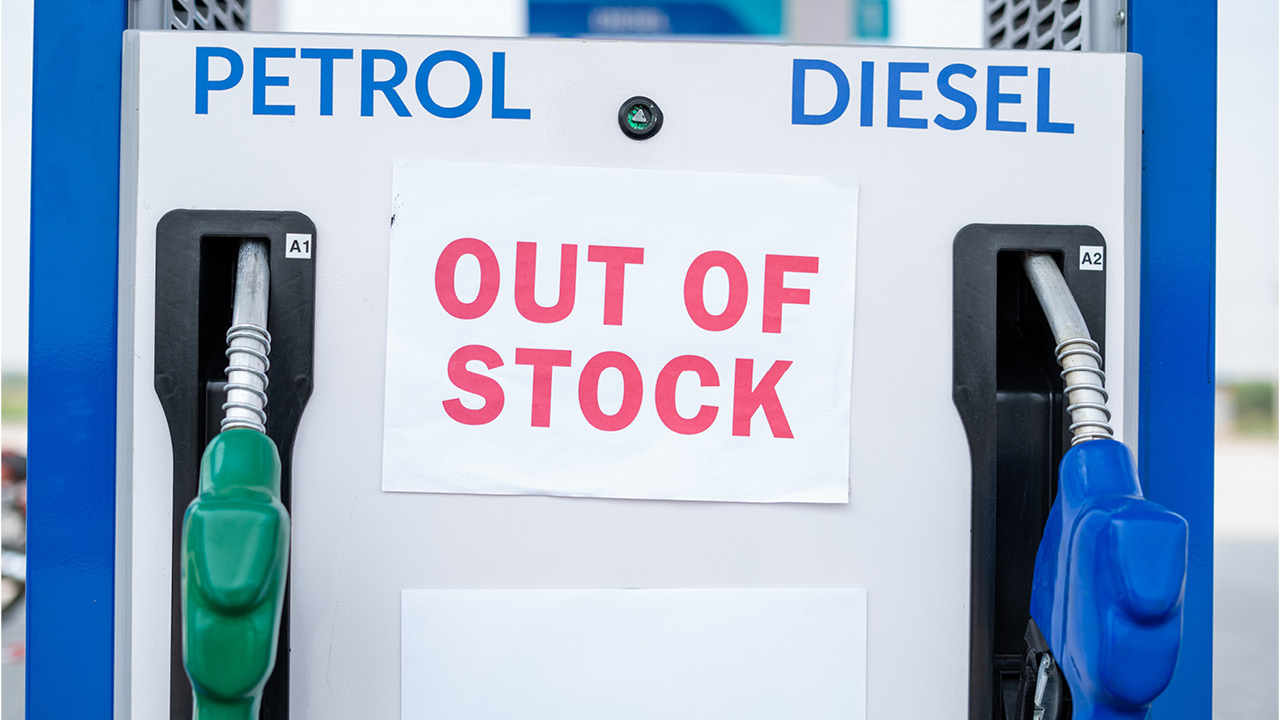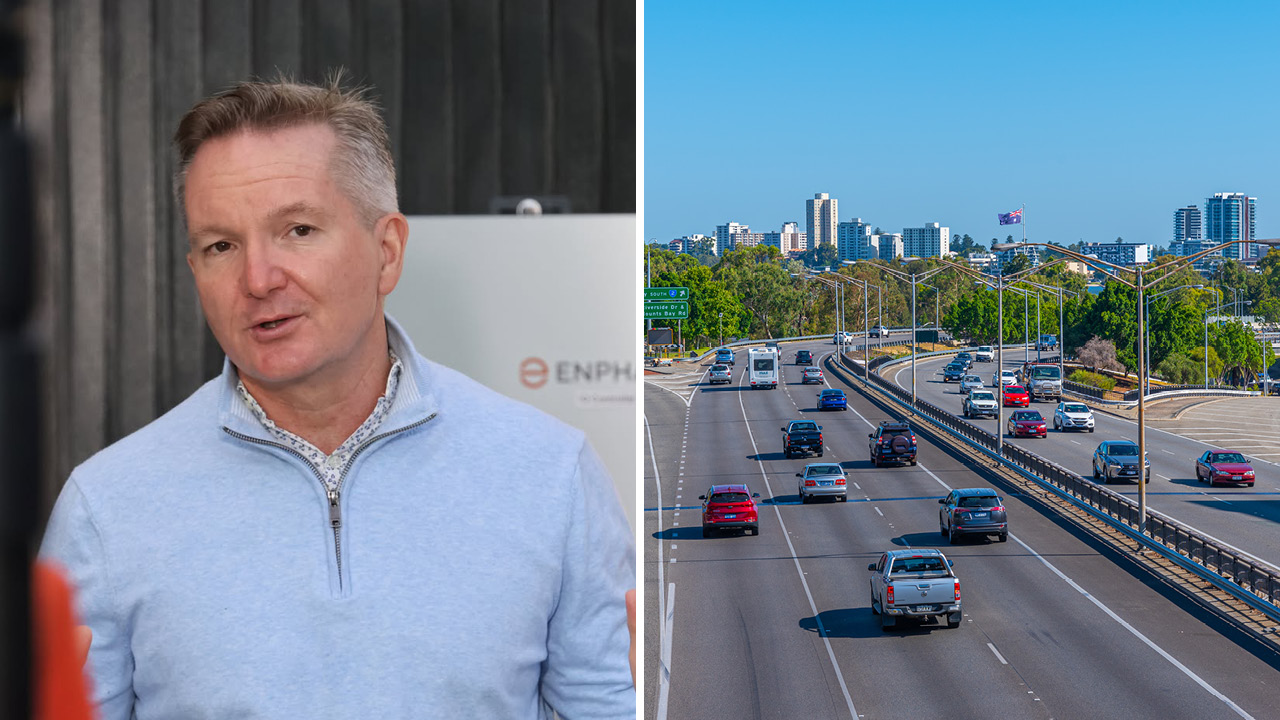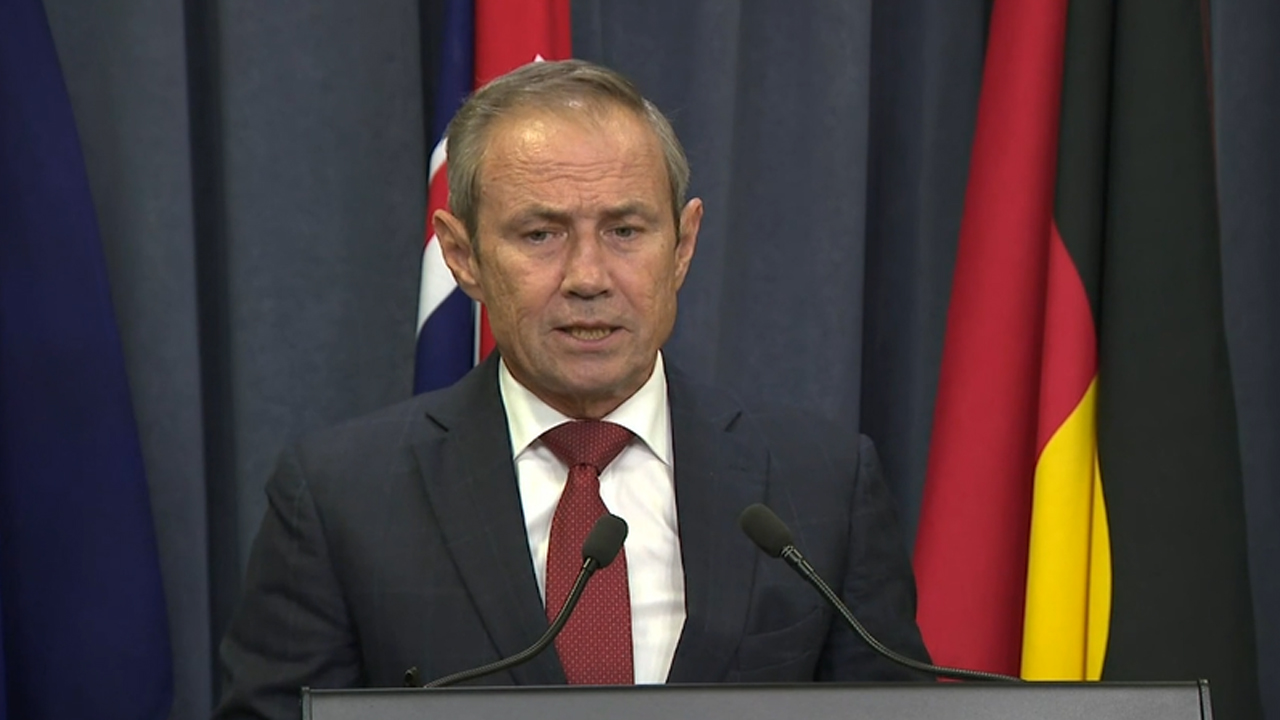
WA Premier Roger Cook has moved to activate emergency powers over fuel supply arrangements, even as the prime minister urges Australians to stay calm about shortages linked to the Middle East conflict.
Energy Minister Amber-Jade Sanderson visited the governor to formalise the move, giving the state government fresh authority over a small group of major fuel suppliers and their reporting obligations. While the step requires triggering emergency provisions under the relevant legislation, Cook insisted it should not be confused with broader crisis declarations.
“Let me be very clear, we are not declaring a state of emergency. We are utilising the emergency powers under the Fuel, Energy and Power Resources Act,” he said. “This is not what people experienced under COVID. It’s a completely different act of Parliament. It’s very specific powers which we need in order to create some transparency around fuel supply chains.”
The new powers are designed to extract what the government describes as commercially sensitive information about fuel stocks and distribution routes. Cook said the state does not always have clear visibility of where supplies are sitting or where they are being delivered.
“In some cases, we don’t know where fuel is, or where it’s going,” Cook said.
The measures do not allow the government to force companies to physically redirect deliveries, but they do allow the state to identify where stock is available and prioritise where surplus should be sent, in cooperation with industry.
“We can see where there’s excess, where there is stock, and we can direct it where it’s needed and we’re doing that by working closely with the companies,” Sanderson said.
From midnight on Thursday, suppliers will have 48 hours to provide the required information or face penalties.
“The maximum is $100,000 per day for corporations and $10,000 per day for individuals,” Sanderson said.
The tougher stance follows the premier writing to six suppliers last week seeking voluntary disclosure, with only three agreeing to provide details. Sanderson said the government needed fuller cooperation.
“We haven’t got the full information that we need – and we won’t apologise for taking this action,” Sanderson said.
Cook also sought to reassure the public that the move is about clarity, not alarm.
“We don’t expect any impact in relation to consumers or the members of the public at large,” Cook said. “These are very specific powers applying to that very specific cohort of six companies.”
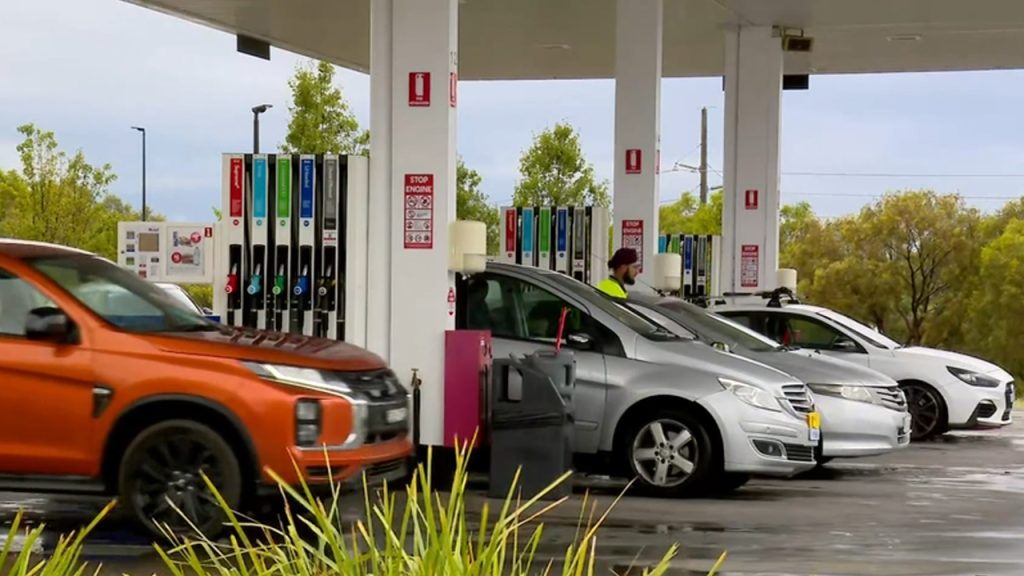
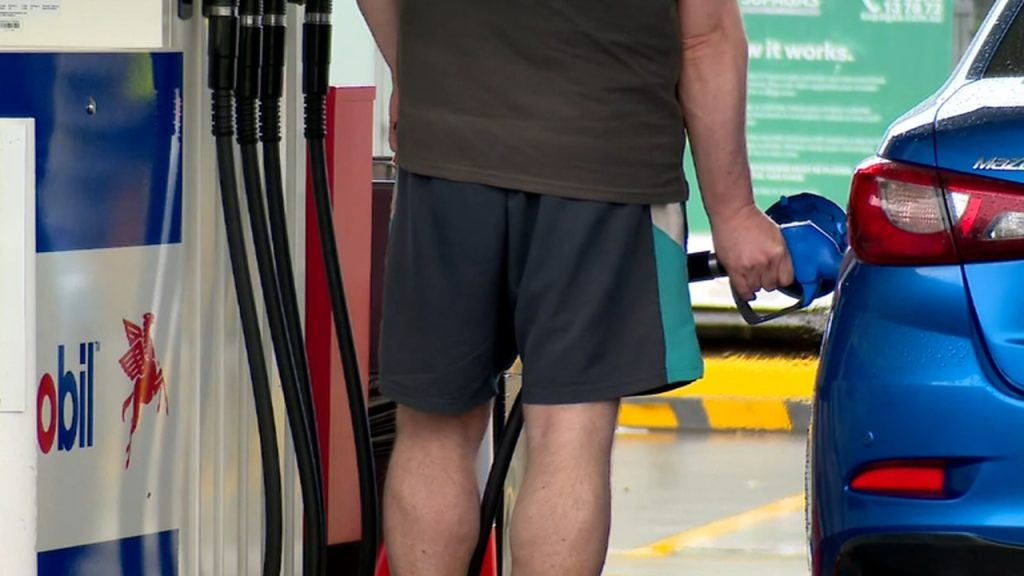
The announcement comes as motorists start to see some price relief at the pump after the federal government halved the fuel excise, cutting 26 cents a litre. Drivers queued to take advantage of the lower prices, with service stations reducing fuel by close to 10 cents a litre in some places and unleaded down around 7 cents a litre. Average unleaded prices are expected to fall further, with another 13 cents a litre tipped to come off, while diesel is forecast to drop by about 10 cents a litre.
Police have also increased patrols around service stations amid ongoing concerns about fuel theft.
“We work closely with the fuel stations to make sure they report [theft] and we respond,” WA Police Commissioner Col Blanch said.