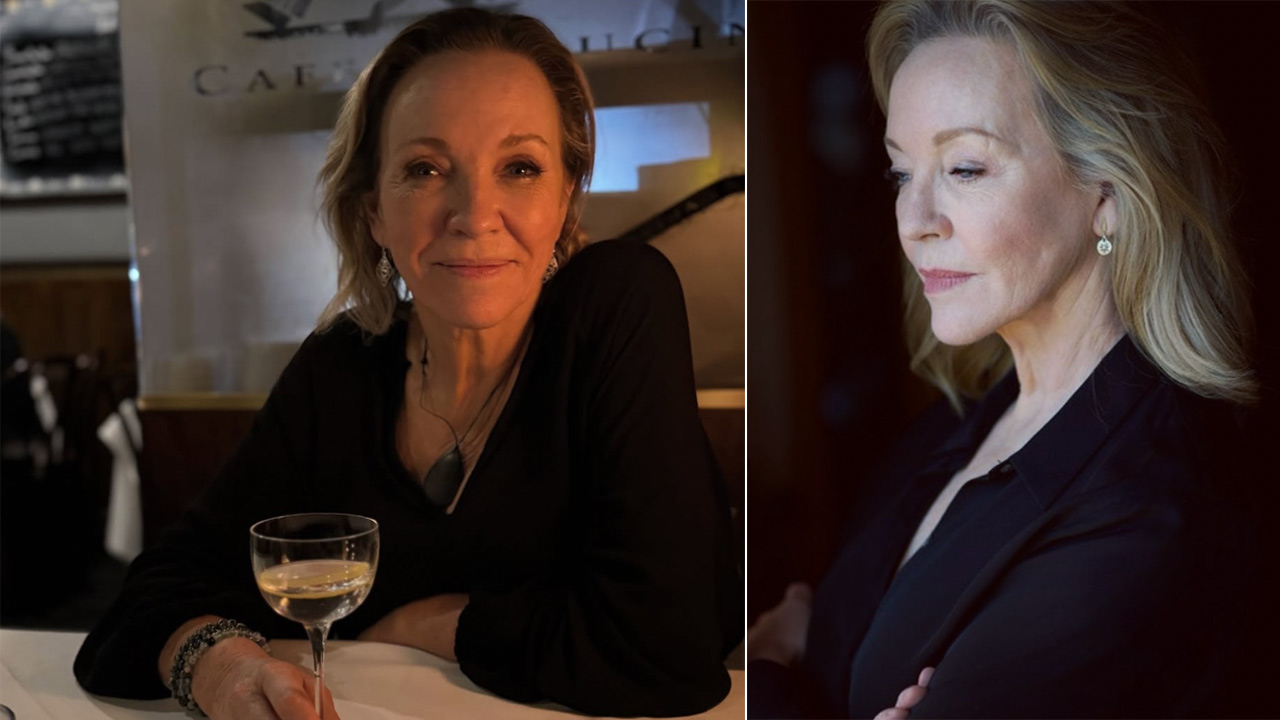
Australian television favourite Rebecca Gibney has revealed a deeply personal and emotional health diagnosis, sharing that she has been identified as having both attention deficit hyperactivity disorder (ADHD) and autism spectrum disorder (ASD).
The 61-year-old actress, who was inducted into the Logie Awards Hall of Fame in 2024, spoke candidly about the discovery in an interview with The Australian Women’s Weekly, admitting she is still struggling to come to terms with the news.
Describing the past few months as “hard” and “very emotional”, Gibney said the diagnosis has brought an unexpected wave of grief.
“I’ve cried a lot more in the last few months than I’ve cried in a long time, which I thought I’d gotten over as a woman over 60,” she said. “I was like, ‘No, I’ve got all that stuff sorted’.”
The diagnosis came after what she described as “major struggles” while competing on Dancing With The Stars last July, with her psychologist later confirming both ADHD and ASD.
While the diagnosis has helped explain years of confusion, it has also forced Gibney to confront painful reflections on her past. “I’m still coming to terms with it because it’s answered a lot of questions from my past – my panic attacks, my years of masking, which started obviously at a very early age,” she said.
She admitted there is also a lingering sense of loss tied to the late diagnosis.
“There’s that slight mourning – gosh, if I’d known this 40, 50 years ago, would I have gone through all the stuff that I went through?”
The revelation adds to the actress’s long-running openness about her mental health struggles. In November last year, the former Millionaire Hot Seat host shared a candid account of her battle with anxiety and panic attacks, saying she had struggled “for most of my life”.
“As a teen, I was often erratic, impulsive, prone to rages and bored easily,” she wrote at the time.
Gibney revealed her struggles led her to leave school at just 15, before finding her way into acting by chance. Despite building a successful career and strong personal life, she said her mental health deteriorated in her early 30s. “The weekly panic attacks became daily, then hourly,” she wrote. “The self-loathing was constant and my pain was so deep, I didn’t know how to deal with it. I just knew I wanted it over.”
She later sought help and said she “eventually came home to myself”, using her experience to encourage others to reach out during difficult times.
“We all mask our pain but we all also feel it. You’re not alone,” she said. “Light really does follow the dark.”
Images: Instagram