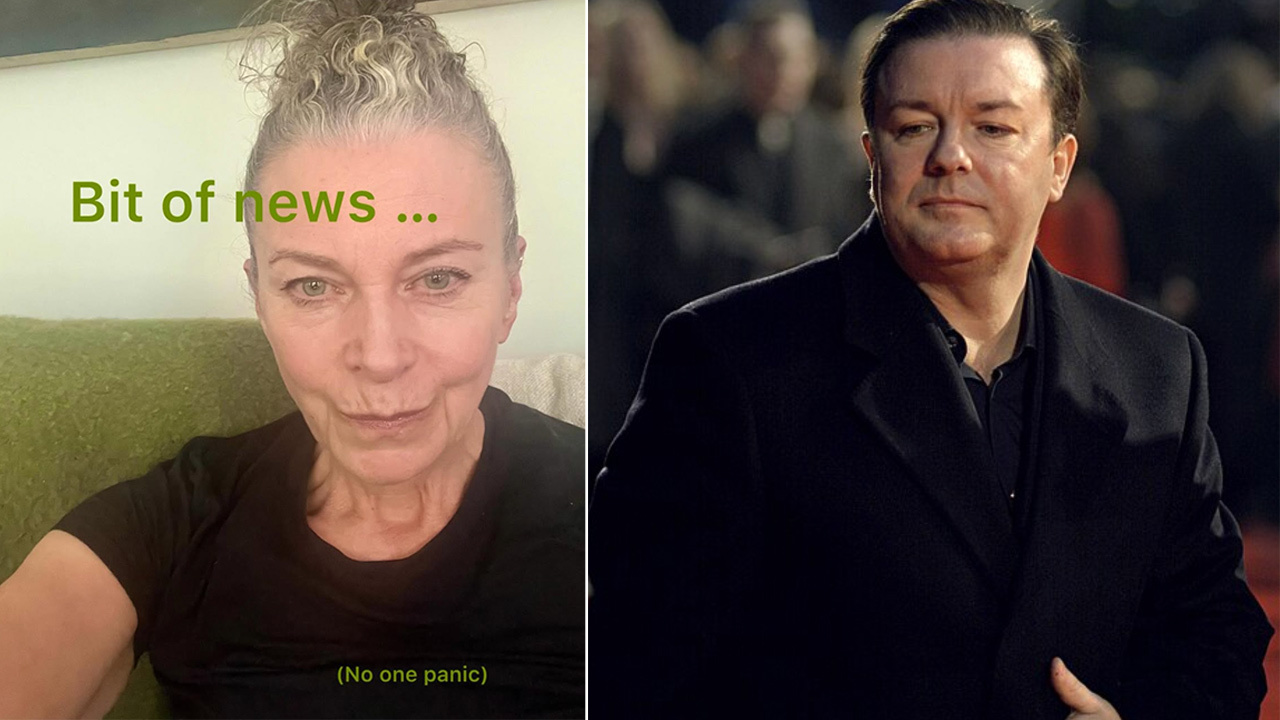
Australian comedian, writer and actor Jean Kittson has spent the past year facing what few could imagine – reliving the loss of both her parents, who died in devastating circumstances just weeks apart.
The experience has reshaped her views on end-of-life care and inspired her to advocate for better palliative support for ageing Australians.
“I want to die at home, if possible, with my symptoms managed by palliative care experts,” said Kittson, now 70.
“I think champagne might help with many of my symptoms so I would like a concierge to pour the champagne on request and massage my feet and brush my hair like you see on movies although I think I would rather see movies than have my hair brushed.
“I want to be in my bed so everyone can lie with me and give me cuddles including the dog. If my symptoms become difficult for everyone, including me, (but in the majority of deaths, end of life symptoms are completely manageable and I am hoping for the best and hoping champagne helps), then I will let the medical experts make the final call.”
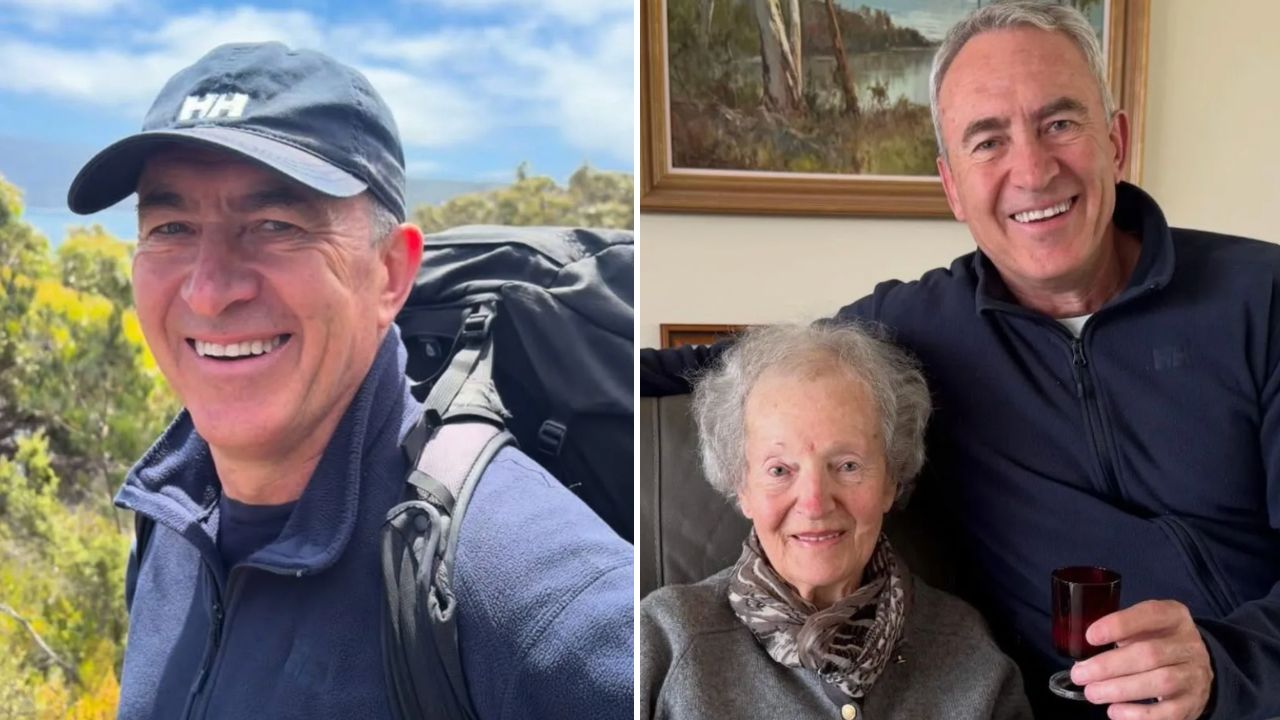
Her reflections are deeply rooted in trauma. Kittson’s father, Roy, died on March 4, 2024, aged 96, after hours of waiting for an ambulance while in severe pain. He passed away in hospital without family by his side.
A month later, her mother Elaine, 99, succumbed to a fatal infection.
For more than a decade, Kittson had been her parents’ primary caregiver. The losses left her shocked, distressed and heartbroken. Yet amid her grief, she found renewed determination to raise awareness about Australia’s palliative care gaps – a mission that builds on her 2020 book We Need to Talk About Mum & Dad: A Practical Guide to Parenting Our Ageing Parents.
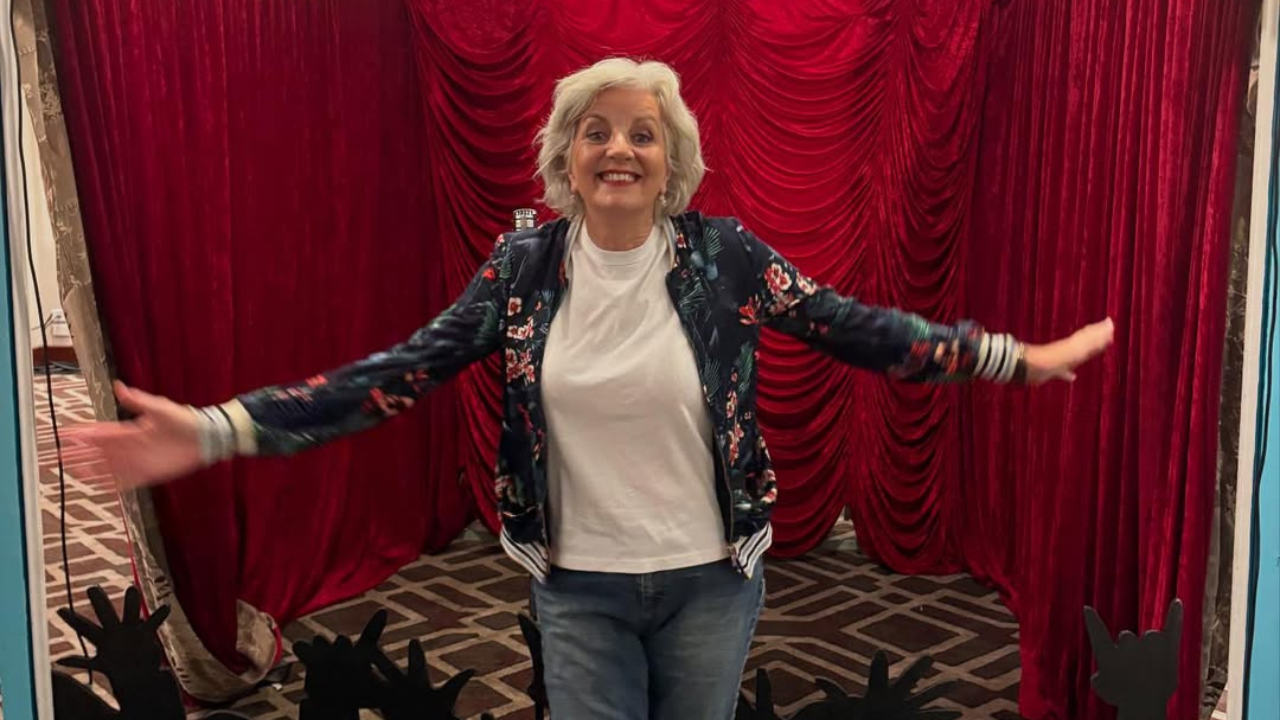
This weekend, November 14-15, Kittson will speak at the Care Expo at Darling Harbour’s ICC, an experience she describes as “both rewarding and humbling.”
“There are millions of people caring for their loved ones and the more support we can give them the better for our entire communities,” she said.
“Many of us only discover what it is like to be a carer as our parents age, but there are so many more carers who have been caring for their loved ones most of their lives.
“At the Expo you witness levels of human compassion and courage and dignity and humanity and grace that you are unlikely to encounter in any other public situation. It is a very inspiring place to be.”
Kittson admitted that speaking publicly about her parents’ deaths, “still causes pain and guilt along with the grief.”
“Sometimes I feel that I can disassociate myself from their loss and just stick to the stories of how to do things better, but last week I spoke at a fundraiser for a wonderful hospice in Ipswich and it was a little gruelling,” she said.
“Because I was face-to-face with the comparison between those who have had access to palliative care, to the skill, support and tender understanding of professional end of life care, and the memory of the devastating lack of it for my parents.”
Kittson continues to feel her parents’ absence “very deeply.”
“Particularly as I feel their deaths were not managed well,” she said.
“There is a saying that is popular in the care sector – ‘turn your pain into purpose’. It seems to give their deaths and my grief more meaning if I can share with others information I have gained and lessons I have learned. If I can help make one person’s journey a little less arduous that is a very rewarding outcome for me.”
Despite the weight of her experiences, Kittson’s trademark wit remains intact. She recalls her mother’s insistence that she should not be left in a vegetative state, “She said I should just ‘turn off the machine’ if it should come to that. I am not even sure which machine she had in mind. Possibly the iron.”
Kittson also recognises humour’s enduring role in easing life’s hardest moments.
“I have learnt from the exceptional palliative care nurses and nurse practitioners just how important humour remains even at the end of life,” she said.
“I have learned how we all crave the humanity that comes from humour. The way it can dispel fear and open conversations and help emotional barriers to crumble.”
As she continues to share her story, Kittson hopes to inspire compassion and reform in end-of-life care.
“It takes a village to raise a child – it also takes a village to make sure our elders reach safe harbour at the end of their lives,” she said.
“A village of people who are understanding, patient, compassionate, empathetic and who do care.”
Images: Instagram