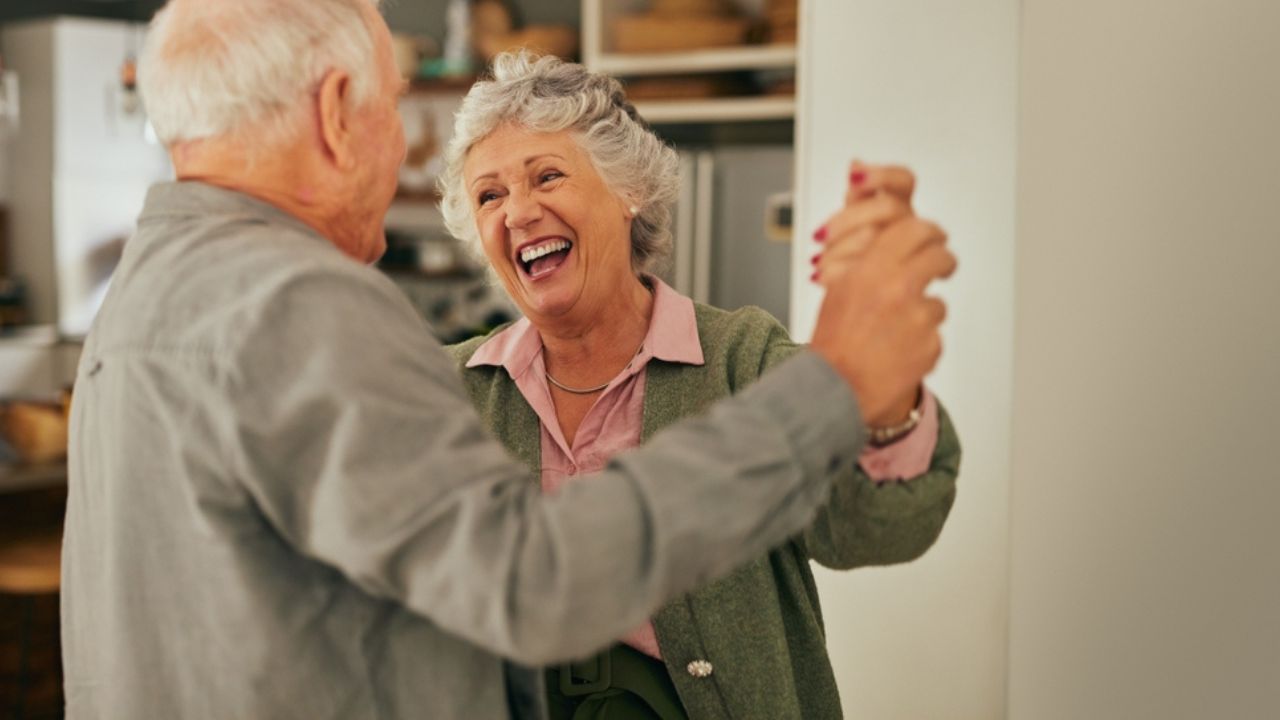
While walking groups and swimming laps have long been the pillars of retirement fitness, a growing body of scientific evidence suggests that the secret to longevity might actually be found on the dance floor.
Dancing is far from a modern fitness trend; humans have danced for thousands of years during celebrations and ceremonies. Today, researchers are identifying why this ancient practice is uniquely suited to the challenges of ageing, offering a “multicomponent” workout that traditional exercise often misses.
More than just exercise
Most activities focus on one part of the body or mind. For example, walking strengthens the heart and circulation while strength training builds muscles and puzzles stimulate the mind.
Dance does all of these at once, when you have to remember steps, follow rhythm, adjust balance and coordinate with others. This combination challenges the brain, strengthens the body and keeps social connections alive – a rare overlap in exercise.
Researchers call it a “multicomponent activity”, which is what healthy ageing guidelines encourage.
Brain and memory
A study in the New England Journal of Medicine suggests dancing may reduce the risk of dementia by up to 75 per cent. Regular dancing consistently improves attention, memory and decision-making.
Rather than a cure, dance helps build “cognitive reserve” – the brain’s ability to cope with age-related changes.
Learning steps, changing direction and moving to music forces both sides of the brain to work together, giving it a tougher workout than walking or other repetitive movements.
Balance and fall prevention
Falls are one of the biggest threats to independence in later life. Dance constantly shifts your weight, direction and timing – much like real-life movement. This helps improve leg strength, reaction time, coordination and body awareness.
The confidence gained from these skills can keep older adults active and socially engaged, rather than staying home for fear of falling.
Mood and social connection
Dance also supports emotional wellbeing. Music activates reward pathways in the brain, and moving in time with others builds social bonds. Studies show dance programs can reduce depression and anxiety in older adults.
Shared experiences – laughing when steps go wrong, mastering a tricky sequence – make the activity fun and encourage consistency. And it’s that consistency that maximises long-term benefits.
Choosing the right dance
There isn’t a single “best” style – the key is enjoying it enough to keep going. Different styles offer different benefits:
- Ballroom (waltz, foxtrot, social dancing): Improves balance, posture and coordination; partner dancing adds social connection.
- Line dancing: Easy to learn, helps memory and coordination; no partner needed.
- Latin styles (salsa, rumba, bachata), Swing/Rock and Roll: Boost flexibility, reaction time and cardiovascular fitness.
- Folk or cultural dance: Group-based, rhythmic, beginner-friendly; strong social engagement.
- Dance for Parkinson’s: Focused on mobility and gait confidence; slower paced and structured.
- Chair-based or gentle movement classes: Suitable for arthritis, balance issues or limited mobility, still offering brain and mood benefits.