A butcher has warned that many Australians are making expensive mistakes when freezing and defrosting meat.
While plenty of shoppers put steaks, mince and other meat products in the freezer to make them last longer, there are right and wrong ways to do it. Getting it wrong can mean wasted food, lower quality meat and unnecessary expense.
OzHarvest’s Australian Household Food Waste Research found Australians threw out an average of 7.2 kilograms of frozen meat and 3.2 kilograms of meat, seafood and eggs in 2025. That equated to $140.52 per person being wasted. Much of that came down to poor handling after food was taken out of the freezer.
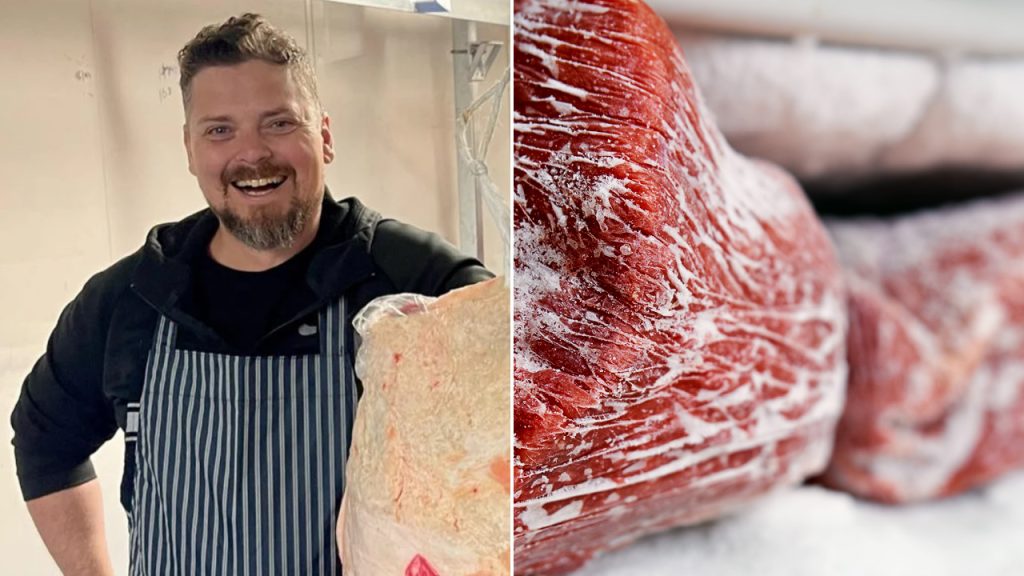
Jeff Renfrew, founder of Farmstead Meats, said the freezer should not be seen as a cure-all. It does not kill bacteria, but slows their growth. He offered a simple rule for frozen meat: “If the meat has only got a day left [on its Use By date] going in, it’s only got a day left coming out,” he said.
That means if meat is frozen too close to its Use By or expiry date, there may be very little time left to safely use it once thawed. People may plan to cook it straight away, but life gets busy, the meat expires and it ends up in the bin. Renfrew said freezing meat earlier gives people more flexibility. “It’s going to enable you to defrost it properly over a few days,” Jeff added.
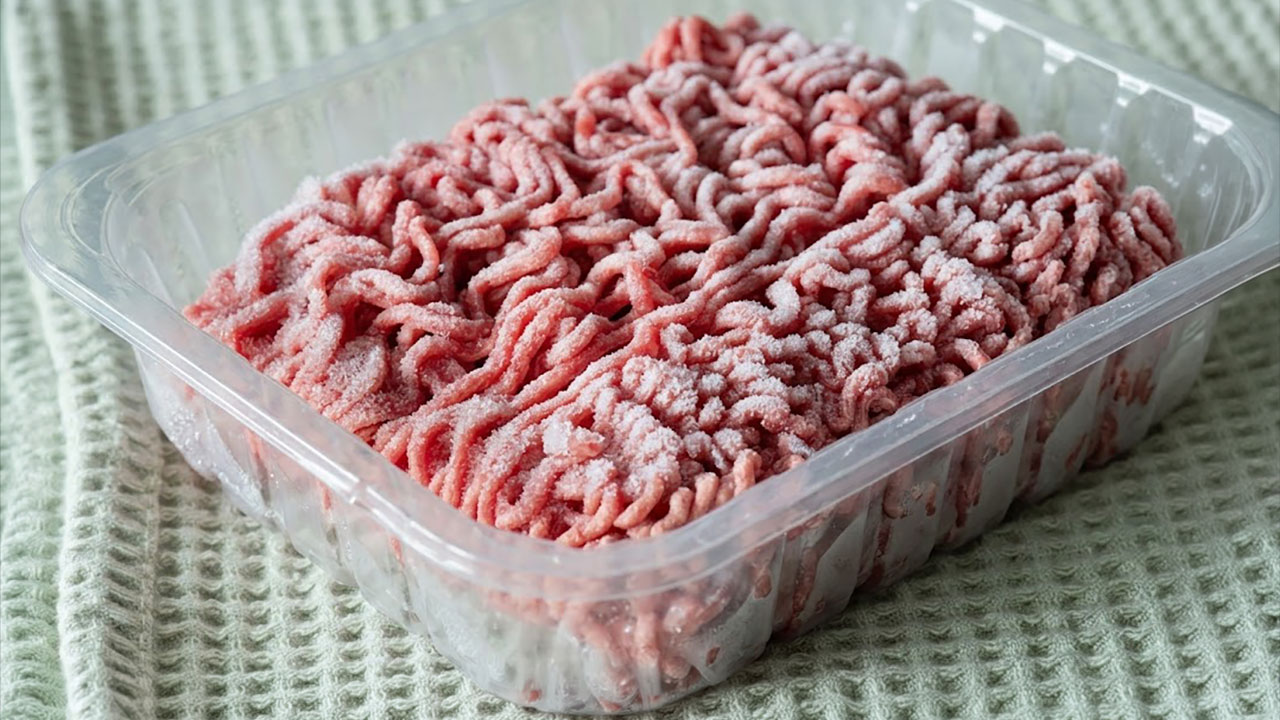
He also said the way meat is packed before freezing affects its quality. If, for example, someone buys 1kg of mince in a bag and freezes it as it is, too much air remains around the meat. “If it stays there long enough, it’s going to get something called freezer burn, which is when moisture escapes and oxidises,” he said. “It’s not that freezer burn makes the product unsafe, but it doesn’t taste great, and you have to do a lot of trimming to get rid of the freezer burn.”
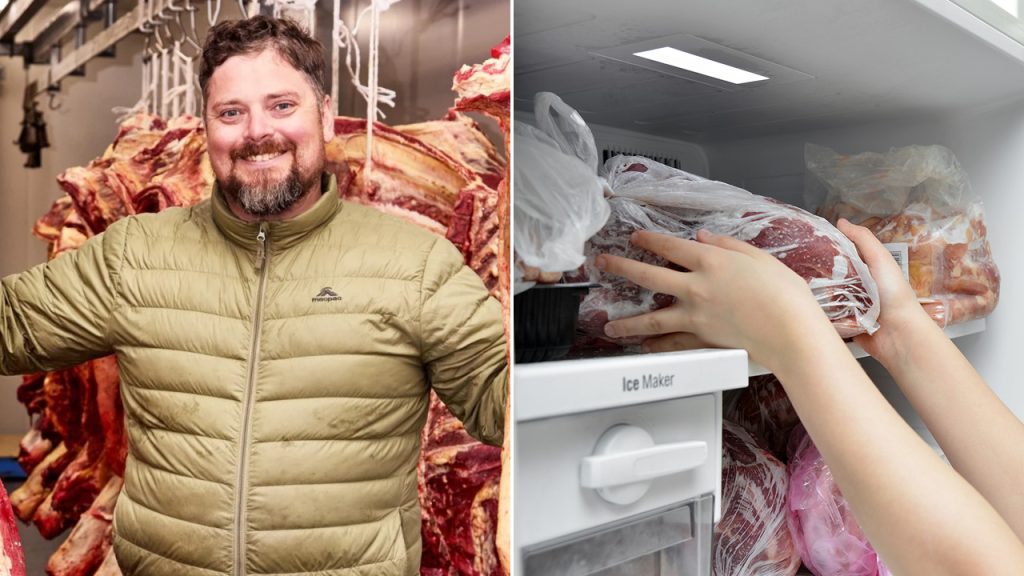
As a guide, meat should only be kept in the freezer for three to six months, depending on how often the freezer is opened.
Renfrew said people also run into trouble when thawing meat, especially if it has been frozen in a large lump, such as a 1kg ball of mince, which takes much longer to defrost.
He warned against leaving meat to thaw on the kitchen bench, in the sink or in warm water for long periods. “This promotes rapid bacterial growth on the outside whilst the inside is still frozen,” he said, adding that the juice from the meat going onto the bench also creates bacterial issues.
He said the “danger zone” for meat is between 5 and 60 degrees, which is when bacteria commonly linked to food poisoning can multiply.
The safest way to defrost meat, he said, is slowly in the fridge over a few days. It should be placed on the bottom shelf on a plate so juices do not drip onto uncovered food below.