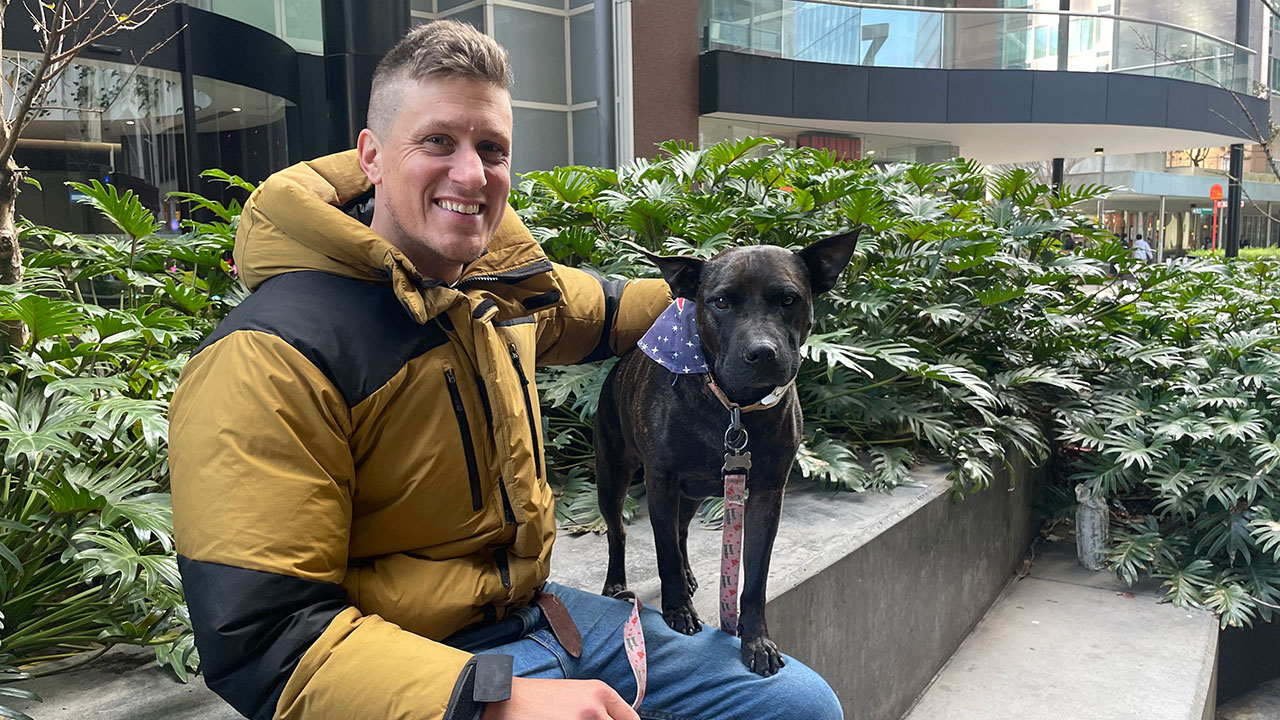
An Australian tech executive with no formal biology training has used ChatGPT to help create a personalised cancer vaccine for his rescue dog, Rose, after she was given a devastating diagnosis.
Rose, an eight-year-old Staffy Shar Pei cross, was found abandoned in bushland before Paul Conyngham adopted her from a shelter in 2019. Not long after, their settled life together turned into a string of vet visits and worst-case fears. In 2024, Rose was diagnosed with mast cell cancer, an aggressive disease that led to multiple surgeries and rounds of chemotherapy costing thousands of dollars. Even with treatment, the tumours kept spreading. The best the conventional approach could do was slow it down.
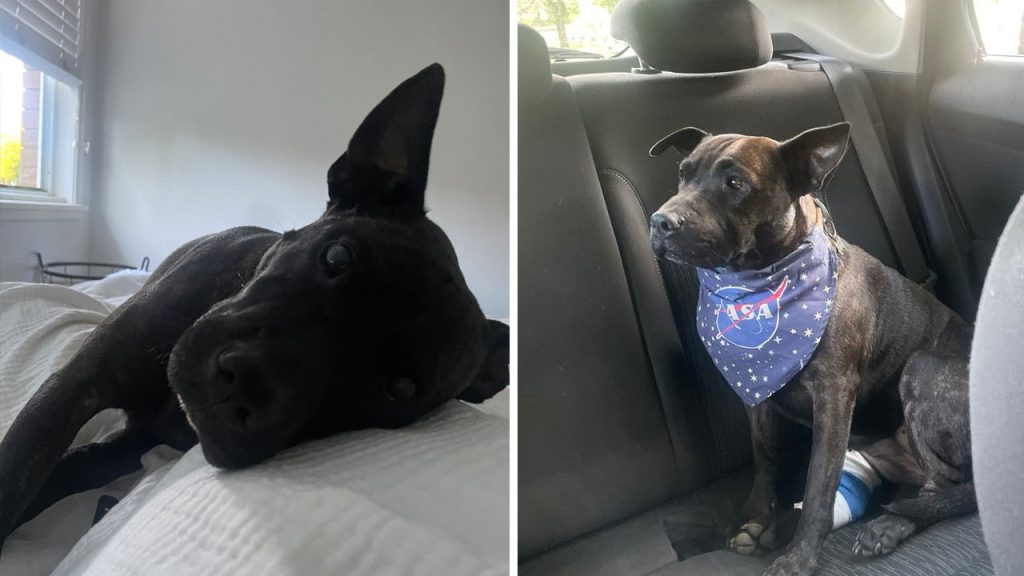
Conyngham, feeling the helplessness so many pet owners know, decided to try a different path by using AI to help bridge the knowledge gap. “Rose is my best mate. She’s been with me through really tough times. Through a break-up, through business deals, through walks in the forest,” Conynghaam told Sunrise. “When she was handed the sentence, I felt I had to do my part for her.”
Using his background in technology and data analysis, he converted Rose’s DNA into data and worked through the complex problem with AI support. “ChatGPT assisted throughout the entire process,” he said.
Conyngham then approached researchers at the University of New South Wales with the personalised sequence he had designed, asking if they could help turn it into a real-world treatment. The initial reaction was cautious. “We often get oddball queries, and this one was coming from a private individual looking to sequence his dog,’’ Associate Professor Martin Smith told The Australian. He explained why the request mattered: “DNA sequencing is a way to profile the tumour and identify mutations that might be causing the disease.’’
As director of UNSW’s Ramaciotti Centre for Genomics, Smith would normally decline requests like this because converting raw genetic data into an actionable treatment is notoriously difficult. But Conyngham insisted he could do the heavy lifting on the analysis side, telling researchers, “No worries, I’m a data analyst, and I’ll figure this out with the help of ChatGPT”.
Researchers later described him as “relentless”, and said his drive helped spur the team on. UNSW RNA Institute director Professor Pall Thordarson joined the effort, and the timeline moved faster than expected. “Once we had the sequence that Paul designed, it was less than two months,” Prof Thordarson told Sunrise.
The project also had to clear Australia’s strict ethical requirements, including a 100-page document to gain approval for a drug trial. Support then came from the University of Queensland, where Professor Rachel Allavena had existing approvals that could cover this kind of experimental approach in dogs. “I run cancer research programs in dogs where we look at a lot of experimental immunotherapies, so I had ethics in place that would cover Paul’s type of vaccine,’’ Professor Rachel Allavena told The Australian.
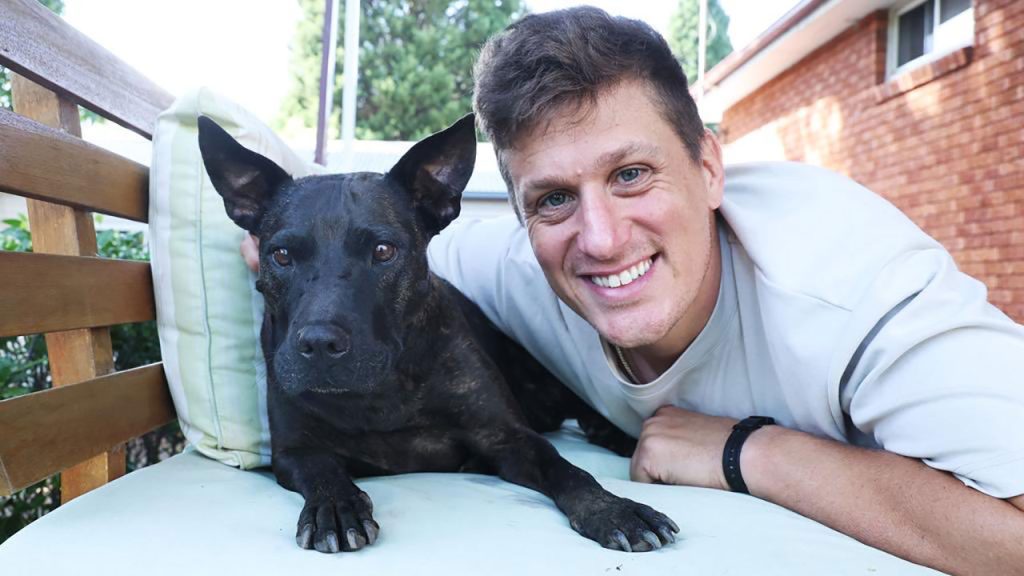
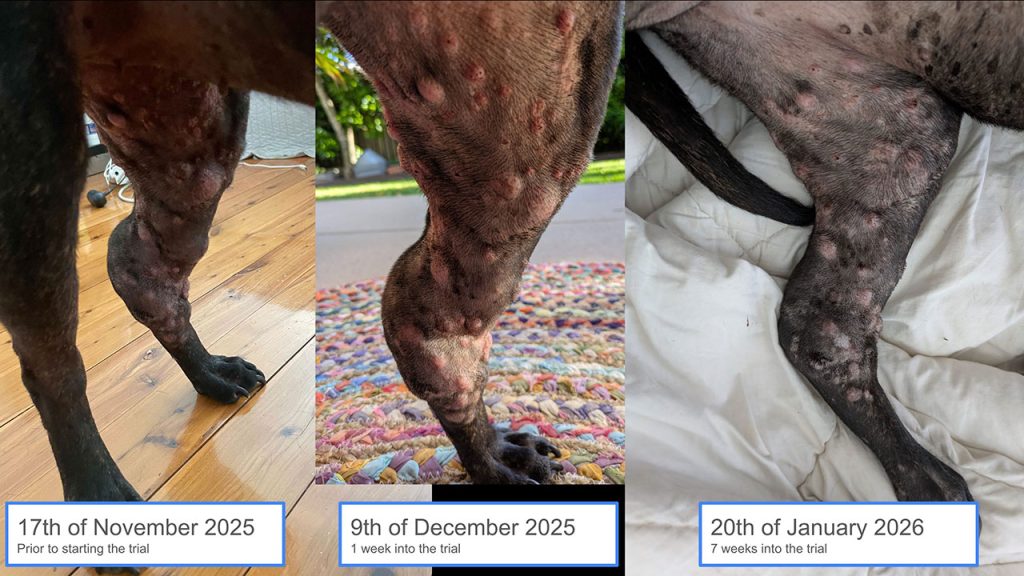
Once approval was granted, Rose received her first dose in December, followed by a booster shot last month, with another dose due this week. Conyngham says the difference has been striking. “At the start of December, her mobility was way down. She started to shut down and be a bit sad. Towards the end of January, she was jumping over a fence to chase a rabbit,” Conyngham said. “I think its added considerable life span and health span to Rose.”
The story has also lit up online, with people reacting to what it could mean for both animal and human health. Elon Musk called it “just the beginning.” Venture capitalist Chamath Palihapitiya shared the story on X, writing “just do things.” Others pointed to the more practical potential of AI. “This story hits differently than the usual ‘AI replaces doctors’ panic,” one user wrote. “This is when people realise AI is more than just some chatbot that gives you dinner ideas,” another added. A third summed up the mood: “What an incredible time we live in.”
Veterinarians say the case is exciting, but it also comes with cautions. Sydney vet Dr Sam Sorauer said the underlying idea is already established in human medicine. “Computer modelling for personalised cancer vaccines has been used for the past five years in human medicine and it is wonderful to see the application in animals now. Every tumour has a unique profile – think of it like a fingerprint,” he said. “This application of AI speeds up the identification of unique aspects of that particular tumour, so that a vaccine can be developed for that individual animal’s cancer. “Cancer occurs and spreads when the immune system doesn’t recognise it as a threat. The vaccine helps the body work out that the cancer is ‘foreign’ and needs to be eliminated by the immune system.”
At the same time, he warned against treating AI as a substitute for professional care. “Every single day, clients are coming to us showing us what they have asked ChatGPT. A year ago it was all about ‘Googling’ symptoms,” he said. “I encourage clients to use AI to help them ask their veterinary care team targeted questions about their pet’s options for treatments.” He added, “AI is not something us as a veterinary community should be concerned about, unless owners use it for home remedies that delay access to vet care or in fact can have side effects,” and noted, “It can really help owners understand their pets conditions and why the vet is recommending certain treatment plans, so I encourage all vets to embrace AI search type queries and not to chastise owners who will inevitably use it.”
After spending tens of thousands of dollars, Conyngham says the work is not finished. He is now preparing a second round of sequencing to understand why parts of Rose’s tumour did not respond as hoped. With growing interest from other pet owners, he’s also looking into whether a similar approach could help others. “A lot of people have been asking if this can be done for their dogs and for people. I’m speaking with everyone involved to see what is possible here,” he wrote in a social media post.