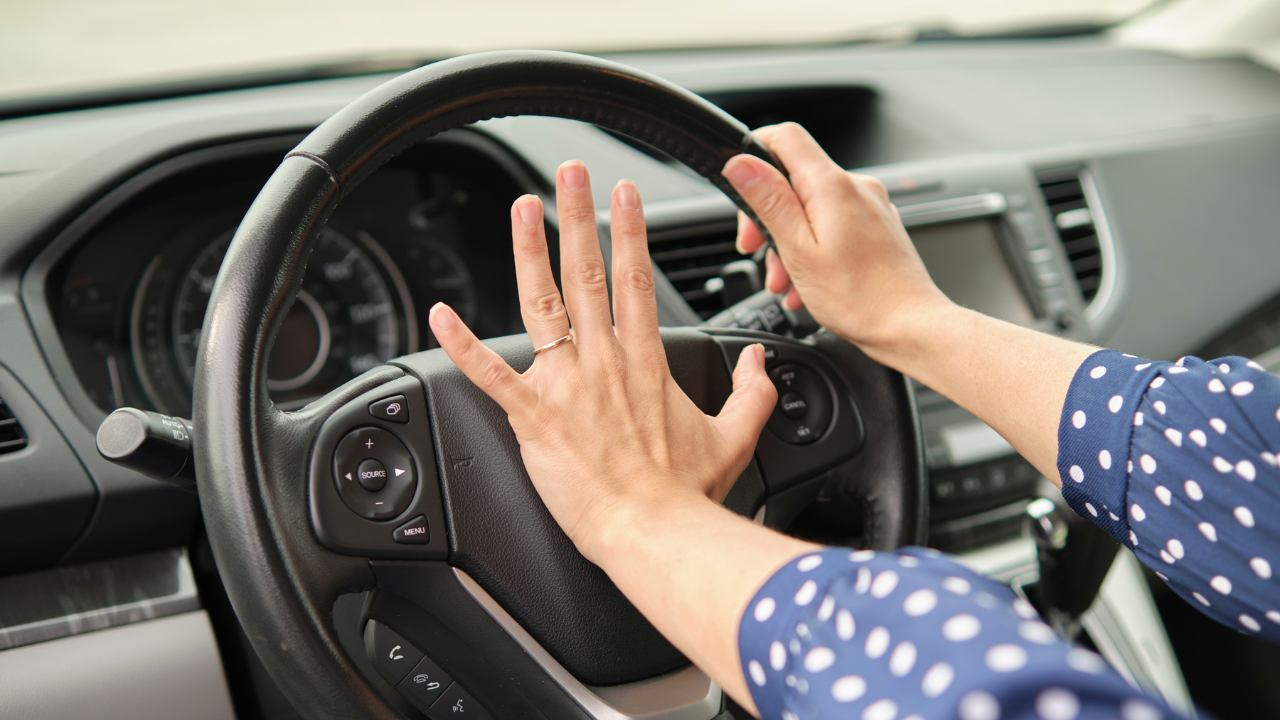
Aussies have voted on the most annoying driving habits, with a new survey showing many of the top complaints are both common and potentially dangerous.
A poll conducted by Youi revealed the six most annoying driving habits encountered on Australian roads.
Tailgating came out on top, with more than half of respondents ranking it among their top three frustrations.
More than 40 per cent named it the number one most annoying habit.
Failing to use indicators followed in second place, with 36 per cent including it in their top three.
Cutting into a lane without warning placed third, cited by 29 per cent of those surveyed.
Driving too slowly in the right lane, using a phone while driving, and displays of road rage were also frequently reported as major irritants.
Almost 40 per cent of respondents said they witnessed these behaviours on a weekly basis, while nearly one in five said they encountered them almost daily.
About a quarter reported having previously flagged unsafe or annoying behaviour by other drivers.
When asked how these habits should be addressed, more than 40 per cent of Australians surveyed supported stricter penalties. Many of the existing penalties are already substantial.
Tailgaiting
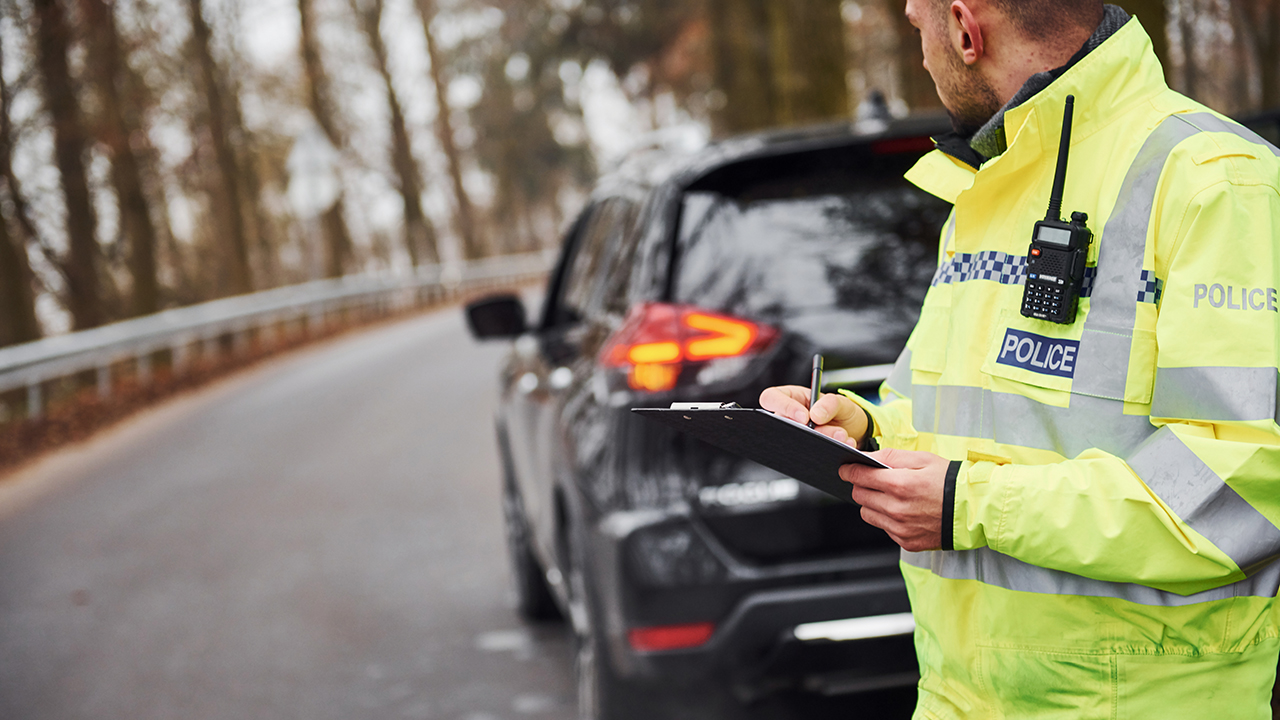
Tailgating, or following a lead vehicle too closely, is both dangerous and illegal in Australia. Current fines and penalties include:
- NSW: $562 fine and three demerit points
- Queensland: $389 fine and one demerit point
- Victoria: $305.26 fine and one demerit point
- ACT: $447 fine and one demerit point
- SA: $414 fine and one demerit point
- WA: $200 fine and two demerit points
- NT: N/A
- Tasmania: Fine of up to 10 penalty units ($2050)
Not using indicators
Failing to indicate when turning, or misusing indicator lights, can result in fines and other penalties.
Fines and penalties are as follows:
- NSW: $235 fine and two demerit points
- Queensland: $100 fine and two demerit points
- Victoria: $203.51 fine and up to two demerit points
- ACT: $224 fine
- SA: $392 fine and two demerit points
- WA: N/A
- NT: $60 fine
- Tasmania: $146 fine and two demerit points
Cutting in without warning
It is an offence to overtake without leaving adequate space or to merge when it is not safe to do so, commonly referred to as “cutting in”.
Fines and penalties are as follows:
- NSW: $423 fine and two demerit points
- Queensland: $233 fine and two demerit points
- Victoria: $407.02 fine and two demerit points
- ACT: $335 fine and two demerit points
- SA: $377 fine and two demerit points
- WA: $400 fine and four demerit points
- NT: $70 fine
- Tasmania: Fine of up to 10 penalty units ($2050)
Driving too slowly in the right lane
There are no specific road rules or penalties for driving too slowly in the right lane. However, it is an offence nationwide to travel significantly below the speed limit in a way that obstructs other vehicles. Drivers may also face penalties for staying in the right lane when not overtaking on roads marked with ‘keep left unless overtaking’ signage or on some high-speed roads.
Using a phone while driving
Using or even touching a mobile phone while driving is illegal in all Australian jurisdictions.
Penalties include:
- NSW: Fines start at $423 and five demerit points
- Queensland: $1,251 fine and four demerit points
- Victoria: $611 fine and four demerit points
- ACT: $548 fine to $674 and three to four demerit points
- SA: $658 fine and three demerit points
- WA: $500 fine to $1000 and four demerit points
- NT: $500 fine and three demerit points
- Tasmania: $410 fine and three demerit points
Aggressive driving and road rage
Aggressive driving and road rage are not standalone offences, but violent or threatening behaviour behind the wheel can result in significant penalties, including imprisonment.
Furious and reckless driving refers to knowingly or carelessly operating a vehicle in a manner that seriously endangers others.
Predatory and menacing driving offences apply when a driver pursues or threatens another road user with the intent to cause physical harm.
Penalties vary depending on the offence and the jurisdiction in which it occurs.
Images: Shutterstock