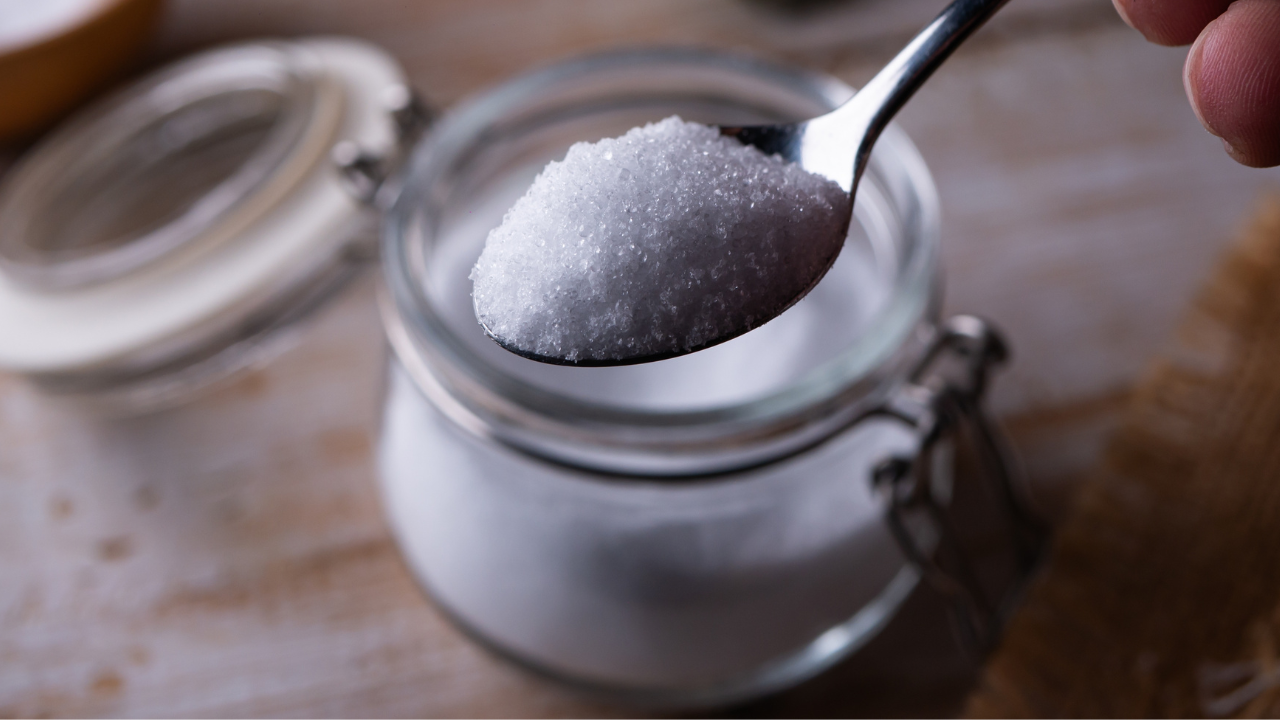
A popular sweetener found in sugar-free soft drinks, protein bars and chewing gum has been linked to a potential increased risk of stroke, according to new research. Here is what the latest study says about erythritol.
Thanks to the lingering fallout from the 1990s-era demonisation of sugar, a new alternative seems to gain popularity every few years.
The warnings, risks and supposed benefits of each regularly make headlines, prompting consumers to swap one powder, crystal or tablet for another in their morning coffee.
Now, researchers have raised concerns about erythritol, a sugar alcohol commonly used in sugar-free gum, soft drinks, protein bars and lollies.
What is erythritol?
Erythritol is approved for use as a sugar substitute in Australia. It occurs naturally in foods such as grapes, pears, watermelon, and some fermented foods and beverages. The human body also produces small amounts.
The sweetener is approximately 70 per cent as sweet as sugar, is low in energy and is widely used in sugar-free products, often favoured because it does not have a strong aftertaste.
Like other sugar alcohols, erythritol can have a laxative effect or cause bloating when consumed in excess.
What the new study found
Researchers from the University of Colorado examined the effects of erythritol on cells that make up the blood-brain barrier. The cells were exposed to concentrations of the sweetener similar to those found in some soft drinks.
After exposure, the researchers observed cell damage that could potentially increase the brain’s vulnerability to blood clots.
The Queensland Brain Institute describes the blood-brain barrier as “a barrier between the brain’s blood vessels (capillaries) and the cells and other components that make up brain tissue. Whereas the skull, meninges and cerebrospinal fluid protect against physical damage, the blood–brain barrier provides a defence against disease-causing pathogens and toxins that may be present in our blood.”
The research team identified several concerning responses in the exposed cells.
Oxidative stress
Oxidative stress occurs when free radicals are produced faster than the body can neutralise them, leading to potential cell damage.
The study found that cell function was impaired following exposure to erythritol, and some cells died.
Restricted blood flow
Nitric oxide and endothelin-1 help regulate blood flow by widening and constricting blood vessels as needed.
The findings suggested that erythritol disrupted this balance by reducing nitric oxide production and increasing endothelin-1 levels. This imbalance could leave blood vessels constricted, limiting oxygen and nutrient supply to the brain and potentially increasing the risk of blood-clot-related strokes.
Reduced ability to dissolve blood clots
When blood clots form, the body relies on the enzyme plasmin to break them down.
A plasminogen activator (PA) converts plasminogen into active plasmin to enable this process.
The study found that exposure to erythritol interfered with this mechanism, potentially increasing the likelihood that clots would remain undissolved.
Previous research has also suggested a possible link between erythritol and an increased risk of stroke and heart attack. One researcher from Cleveland Clinic said there are “some concerns that a standard serving of an erythritol-sweetened food or beverage may acutely stimulate a direct clot-forming effect”.
More research needed
The most recent study was conducted using isolated cells in a laboratory setting. The researchers said that the findings cannot definitively demonstrate how erythritol affects the human body.
“However, the markers and mediators of brain microvascular endothelial cell function studied herein have been shown to have strong causative links with the development of cerebrovascular dysfunction, neuronal damage and injury, thrombosis, and acute ischemic stroke”, they noted.
“Additional clinical studies are warranted on the potential long-term health effects of erythritol consumption.”
Images: Shutterstock