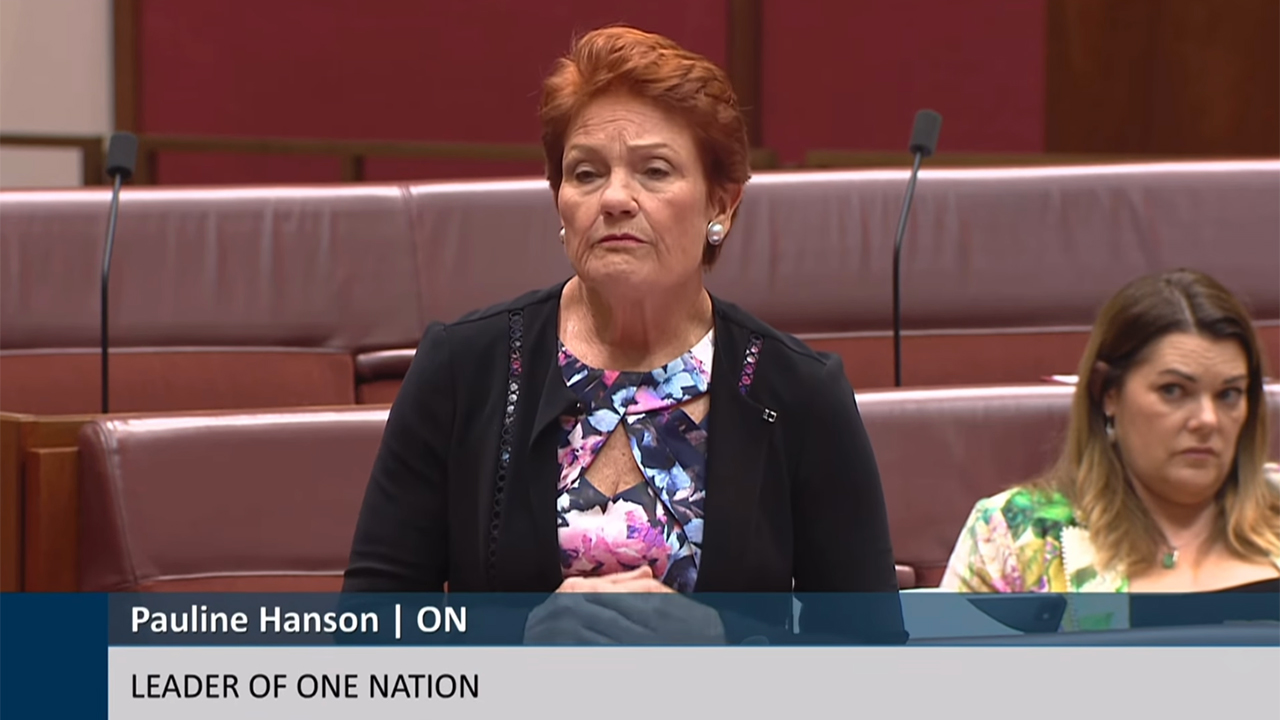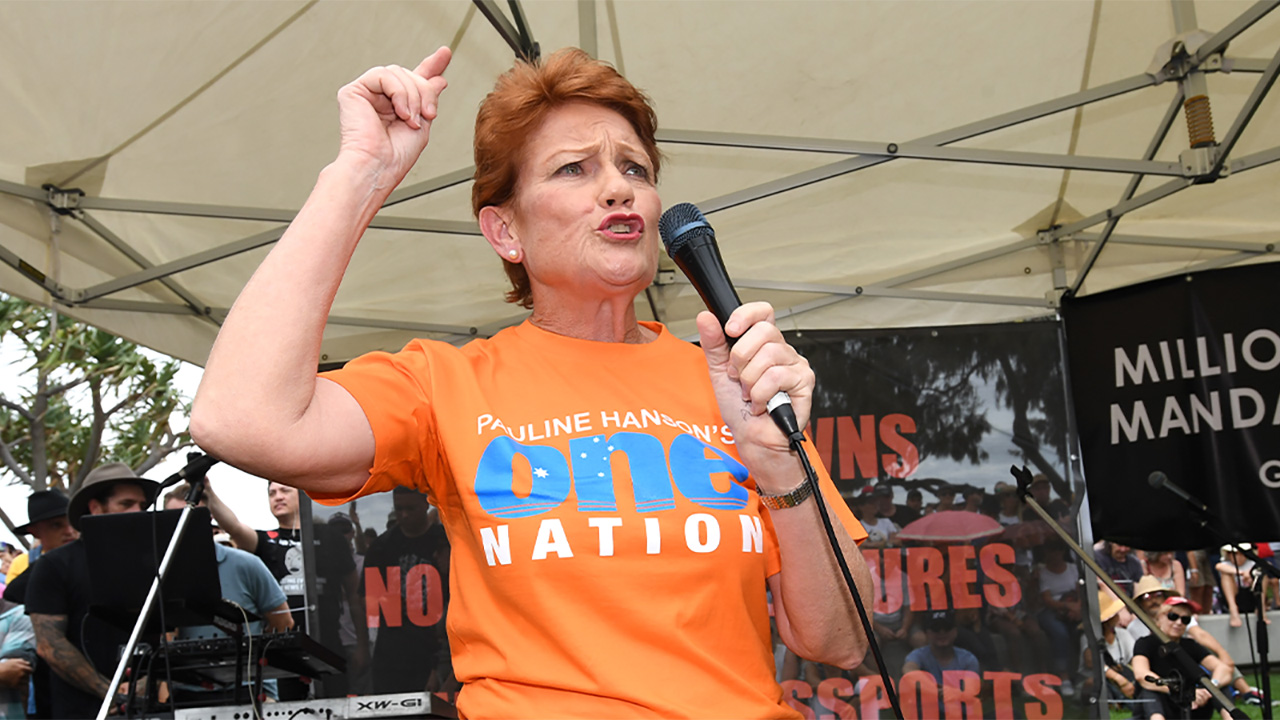
One Nation leader Pauline Hanson has declared she is “not interested” in joining forces with the Liberal and National parties at the next federal election, pushing back on speculation that her party’s growing support could lead to a formal alliance aimed at defeating Labor.
Hanson’s party has been in the spotlight after a run of strong polling suggested One Nation is now the second most popular political force in the country, behind only Labor. The surge has come as the Coalition has been dealing with internal infighting and dysfunction, splitting and then reuniting twice in the space of nine months. Against that backdrop, One Nation’s rise has sparked renewed discussion about whether it could become a central part of the conservative side of politics, or even seek to merge with Australia’s other two right-wing parties.
Hanson dismissed those rumours, rejecting any push for a combined “super coalition”. “No I don’t want a super coalition, not interested,” she said. She also insisted she is not chasing power or a role in government, adding: “I don’t want any ministerial positions, I want to remain completely independent and judge the legislation that’s been put up.”
Rather than working with the major parties, Hanson and high-profile One Nation recruit Barnaby Joyce believe the Coalition and Labor will instead focus on trying to halt One Nation’s momentum as the election draws closer. “When we get close to a federal election I can assure you of one thing – it’ll get dirty,” Mr Joyce said. “It will be a concentration, I believe, in both the National Party and the Liberal Party, and the Labor Party, to get rid of the One Nation Party.”
Hanson echoed that view, arguing her movement is seen as a challenge to the existing political order. “I’m a threat to the establishment,” she said. Even so, she suggested the criticism only strengthens her resolve. “I’ve still got the fight in me,” she said.
The next few months will help show whether One Nation’s polling support converts into real votes. The party’s first major test is due later this month in South Australia, with the state election scheduled for March 21. A strong result in a state currently overseen by Labor Premier Peter Malinauskas could build further momentum nationally and indicate whether recent polling shifts are likely to carry through to election day.
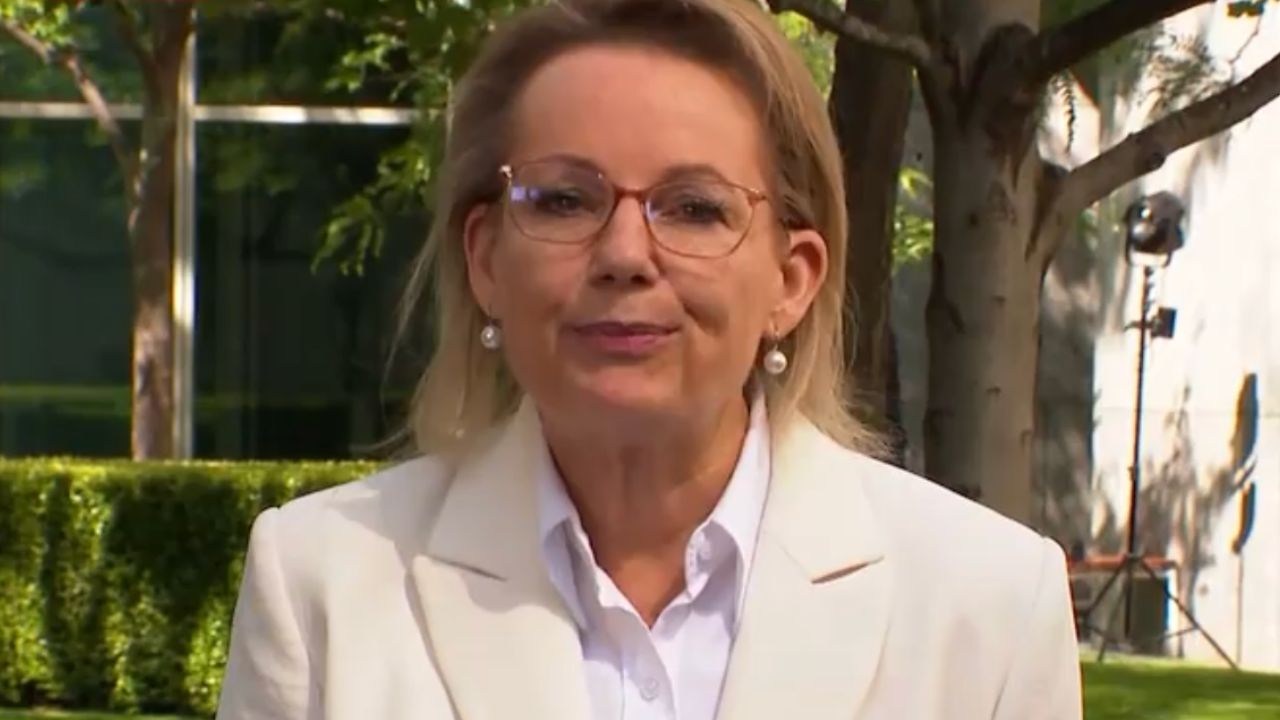
Another closely watched contest will be the federal by-election in Farrer, called to replace former opposition leader Sussan Ley. One Nation will run agricultural businessman David Farley, with voters expected to head to the polls in May.