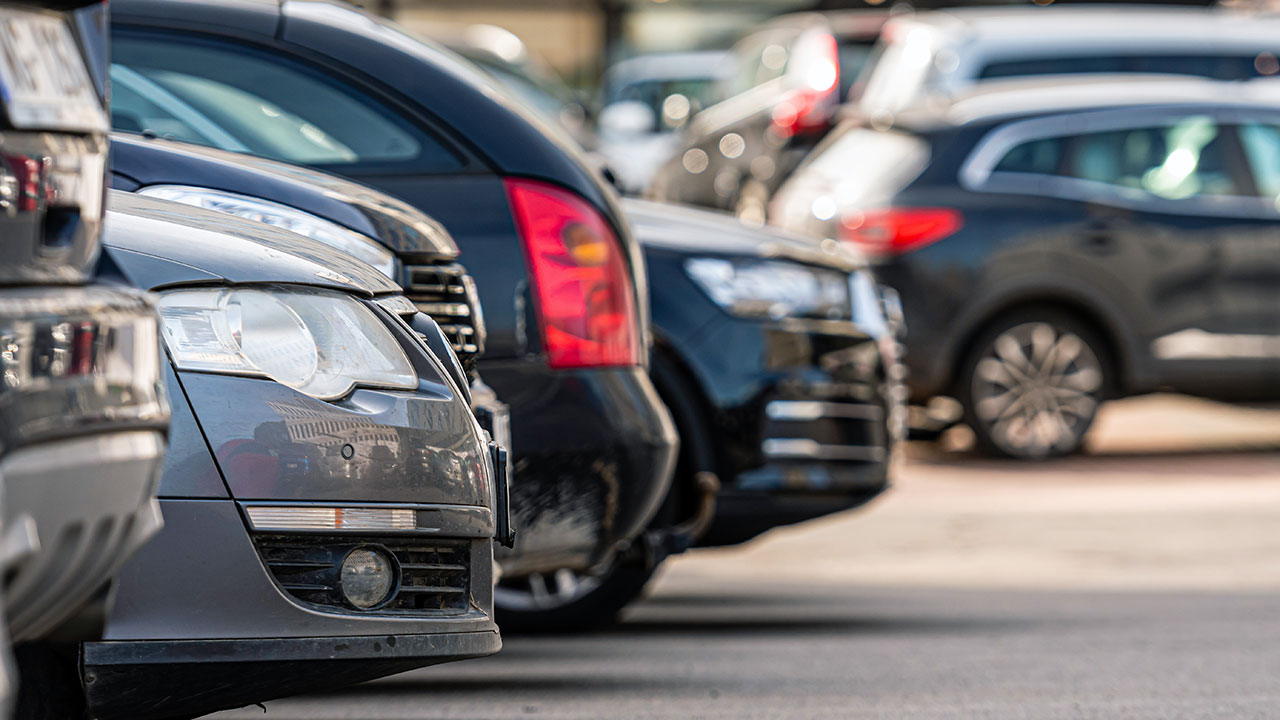
Should you reverse into a parking space, or reverse out? That fairly innocent question, raised in a February 2026 article in The New York Times, has ignited an unexpectedly passionate debate in the United States. The Times noted that more American drivers are now backing into parking spaces instead of going in nose-first.
Writer Steven Kurutz suggested the shift may be linked to broader unease, arguing that “reversing into a space is a response to the ambient anxiety in our society … backing in so you can quickly get out provides a sense of security”. He also wrote that the American Automobile Association updated its advice in 2020, officially encouraging drivers to reverse into parking spaces for safety reasons.
Even so, Kurutz said he personally remains unconvinced. “It seems likely the practice will proliferate … but I can’t bring myself to join in, and I don’t fully accept the safety argument,” he wrote.
Readers flooded the article with thousands of comments, often contradicting each other. Some argued backing in wastes time, while others insisted it actually speeds things up. A few blamed “oversized pick-up trucks” for making nose-first parking harder, while others pointed to fears about mass shootings as a reason to prioritise a quick exit. And for plenty of people, the practical frustration is simpler: reversing in can make it more awkward to load groceries into the boot.
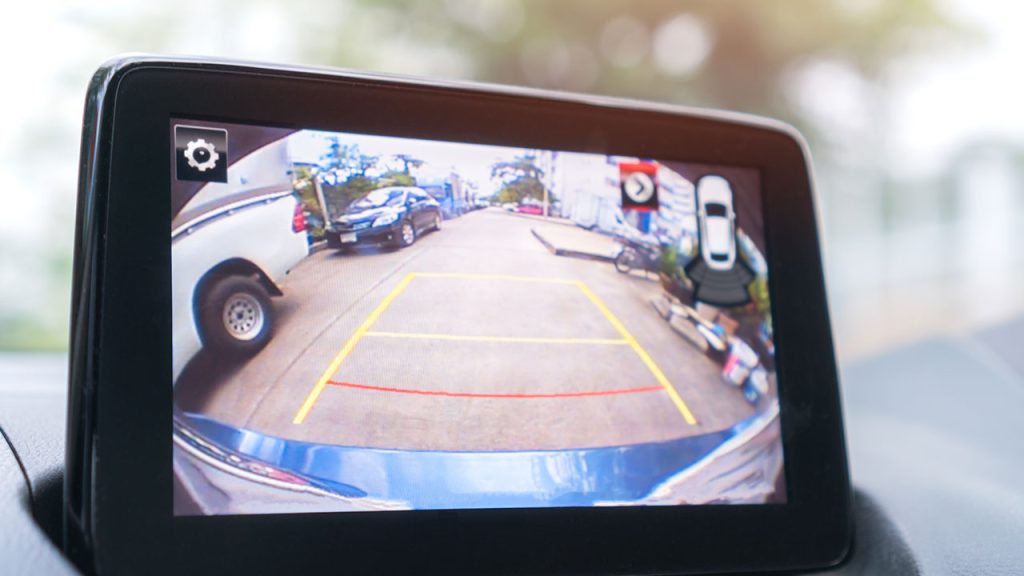
In Australia, defensive driving instructor Kevin Flynn, who runs Melbourne-based driving school Driver Dynamics and trains police and army drivers, takes a much firmer position. He said there’s “no excuse” for modern drivers not to reverse into a space. “If you work for me and you drive [forwards] into a parking spot, it’s going to be your last day. Every time we park at Driver Dynamics, we reverse it in,” Flynn said. “With reversing sensors and reversing cameras, there’s no excuse for not doing it anymore.”
Flynn’s view is that reversing in makes drivers assess the space properly, because you must drive past the spot and visually check it’s clear before backing in. He also believes it can reduce risk in certain situations. “If you’re in a Kmart carpark late at night and you’ve driven your car in, it’s not much of a challenge to carjack you,” he explained.
Ideally, Flynn said, drivers would pull forward through one empty space into the next, avoiding the need to reverse in while still setting up an easy forward exit. If that’s not possible, his stance is blunt: “there’s no advantage ever to driving in [to a parking space] forwards”.
This isn’t just opinion, either. Research published in 2015 by the National Road Safety Partnership Program found there were arguments on both sides, but that reversing into spaces was generally preferred across the broader automotive industry. The Institute of Advanced Motorists said “reversing into a space meant cars were in a safer position for pulling away”, while the NRSPP noted that industrial companies and fleet operators often adopt policies requiring that “vehicles are to be parked so that their first movement is in a forward direction” to support evacuation and emergency response.
Of course, not everyone buys the safety logic. Ten years ago, American author Matthew Dicks tested the idea himself in a blog post titled I spent a week backing into parking spots to see if it made any sense. Here is what I discovered. His verdict was clear: “backing into a parking spot is time-consuming and not safer”.
In February 2026, Dicks reflected on just how heated the topic remains. “Over the past decade, I have received more responses to this post than any other of the more than 8200 posts. By a wide margin. People have strong opinions about parking,” Dicks wrote in a Facebook post. “The responses are always one of two types: ‘Thank you for saying what I have been thinking for years’ [or] ‘You’re an idiot’.” He added, “The people who call me an idiot are, of course, the dumb-dumbs who always back their cars into parking spots.”
Whether you see reverse parking as common sense or unnecessary fuss, the one point most people can agree on is that this small everyday habit comes with surprisingly strong feelings attached.