The war in Ukraine has left many across the world feeling stressed and anxious. Coming on the back of a global pandemic which has already had a devastating toll on mental health, news of the war has only compounded feelings of fear and uncertainty which are known to increase anxiety.
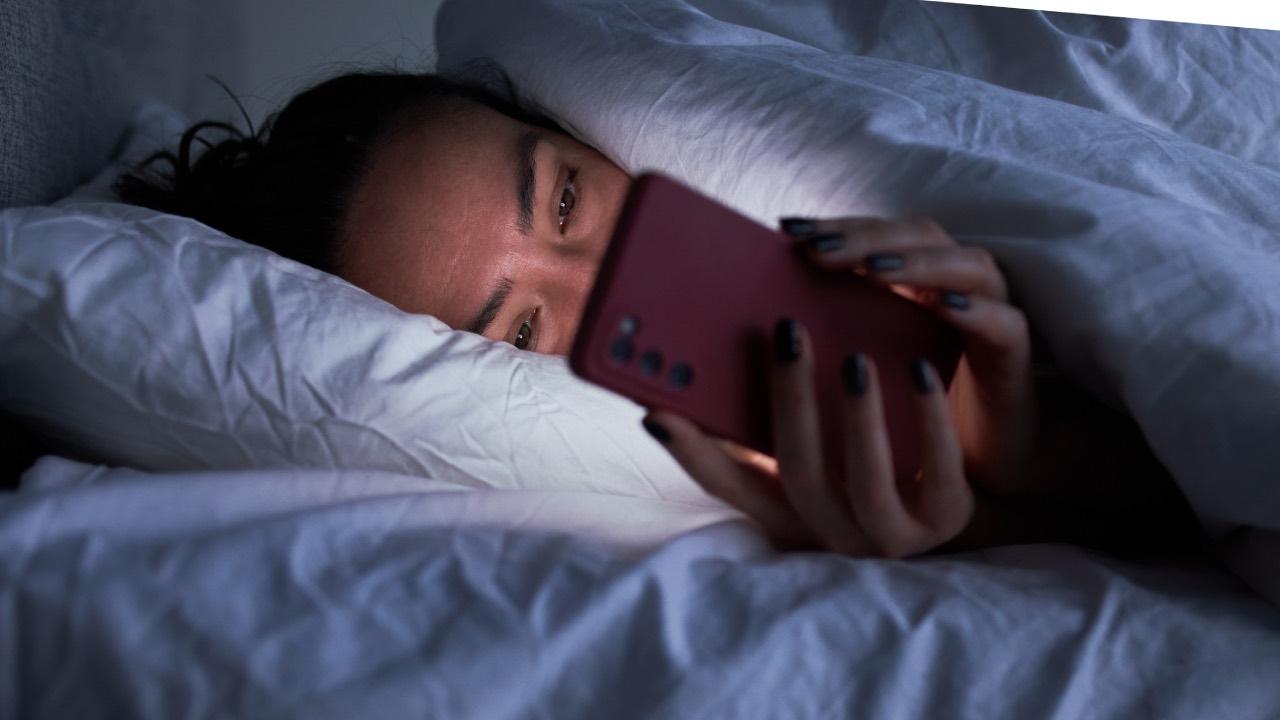
People far from the conflict may be wondering why their mental health is suffering as a result of the news and images they’re seeing. Part of this can be explained by the fact that our brains are designed to scan for threats to protect us from potential danger. This can lead to an almost unstoppable, constant scouring of the news to help us prepare for the worst – a phenomenon many might know better as “doomscrolling”.
Research shows that even short exposure to bad news can lead to increased levels of worry and anxiety that can be long lasting. Bad news can also perpetuate negative thinking, which can lead to feeling caught in a loop of distress.
Another reason watching news from Ukraine may be affecting mental health is because witnessing the suffering of others can actually cause us to feel pain. Seeing personal stories shared on social media makes us feel more connected to people than statistics about casualties might – increasing our empathy further.
Generally, people are told to avoid engaging with the news if it’s affecting their mental health. Yet this is hard to put in practice – especially given the constant stream of unfiltered stories across social media, and a desire to stay up-to-date with what’s going on.
Here are some other ways you can manage your mental health that don’t require you to switch off:
Managing wellbeing
Acknowledge the feelings: Many people try and dismiss their feelings by saying things like, “I’m being silly – there are people who are really struggling in the world.” While undoubtedly there are others suffering, this doesn’t invalidate the feelings you have.
You can feel anxious and upset for yourself and for others, or even have mixed feelings of being grateful (that you are safe) and sad (that others aren’t). Trying to rationalise or dismiss emotions never actually makes them go away – it can even make you more emotional and less able to cope.
Acknowledging and accepting our feelings without judgement can lead to improved mental health by reducing the burden of denying negative feelings.
Engage with your feelings: The stories that are emerging may trigger our own personal experiences of feeling helpless or out of control, feelings of loss, memories of fear of separation from loved ones, or uncertainty.
But the reasons a person experiences each of these emotions will be different. For example, as a person of colour, witnessing the discrimination of minority refugees has touched on my own experiences of discrimination. Images of families being separated may remind people of being unable to see their loved ones during the pandemic.
It might be helpful to write down feelings, or talk to a friend. Speaking about silent thoughts we may be struggling with has been shown to disrupt the stress cycle and have long term benefits such as helping us manage stress better, feel more grounded when we experience anxiety, and even improve overall health.
Take action: Think about whether there are any practical things you can do, such as making a donation to a charity or volunteering. Both of these may help tackle feelings of helplessness and may also improve your mental health by giving you a sense of reward through helping others.
Make time for yourself: Since it’s not always possible – or wanted – to avoid the news altogether, consider controlling when you’re engaging with it. Avoid it just before bed and first thing in the morning because it increases alertness in the brain, which can increase stress levels and make it difficult to relax.
You might also want to consider doing something nourishing for yourself – such as phoning a loved one, going for a walk with a friend, being outdoors in nature or making a favourite meal. This will help shift your mind from troubling news and create a more positive and resilient mindset that can better deal with worries.
Ultimately, we can’t control the outcome of the conflict. But having control over the things that we can change – such as how much news we consume, or the activities we do to help ourselves unwind – will help us better retain our sense of wellbeing when the world feels out of control.
Image credits: Getty Images
This article was originally published on The Conversation.