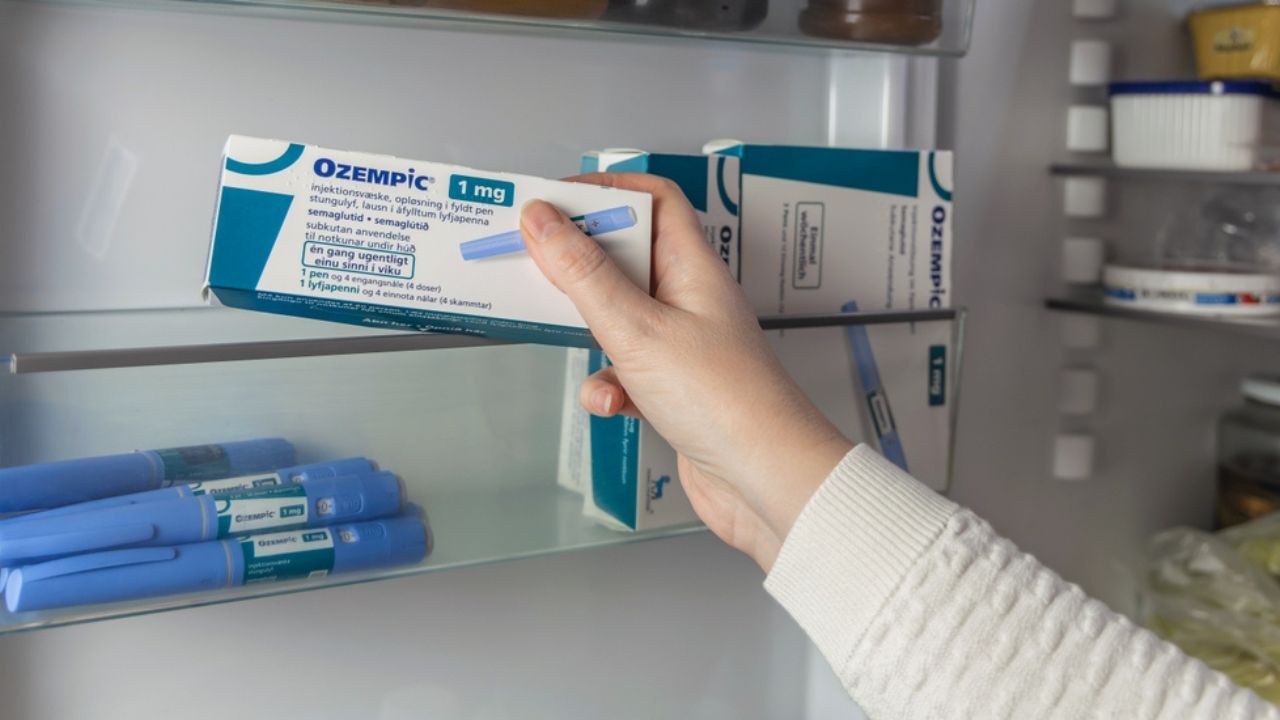
A major international clinical trial is investigating whether the popular weight loss drug Ozempic could also help treat alcohol addiction and slow the progression of alcohol-related liver disease.
The study, sponsored by pharmaceutical company Novo Nordisk, is taking place across Europe, the United States, and seven Australian sites, involving around 240 patients worldwide.
Researchers are testing combinations of three drugs: semaglutide (the main ingredient in Ozempic), cagrilintide, and a FGF21 analogue, which target appetite, alcohol cravings and liver-cell inflammation.
Addiction and liver specialist Professor Paul Haber, who is leading the Australian part of the trial, says the aim is to tackle both alcohol dependence and the serious liver damage it causes.
“These are three protein drugs in various combinations that interact with the appetite, the craving for alcohol, and actually also interact with the cellular damage pathways in the liver,” he told 7NEWS.
“We believe that it has a multiple effect, both on the appetite for alcohol, the appetite for food, and the effect of those things on the inflammation within the liver.”
While the trial is still ongoing, the initial findings have been encouraging.
“The trial has shown that the patients lose weight and at least in some of our patients, they are showing signs of reducing their alcohol use,” Professor Haber said.
The goal is to see whether the drugs can reduce liver inflammation and fibrosis, which can lead to cirrhosis, liver cancer, and liver failure.
Professor Haber added the potential impact is huge for both patients with alcohol problems and those who are overweight or have liver damage.
“Throughout my career we had no specific treatment for patients with both alcohol problems, overweight or liver damage … so it is a transformative time when we’re really starting to see treatments that make a material difference to people’s lives,” he said.
He added that while behavioural improvements are likely, he is “incredibly optimistic” about liver outcomes because the drugs reduce alcohol use, weight and inflammation, but did warn that the drugs are not for everyone.
“You wouldn’t recommend taking these medications for someone who is, you know, two kilos overweight or something,” he said.
The focus is on people at high medical risk, particularly those with alcohol-related liver disease, which is becoming more common as Australians get older.
One participant, Nigel Harpley, 48, knows firsthand how alcohol dependence can take over your life. He says his drinking escalated in his late 30s.
“Like a couple of beers and a bottle of wine, maybe four or five times a week,” he said.
“I felt trapped. I knew it was hurting me, but I couldn’t stop.”
Eventually, he sought help through inpatient treatment, therapy, and medication, and when asked if he would have tried an Ozempic-style treatment earlier, he answered:
“Absolutely, because I guess I did use some medications and I think if the evidence shows that this helps people, it’s something that I guess doctors or whatever would recommend, and I’d be definitely open to adding that to the tools that are available to people.”
SMART Recovery Australia CEO April Long says new treatments are urgently needed.
“One of the biggest challenges in our country right now is alcohol dependency … it often takes people over 12 years to first seek support,” she said.
She also highlighted the wider impact on families, “for every individual struggling, it’s estimated that six people around them are being impacted as well.”
Long says the cost of medications must not prevent access.
“People who are financially in a hard position, it’s really important that any of these pharmaceutical options, there’s equity in how it’s distributed. That’s something we’re really committed to at Smart Recovery. Our meetings are completely free for anybody, wherever they are in Australia,” she said.
The trial has seven treatment groups, with some patients receiving combinations of the drugs and others a placebo, allowing researchers to identify which approach works best.
While full results will only be available after all international data is collected, researchers are already planning studies to see if GLP-1 medications could also reduce cigarette cravings and smoking rates.
“There is a growing area of research applying these drugs … to a range of addictions,” Haber said.
He predicts a new wave of similar medications could be available within 10 years.
Image: Caroline Ruda / Shutterstock.com