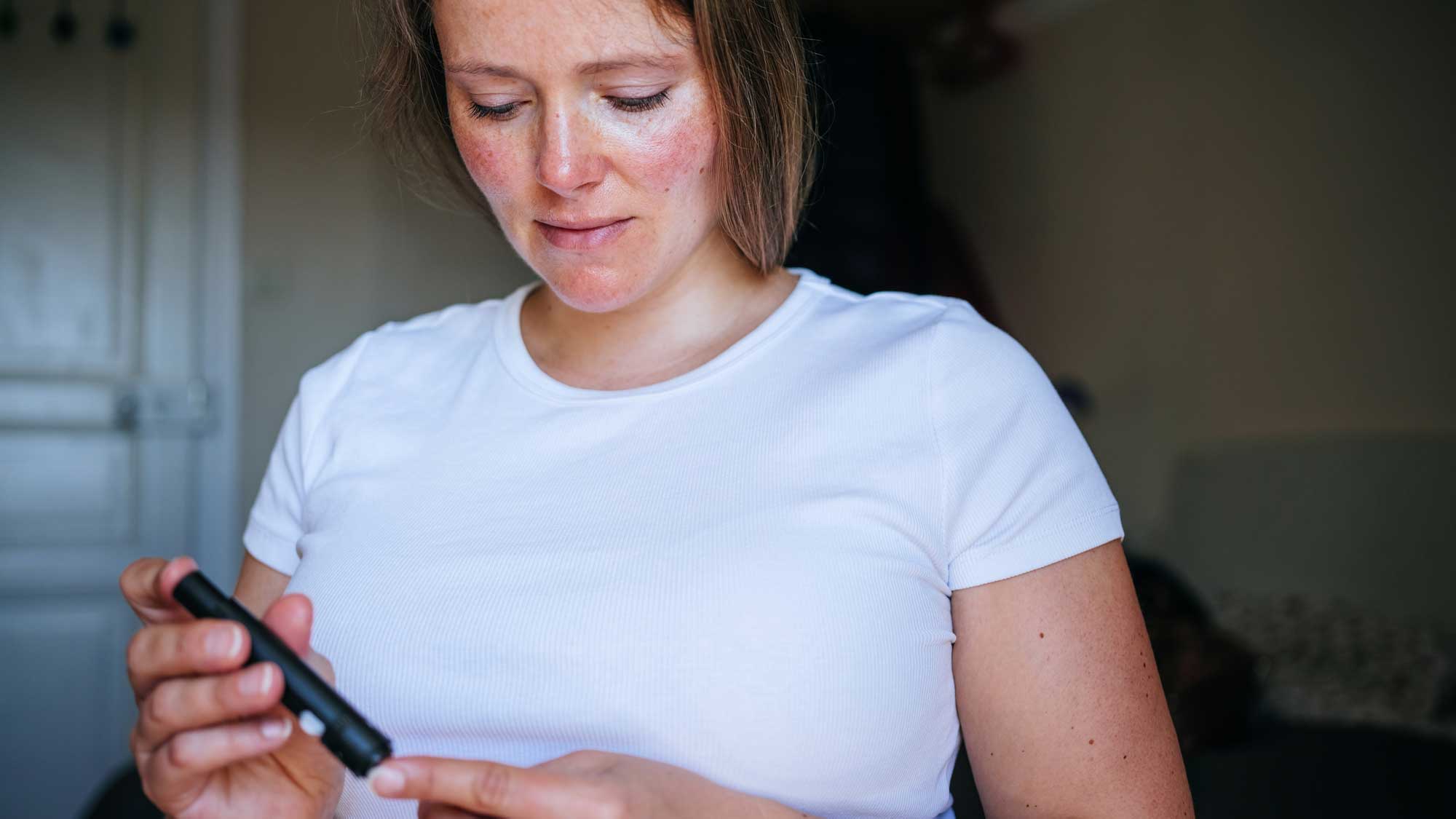
New research could affect the kinds of treatments available for 1.2 million Australians impacted by type two diabetes.
An Australian study is looking for patients to take part in the hopes to replicate a similar trial in the UK that triggered cases of remission.
The study, funded by Diabetes New South Wales and ACT, will involve participants adopting a strict, low-calorie diet for 12 months with fortnightly check-ins.
After trying different weight loss programs over the years, study participant Karen Campagna is now enjoying her new healthy habits.
“I’ve been on this program now since October and I’ve never looked back,” she said.
After losing 15 kilos, her type two diabetes effectively disappeared.
“I’ve had my three monthly checks … perfect, nothing has come back,” she added.
“There is potential to reverse that disease,” said associate professor Tania Markovic from the University of Sydney.
“We know that the way to keep diabetes at bay, keep it in remission, is to maintain the weight loss.”
In the UK study, 46 percent of participants went into remission, with weight loss being a major factor.
67 percent of people who lost 10 kilograms or more had successful remission, while remission was successful for 86 percent of those who lost 15 kilograms or more.
“The DiRECT study found that almost half of participants in the overweight or obese range who followed an intense low-calorie diet of around 850 calories a day, for between 8 and 20 weeks, were able to put their type 2 diabetes into remission,” Diabetes New South Wales and ACT said.
“The more weight that an individual lost, the more likely it was that they achieved remission.”
Lead researcher Kate Gudorf said the findings will give hope to those living with the disease.
“It gives people hope and motivation that maybe their diabetes doesn’t have to be a life sentence,” she said.
“While remission won’t be possible for everyone – the study does offer participants a range of other health benefits – including lower blood pressure cholesterol – and a chance to reduce diabetes medications.”
Places are still available in the study, with the details available here.