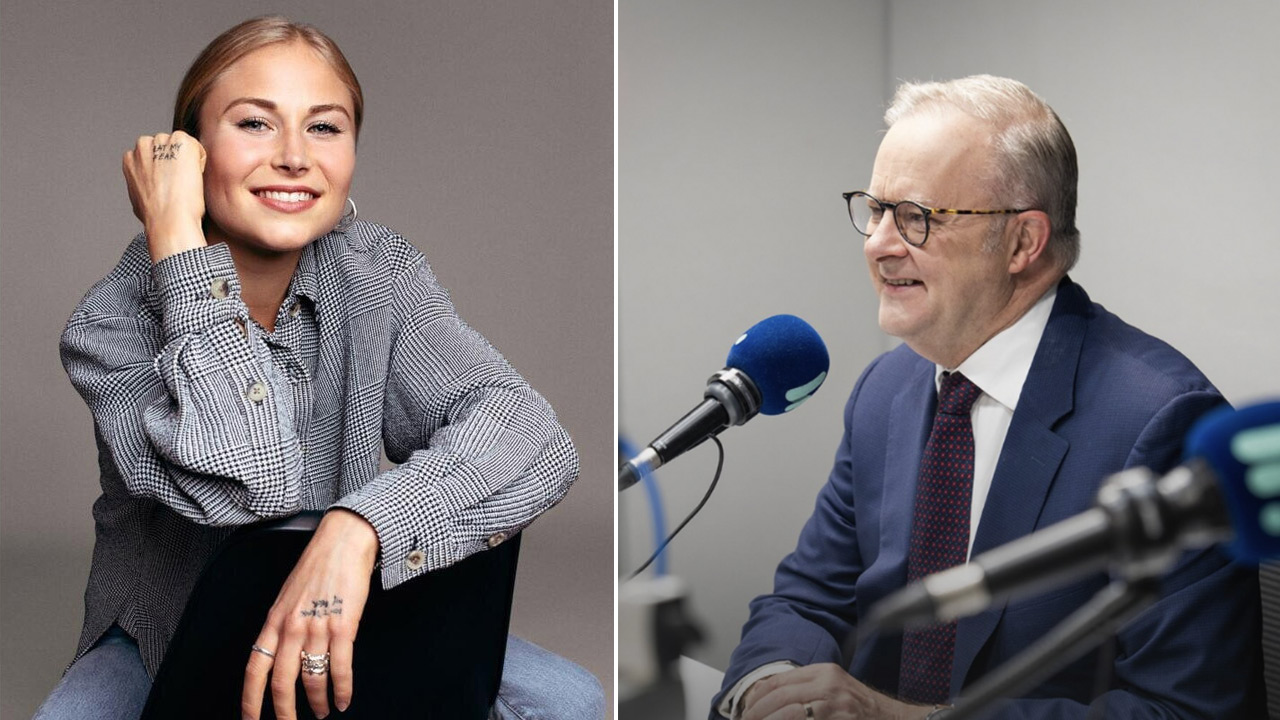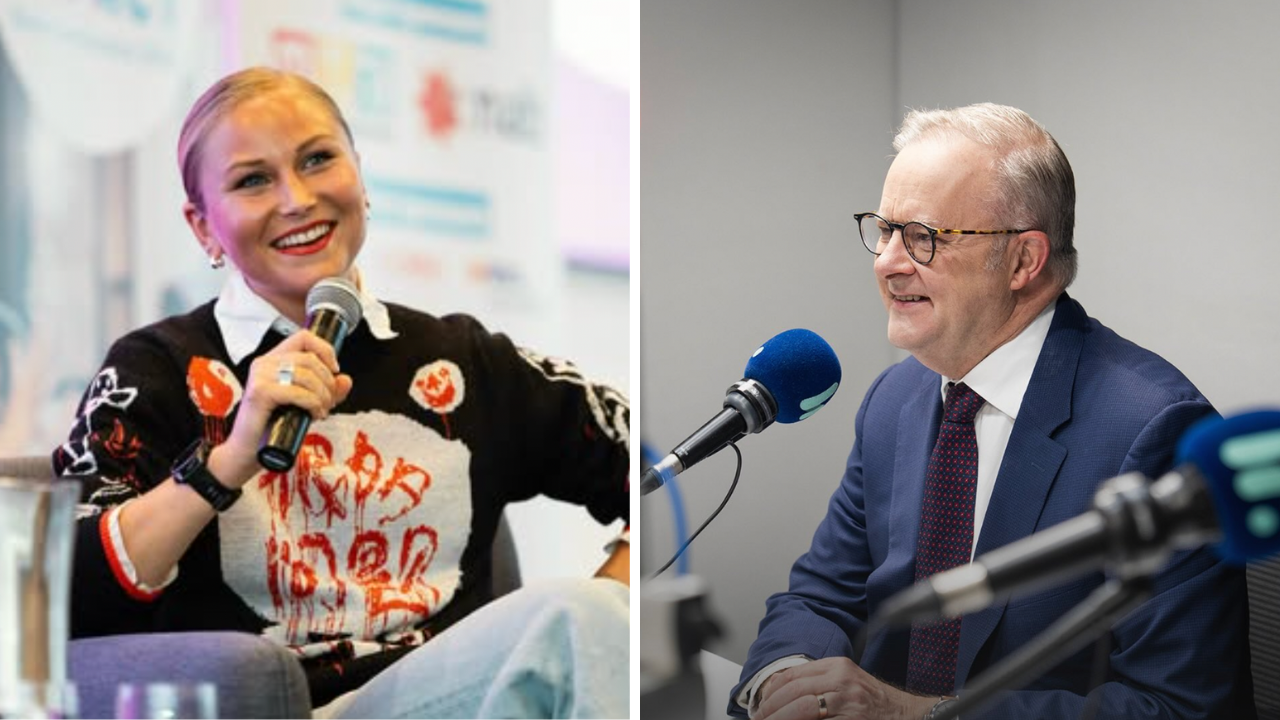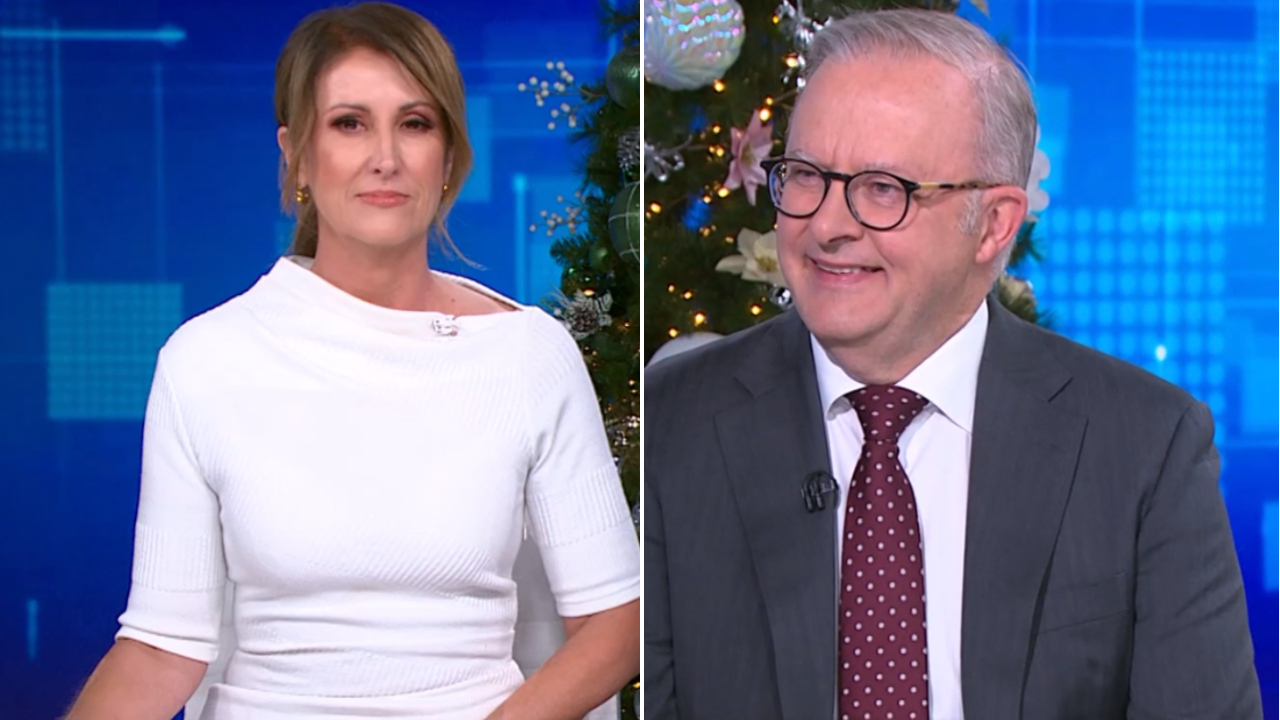
Prime Minister Anthony Albanese has acknowledged that his trip to meet U.S. President Donald Trump earlier this year cost taxpayers more than $100,000, as pressure mounts over the federal government’s travel and expenditure practices.
Speaking on Sunrise on Wednesday, Albanese was pressed by host Natalie Barr over recent revelations regarding Communications Minister Anika Wells, who has come under fire for using public funds to cover multiple personal and entertainment-related trips.
Wells is reported to have billed taxpayers $9000 for attending three AFL grand finals, $4000 for cricket-related events, $3000 for a ski trip, nearly $100,000 for flights to New York, and $27,000 for travel to Paris and Switzerland.
The disclosures have sparked renewed debate over what constitutes acceptable expenditure within parliamentary guidelines.
When questioned about the nearly $100,000 spent on Wells and two staffers travelling to New York, the Prime Minister acknowledged the public’s concerns but defended the nature of the travel.
“A trip to New York for two days is work, that’s not fun,” Albanese said.
He then referenced his own travel expenses to meet the former U.S. president.
“It would have cost more than $100,000 for me to fly to Washington to meet President Trump,” he said.
The broader issue of parliamentary spending has drawn significant scrutiny in recent months. Since the Albanese government took office in 2022, more than $4 million has been spent by MPs on family reunion travel entitlements. Lavish expenses including business-class flights and extended car hire periods have triggered criticism from taxpayers and calls for reform.
When asked directly whether Minister Wells’ expenditure represented appropriate use of taxpayer funds, Albanese said it was a rule that was “put in place by the former government,” he said.
Albanese stressed that parliamentary spending is managed independently of the government, noting that the Independent Parliamentary Expenses Authority (IPEA) is now reviewing Wells’ expenses.
“We have a different parliament today, even from when I was elected,” he said.
“I have a caucus that is 56 per cent female. Anika Wells gave birth to twins in office. We went through, in NSW, 83 years of electing a male – usually an Anglo-Celtic male – for every seat in every electorate for every party.”
Barr acknowledged the change was “fantastic” but quickly followed by relaying messages from viewers who remained unimpressed.
“I’m a nurse with NSW Health. That (Anika Wells) Comcar bill for $1,000 to wait eight, ten hours. That’s my weekly wage that I take home,” one said.
“I’m a pensioner. I can’t afford heating and cooling. And I’m looking at these politicians and it’s disgusting,” said another.
Another questioned why the Defence Force was not receiving the same treatment given they also spend extended periods away from their families.
“Politicians are not special,” a third commented.
Employment Minister Amanda Rishworth also defended the system on Sunrise, stating that the rules were established independently by the IPEA after major reforms in 2014–15.
“Politicians do spend a long time away from their family. We all have a responsibility to use taxpayers’ money sensibly and responsibly,” Rishworth said.
Barr pressed Rishworth on this comment, citing examples such as Commonwealth cars waiting for eight to 12 hours at costs exceeding $1,000, the provision of three business-class return airfares each year for every family member of an MP, and travel coinciding with personal celebrations and children’s sporting events.
“It is important everyone abides by the rules. It is important we all are very conscious that the funding that we use is taxpayers’ funding,” Rishworth said.
With many families facing increased financial pressure, Barr asked whether the minister believed the rules should be revised. Rishworth declined to give a direct view, stating she believes it is “right” that the rules are determined independently.
When questioned about whether $35,000 for a business-class return airfare – with two of her staff paying the same amount – was reasonable, Rishworth said the matter had been referred to the Independent Parliamentary Expenses Authority (IPEA).
Nationals Senate Leader Bridget McKenzie also acknowledged that while family reunion entitlements play a role in keeping political families connected – particularly for young women with children – MPs must not misuse the system.
McKenzie called for Communications Minister Anika Wells to step aside from her ministerial responsibilities while investigations into her expenses are underway.
“This all started with a very arrogant minister charging the taxpayer $190,000 for a six-minute speech in New York,” McKenzie said.
Referring to the government’s new social media ban for public servants, McKenzie argued that “we need a minister that’s focused on getting that right, not on going through her travel records”.
When questioned about whether the rules should be changed amid ongoing cost-of-living pressures, both ministers maintained that the independent authority overseeing expenses should continue to operate without political interference.
Albanese said the government consistently reviews policies relating to parliamentary spending and that this approach “would not change”.
Wells has referred her expenses to the Independent Parliamentary Expenses Authority (IPEA) for review, with all spending appearing to comply with existing rules.
Images: Sunrise