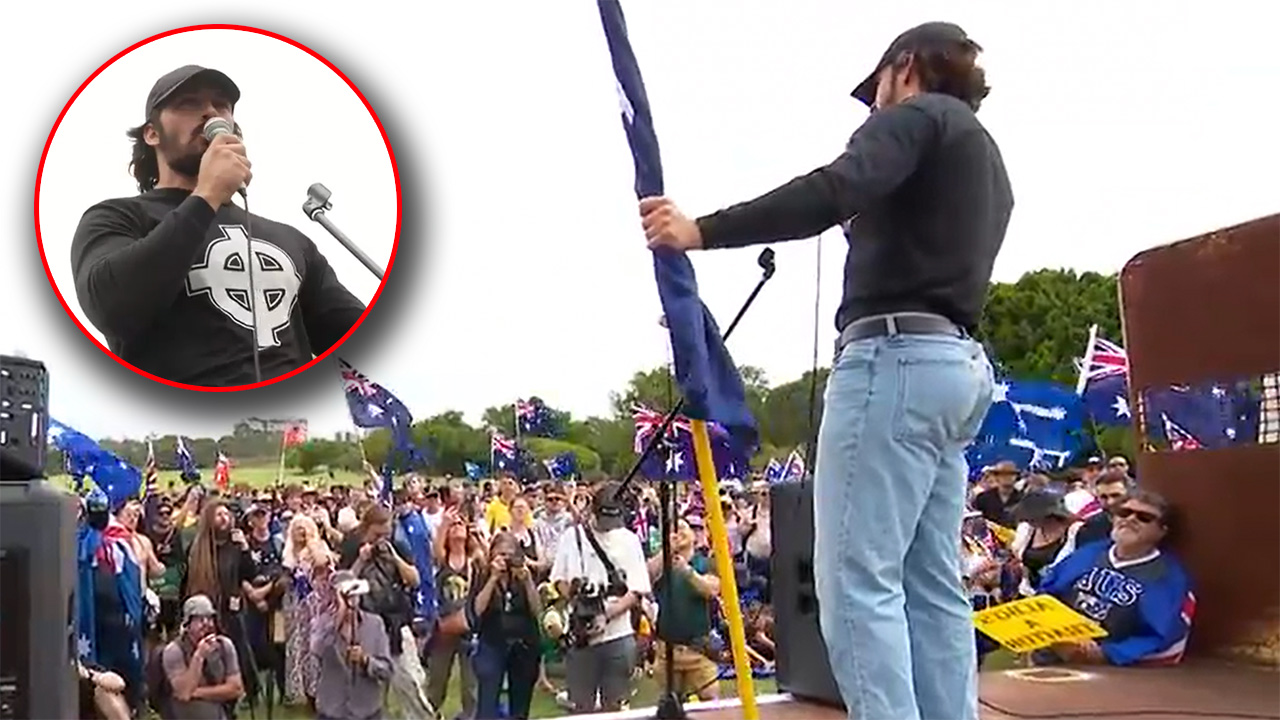
A man who publicly endorsed neo-Nazi ideology and delivered anti-Semitic remarks to an Australia Day rally crowd has been sentenced to a year in jail, with a magistrate condemning his conduct as deliberate and dangerous incitement.
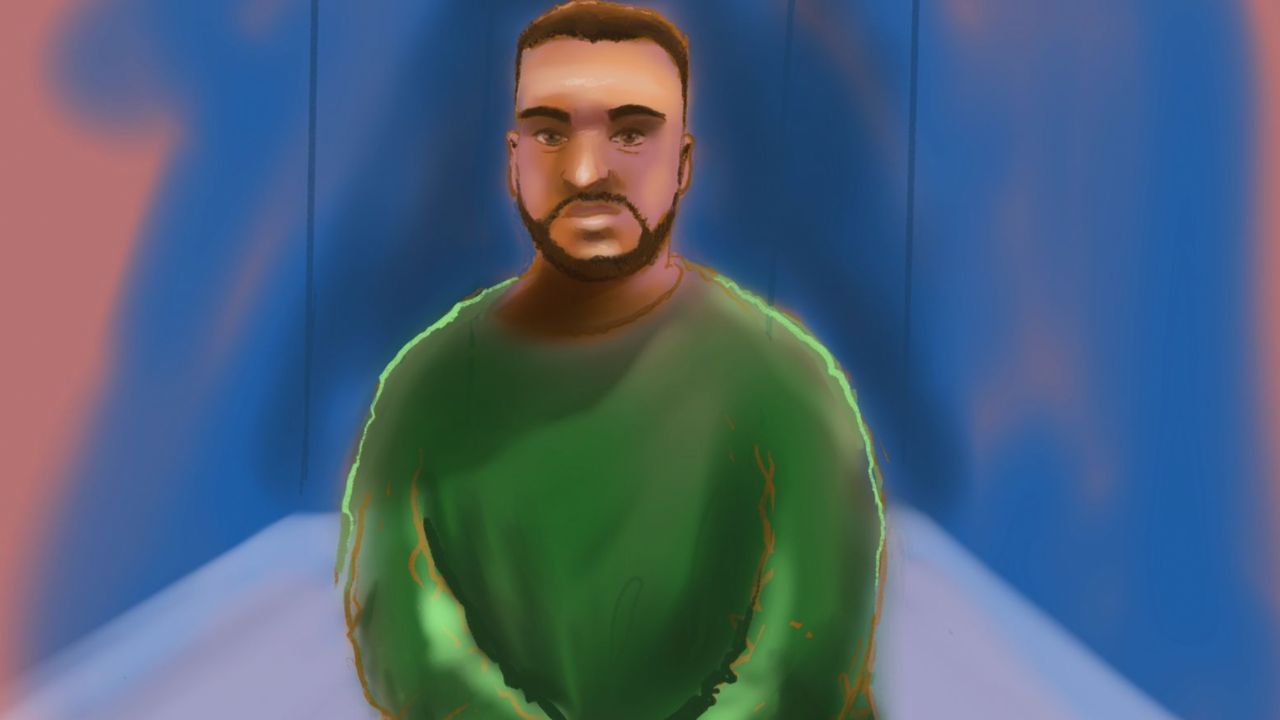
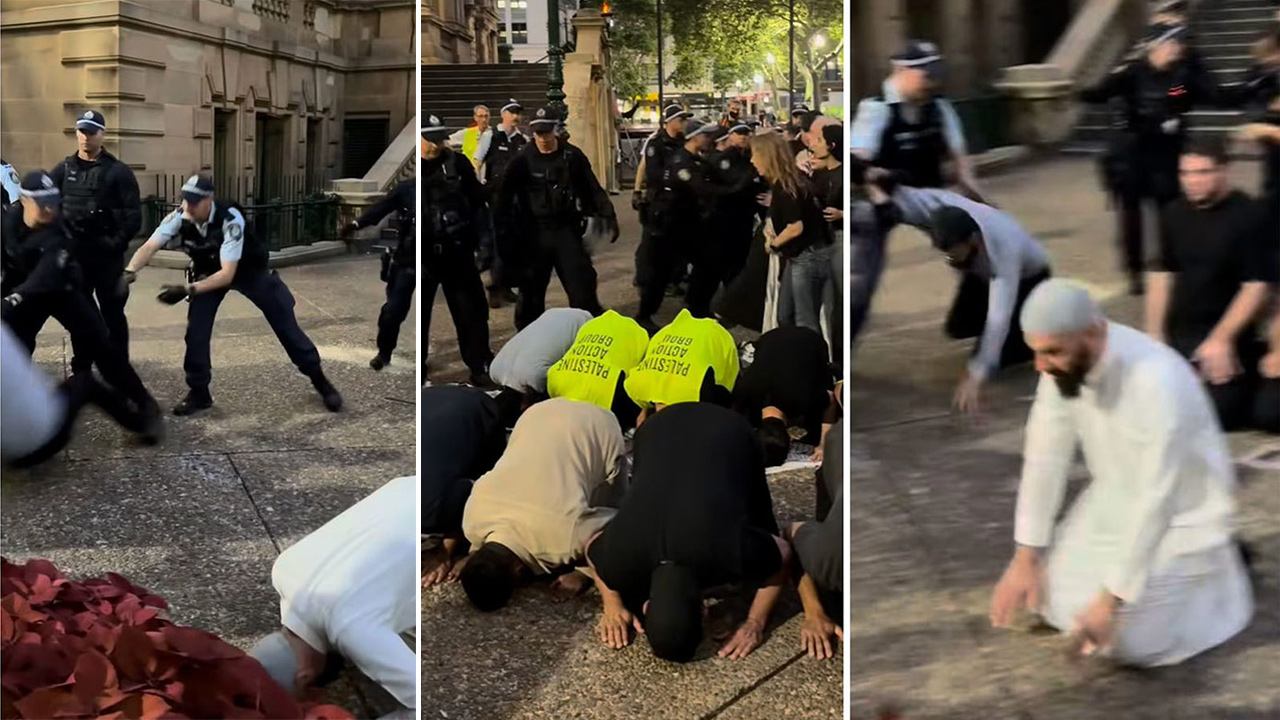
Brandan Koschel, 34, was arrested after addressing the March for Australia protest, which drew hundreds through Sydney’s city centre. At the conclusion of the rally, Koschel took the stage and delivered a brief speech endorsing neo-Nazi views before police moved in and detained him.
On Wednesday, the Downing Centre Local Court sentenced Koschel to 12 months’ imprisonment after he pleaded guilty to intentionally inciting hatred. Magistrate Sharon Freund said the 40-second speech was overtly anti-Semitic, noting Koschel twice described Jews as the “greatest enemy” and followed the remarks with neo-Nazi symbolism.
Freund said Koschel ended his address by “heiling” white Australia and Thomas Sewell, the former leader of Australia’s most prominent neo-Nazi group, the now-disbanded National Socialist Network. He also called for the release of jailed neo-Nazi lieutenant Joel Davis.
“He intended to incite hatred amongst the crowd he was addressing,” the magistrate said. “He intended to incite hatred against the Jewish community and Jews in general.”
In sentencing, Freund said the Jewish community was particularly vulnerable at the time, pointing to a recent uptick in anti-Semitic attacks and referencing the Bondi Beach massacre, which she noted had occurred just weeks earlier. That mass shooting, the court heard, took place six weeks before Koschel took the stage.
Koschel listened to the remarks from a cell at Shortland prison in the Hunter Valley, bowing his head and closing his eyes as the sentence was delivered. Freund said a strong response was required given the public nature of the offending and the symbolism of Australia Day.
“A clear sentencing response is required to convey that the invocation or normalisation of hatred directed at the Jewish people … will not be tolerated,” she said.
The court heard Koschel had shown no remorse, contrition or insight into his offending. However, his sentence was reduced due to an early guilty plea. He will be eligible for parole after serving a non-parole period of nine months, which expires on October 25.
Images: Nine News