At least 60 people may have already died this year from Australia’s early flu surge, with health experts warning the number is likely to increase as the season approaches.
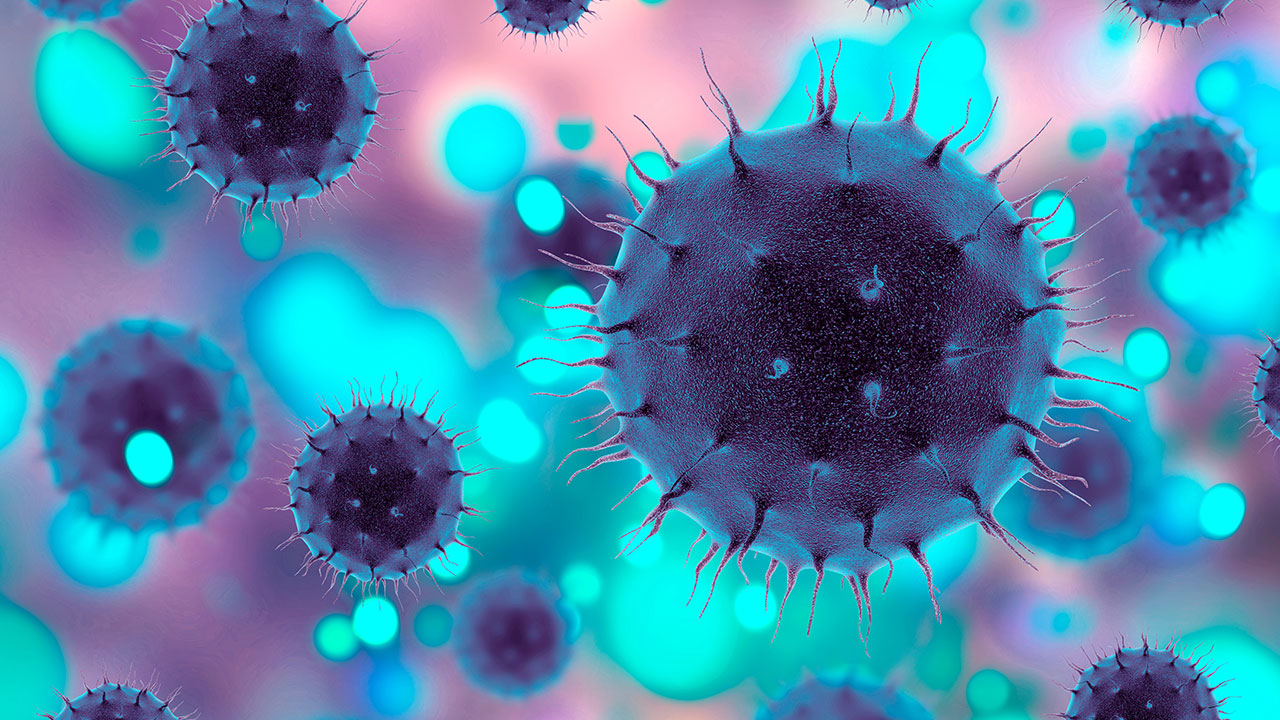
The concern is being driven by a new, highly mutated strain of influenza A (H3N2) known as “Super-K”. First detected in the United States in June, it was linked to the deaths of dozens of children and has now been confirmed in Australia.
More than 22,000 flu cases have been recorded nationally so far this year, according to the Australian Bureau of Statistics. In January alone, 63 deaths were reported, about double what would usually be expected for that month.
Mater Director of Infectious Diseases Paul Griffin believes the new variant is playing a major role in the unusually high death figures. “This is largely due to the Super-K variant, which is easily transmitted, and also due to low vaccination rates,” he said.

This year’s flu vaccines have been updated to better target the new strain ahead of the typical start of the flu season in April, but uptake has fallen. Around one in three Australians are getting a flu shot, compared with more than half before the COVID-19 pandemic.
People most at risk of severe illness, hospitalisation or death include older Australians, young children, pregnant women and those who are immunocompromised. Last year, only 25 per cent of children under five received a flu shot, and 60.5 per cent of people over 65 were vaccinated, the lowest rate in six years.
Lower vaccination rates have coincided with Australia’s deadliest flu season in a decade, with 1701 influenza deaths recorded last year, around 400 more than the national road toll.
Griffin is urging Australians to get vaccinated for flu, as well as COVID and RSV where recommended, noting that protection can take around two weeks to build. “Flu is a major public health threat, and everyone should have the annual vaccine, especially those who are most vulnerable and need the added protection it brings,” he said. “This year, we need to do better and get as many people vaccinated as possible, before more lives are lost unnecessarily.”