Today show host Karl Stefanovic has criticised the proposed road rule of reducing speed limits in response to rising fuel prices, sharing an alternative potential solution.
Speaking on his podcast, The Karl Stefanovic Show, Stefanovic said lowering speed limits by 10km/h to cut fuel consumption would not address the broader issue facing households.
“Somebody needs to come up with a plan,” he said. “Because people’s livelihoods are at stake.
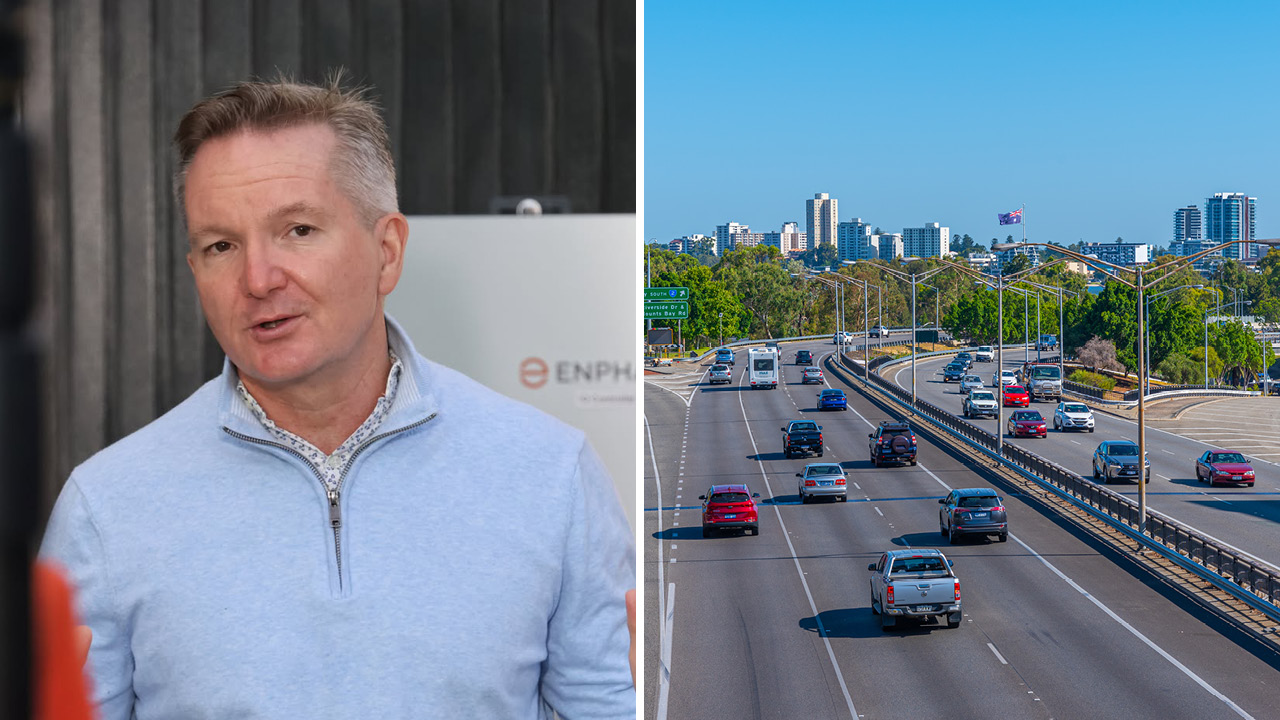
“They are recommending that speed limits on our roads come down by 10km/h to reduce overall oil use by cars by one to six per cent.
“They’re saying households should work from home where possible.
“The problem with that is, we went through all of this through Covid. But what happens to the small businesses that rely on foot traffic?
“The cities need to do their bit in allowing more fuel to go through to the country.
“Consuming less in the cities, it’s a big deal.
“So, here’s the suggestion: for the duration of all this from tomorrow onwards – free public transport.”
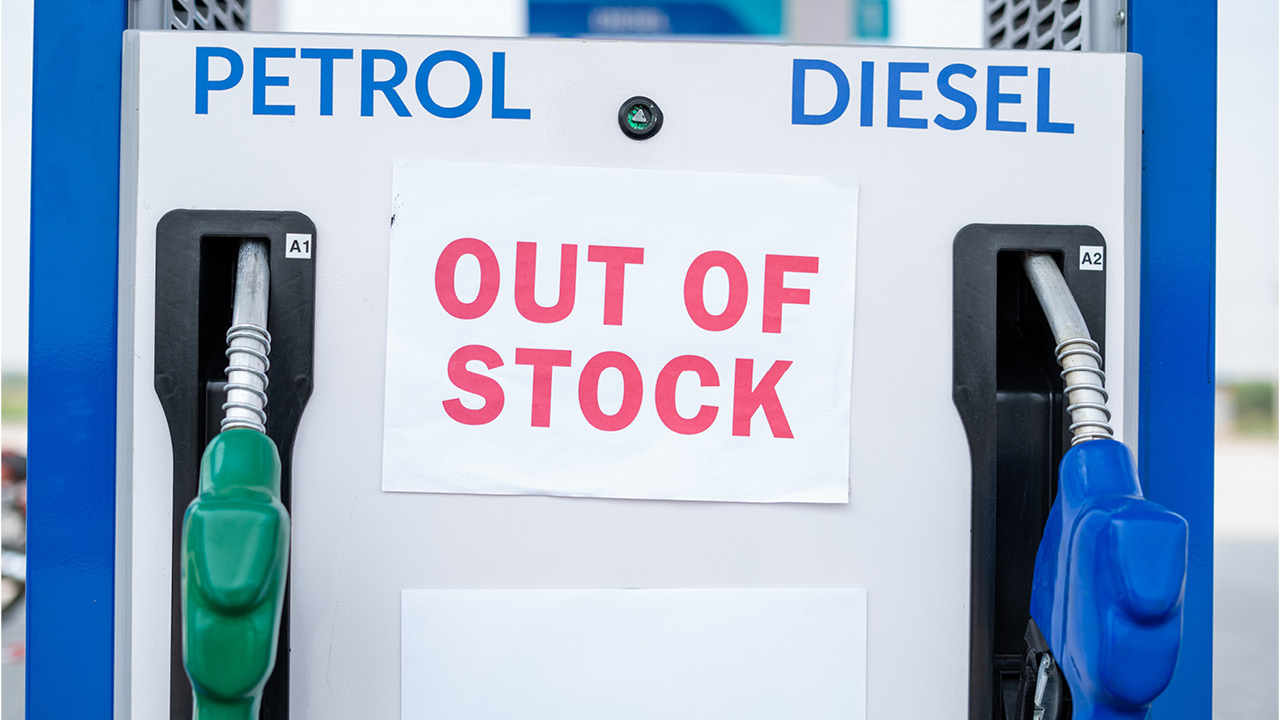
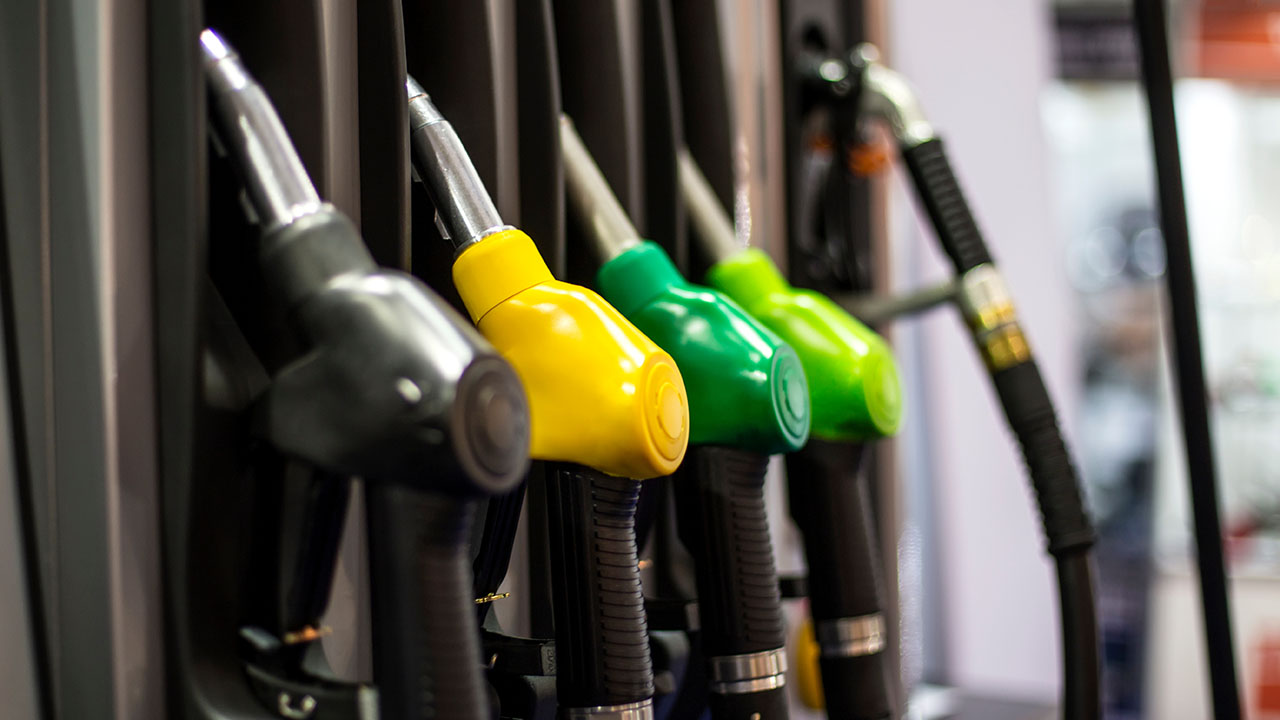
The comments come as Australia faces rising fuel and transport costs linked to the ongoing conflict in the Middle East.
The proposal is unlikely to gain support from state governments. In the ACT, a motion by the Canberra Liberals to introduce 50-cent public transport fares was voted down earlier this week.
NSW Premier Chris Minns said free public transport was not a practical solution, noting most travel costs were already covered by taxpayers.
“Seventy-five per cent of what it costs to take someone from Hurstville, for example, to the city is already covered by the taxpayer,” he told ABC Radio Sydney.
“Every dollar that we get from the fare box we pump back into public transport to provide more public transport.
“If we were to turn that off, even for a short period of time, it has an impact somewhere else in the system.”
Minns also rejected suggestions that work-from-home mandates would significantly reduce fuel use.
“Most of our employees are nurses, paramedics, police officers, firefighters. We just can’t issue that order and if we did, it would have a negligible effect in terms of fuel consumption,” he said.
However, another state has showed that cheaper fares can be done.
A six-month trial of 50-cent fares in Queensland last year has since been made permanent, with the government reporting public transport usage increased by about 20 per cent during the trial.
Image: Instagram