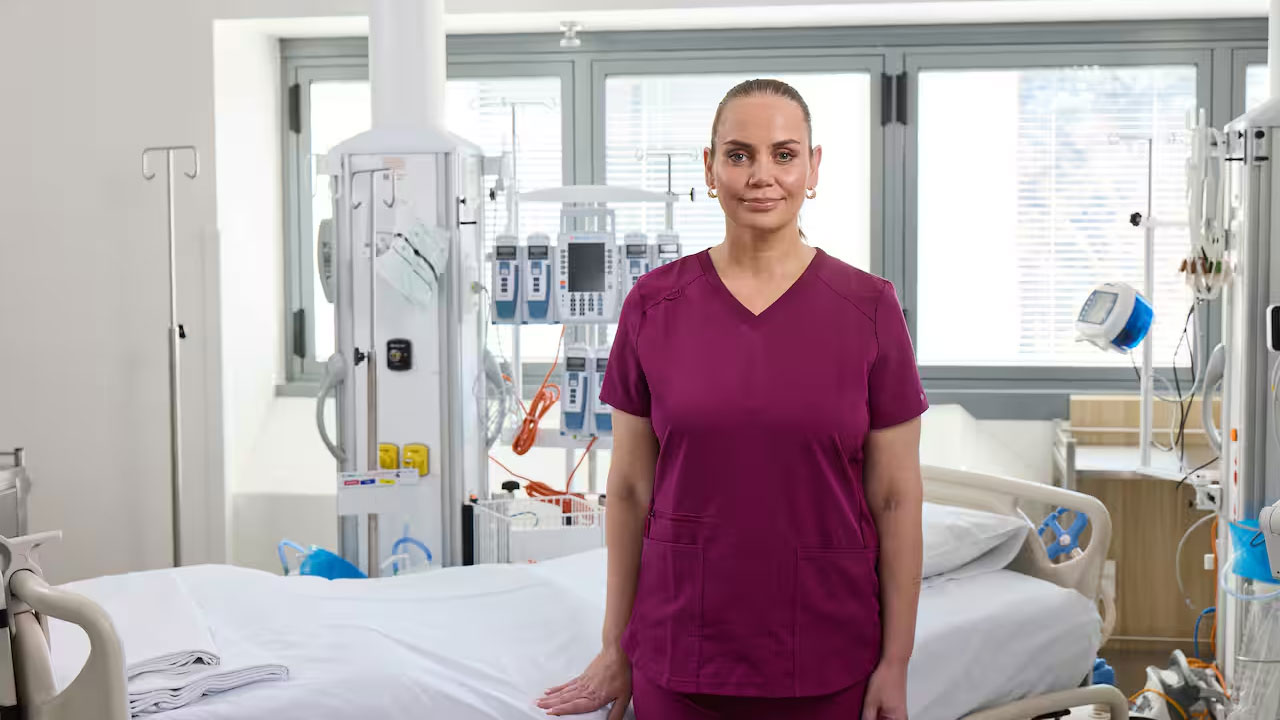
From arriving in Australia as a young Yugoslavian refugee to living through years of “brutal” physical and emotional abuse by her “toxic” father, Jelena Dokic has never hidden the difficult realities that have shaped her life. Now 42, the former tennis star says those experiences have also fuelled a determination to speak up for others facing their own battles.
“That’s what I would like to stand for, absolutely, with just speaking out and sharing my story,” Jelena says.
For Jelena, it’s about more than simply getting through the worst moments. “This was always not about just surviving but thriving, giving people hope that they can go on no matter what you experience. It can be different to domestic violence and child abuse, it can be different to mental health struggles – which I’ve had – and all these different things that you can still get through, and you can thrive, and you can even reinvent yourself.
“But also, you can do it with kindness and grace and dignity and generosity and wanting to help people.”
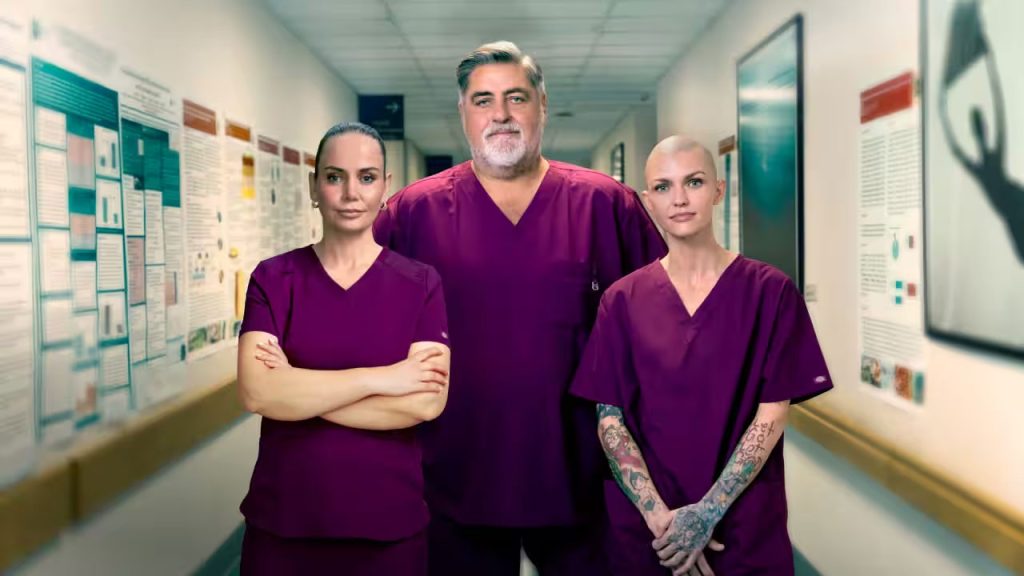
Her latest effort to do exactly that led her into the emergency department at St Vincent’s Hospital in Sydney, where she shadowed staff for season two of The Hospital: In The Deep End, witnessing first-hand the pressure on an overflowing and understaffed system.
Her diary was already packed when she was asked to take part, but she didn’t hesitate. “I said yes straight away. I barely had time, but I said, ‘It doesn’t matter, I’m going to make it work,’” Jelena says. “So I had no days off for about seven weeks just to be able to film this. I really wanted to just experience it myself and show people what happens behind the scenes of our healthcare system, and the amazing healthcare workers and doctors and nurses, which I really feel like we don’t show enough.
“It really makes you believe in the good out there in people because they do this job that is so hard and they have so much passion for doing it. They give 1000 per cent and save lives and you just want to give them more of what they need. We should be able to give these incredible heroes so much more.”
Jelena also knew the environment could be confronting. With her history of abuse at the hands of her late father, Damir, along with the intense public scrutiny and mental health challenges she has spoken about in the past, she was aware the ER could stir up old trauma.
“I was prepared to be there to help, but yeah, I knew it would be a possibility that I would be triggered,” she admits. “The DV part of it, of actually seeing victims come through the ER and then going on to work with social workers – things like that, I knew it would bring up emotions, but that’s OK. It’s something that I was willing to go through and take on, no problem, just in order for us to be able to show and help and do something else. That was the whole point.”