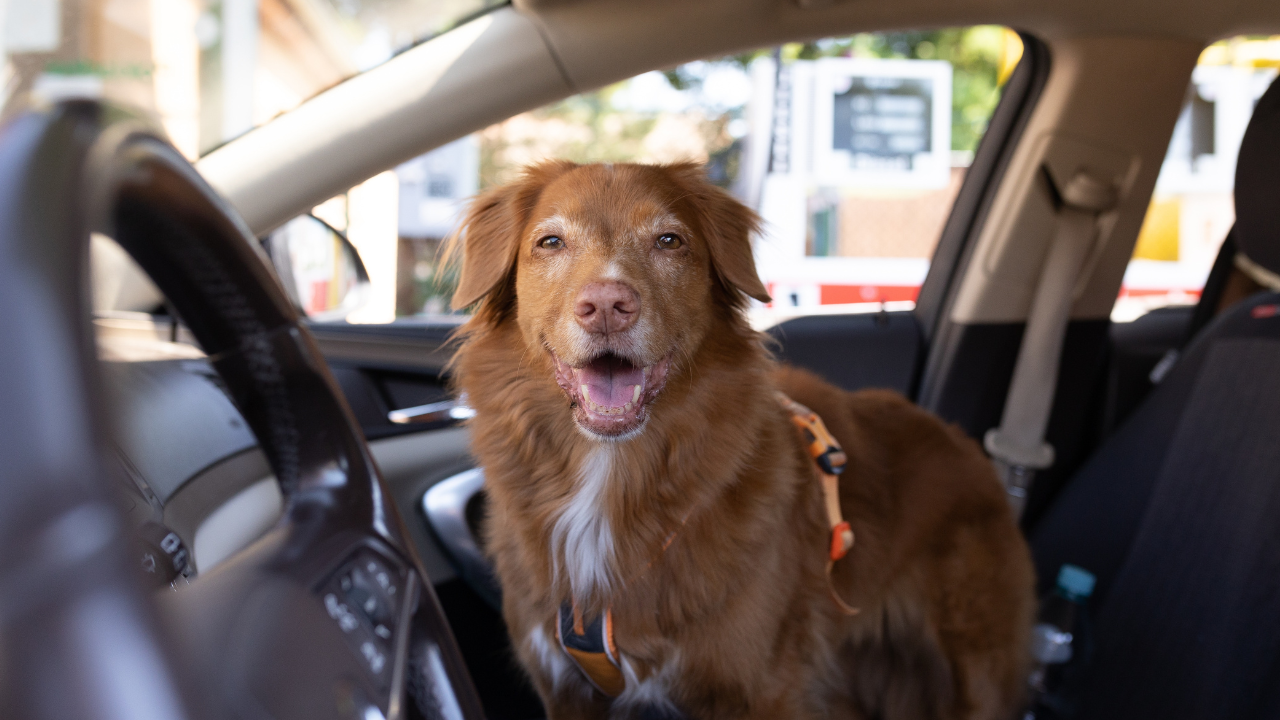
Proposed changes to New South Wales animal welfare laws could see owners jailed for leaving dogs locked in hot cars or using prong collars on their pets.
Under the proposals, offenders could be fined up to $44,000 and sentenced to a maximum of one year in prison, bringing penalties into line with other animal cruelty offences in the state.
The reforms would align NSW more closely with laws already in place in Western Australia and South Australia.
In WA, offenders can be fined up to $50,000 and jailed for up to five years, while similar fines apply in SA, where prison terms are capped at four years.
The proposed changes would also remove barriers for animal welfare inspectors to administer pain relief, allow authorised personnel to euthanise animals in emergency situations and make it an offence to possess illegal glue traps, which can ensnare native animals and cause slow, protracted deaths.
The proposals are expected to be introduced to state parliament in the first half of 2026 following consultations with key stakeholders.
“Leaving dogs in locked cars on hot days is not acceptable, and neither is the use of collars with prongs that spike into the necks of puppies and dogs,” NSW Agriculture Minister Tara Moriarty said.
“I’ve heard firsthand community views that put expectations on our government to take action and set these matters right.”
The reforms would also strengthen laws targeting animal fighting by addressing potential loopholes and supporting police efforts to investigate links to organised crime.
Those who facilitate animal fights could face fines of up to $110,000 and prison terms of up to two years.
NSW has already banned puppy farms, invested millions of dollars in animal welfare enforcement, and updated legislation to prevent people convicted of animal cruelty from keeping or breeding animals.
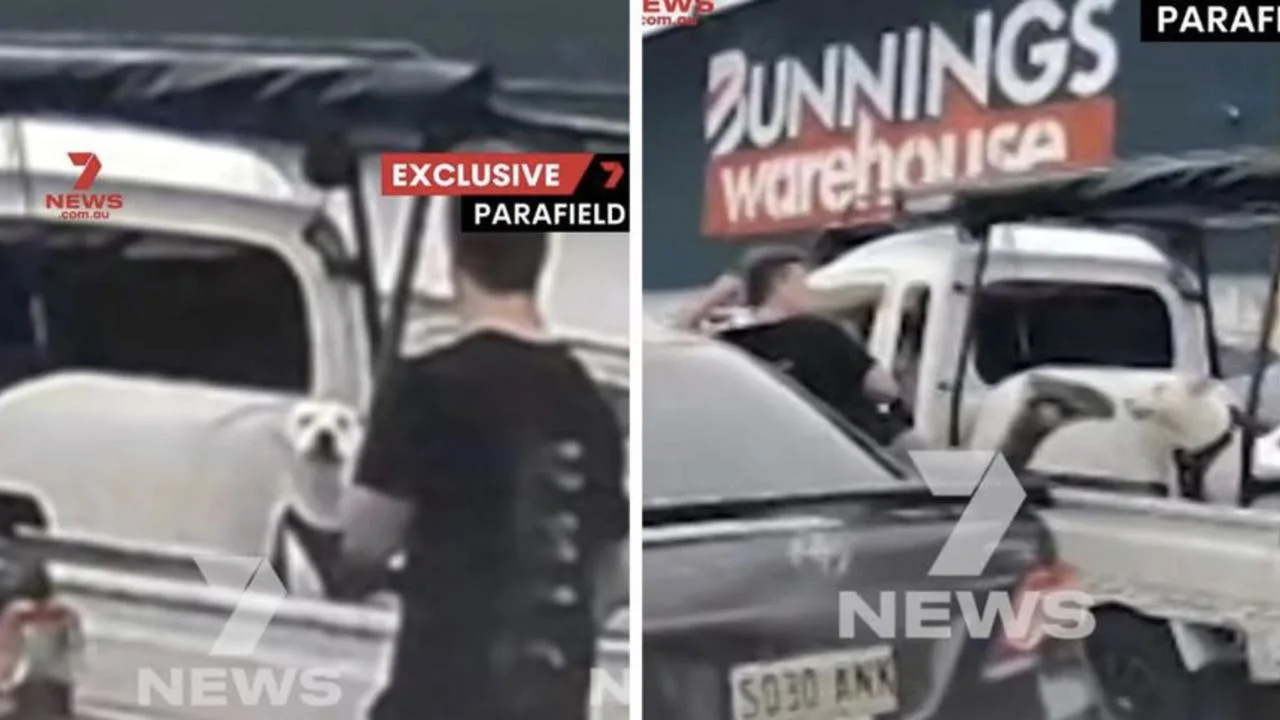
In the past six years, RSPCA NSW has received more than 500 reports of pets being left locked inside vehicles.
The organisation has warned that even mild weather conditions can lead to life-threatening temperatures inside cars.
Images: Shutterstock